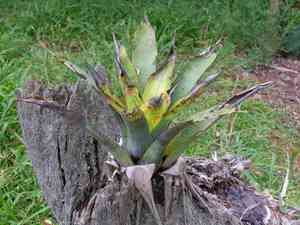
Vriesea gigantea (Vriesea gigantea)
Also known as: Giant Vriesea
Vriesea gigantea is a striking bromeliad known for its large, rosette-forming leaves with intricate, often variegated patterns. Native to Brazil, this plant is grown for its decorative foliage and tall flower spikes.
In This Article
Attributes of Vriesea gigantea
Lifespan
Perennial
Plant Height
90 - 120 cm
Spread
45-60 cm
Leaf Color
Green with Silver-grey bands
Flower Size
5-6 cm
Flower Color
Yellow and Red
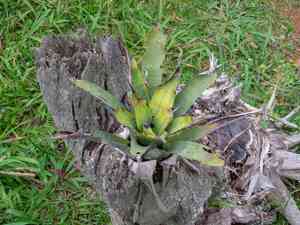
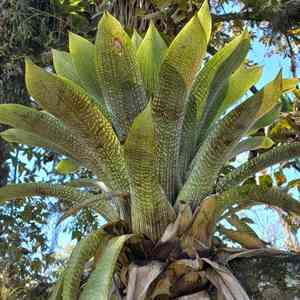
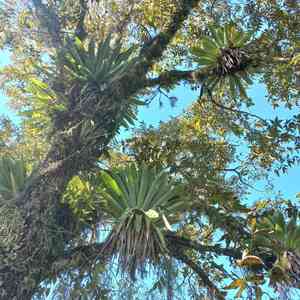
Images of Vriesea gigantea
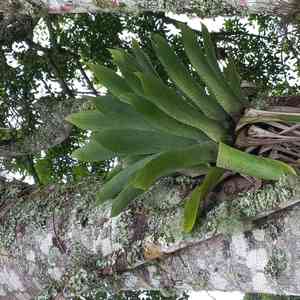
Quickly Identify Vriesea gigantea
1
It can be identified by its large rosette of broad, flat, leathery leaves, often with banded or mottled patterns. The flower spike is tall, usually yellow to orange, emerging from the center of the rosette.
Scientific Classification of Vriesea gigantea
Phylum
Magnoliophyta
Class
Liliopsida
Order
Poales
Family
Bromeliaceae
Genus
Vriesea
Planting and Growing of Vriesea gigantea
Care Difficulty
Moderate
Watering Schedule
Every 3 days
Sunlight Requirements
Partial sun
Sunshine Duration
6-10 hours
Ideal Temperature
65-75℉
Soil Type
Potting Mix, Peat Mix
Soil pH
6-7.5
Fertilizer Type
Balanced
Pruning Season
Spring, Summer
Pruning Area
Branches, Leaves
Pruning Frequency
2 times a year
Repotting Season
Spring
Pot Type
Plastic, Ceramic
 How to Water Vriesea gigantea?
For Vriesea gigantea, you should ensure the soil is thoroughly soaked during each watering session, but be careful not to let water accumulate at the bottom of the pot. The general rule of thumb is to water until you start to see water seeping out of the drainage holes. This typically equates to about 250 ml of water per session, ensuring the soil is moist but not soggy.
What are the symptoms of an underwatered Vriesea gigantea?
›
What should I do if my Vriesea gigantea is not getting enough water?
›
What are the symptoms of an overwatered Vriesea gigantea?
›
How to save an overwatered Vriesea gigantea?
›
 What Are the Sunlight Requirements for Vriesea gigantea?
Partial sun or full shade is ideal for Vriesea gigantea. Adequate light helps the plant maintain its vibrant color and supports optimal growth and flowering, ensuring a healthy plant overall.
What is the ideal sun exposure for Vriesea gigantea?
›
How can you achieve ideal light conditions for Vriesea gigantea?
›
What are the benefits of ideal lighting conditions for Vriesea gigantea?
›
 What Is the Ideal Temperature Range for Vriesea gigantea?
Vriesea gigantea thrives in temperatures ranging from 65°F to 75°F, which provides optimal conditions for its metabolism and growth. Within this range, the plant maintains efficient photosynthesis and absorbs nutrients effectively, ensuring vibrant foliage and healthy development.
 What Soil is Best for Vriesea gigantea?
Vriesea gigantea thrives in soil with excellent drainage to prevent root rot. Having well-drained soil ensures that water moves efficiently, allowing roots to breathe and reducing the risk of overwatering. Ideal drainage keeps the plant healthy and vibrant. This plant flourishes in a nutrient-rich substrate, which facilitates robust growth and vibrant foliage. Providing a balance of nutrients in the soil supports consistent development and boosts the plant's resilience to diseases. Maintaining adequate moisture in the soil is crucial for Vriesea gigantea, as it mimics its natural rainforest habitat. A soil mix that holds moisture without becoming waterlogged ensures that the plant remains hydrated, promoting lush leaf growth.
 How to Fertilize Vriesea gigantea?
Vriesea gigantea thrives best with minimal fertilization. When using liquid fertilizers, dilute to one-quarter the recommended strength to avoid leaf burn and nutrient overload.
 How to Prune Vriesea gigantea?
Begin pruning by examining the plant for any dead or discolored leaves. Use sharp, clean scissors to cut these leaves off at the base, taking care not to damage the healthy leaves. Next, remove any spent flower spikes close to the rosette. This encourages new growth and keeps the plant looking tidy. Always sanitize your tools before and after pruning to prevent disease spread.
More About Pruning Techniques→
 How to Propagate Vriesea gigantea plant?
1
Ensure the parent plant is healthy and well-hydrated before attempting division. This enhances its capacity to withstand the stress of propagation and increases the success rate of new growth.
2
Gently remove the plant from its pot and carefully separate offsets from the mother plant using a sharp knife, making sure each division has its own root system. Handle the roots gently to avoid unnecessary damage.
3
Plant the divisions into individual pots filled with sterilized potting mix. Ensure each division is planted at the same depth as it was originally growing, and lightly water to settle the soil.
 How to Repot Vriesea gigantea plant?
1
Repot Vriesea gigantea when you notice roots crowding the pot or waterlogging issues. It's also advisable to repot if the soil has become exhausted or if you observe stunted growth, indicating the plant needs fresh nutrients.
2
Select a pot that is 2-3 inches wider than the current one. Ensure it has drainage holes to prevent water accumulation, which can cause root rot. A slightly larger pot allows for healthy growth without overwhelming the roots.
3
Use a well-draining bromeliad mix, which should consist of orchid bark, perlite, and peat moss. This mix provides proper aeration, mimicking the plant's natural habitat and preventing root suffocation.



