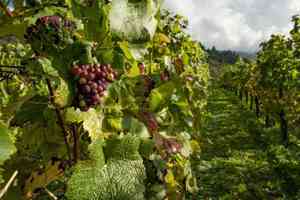
Wine grape(Vitis vinifera)

Wine grape (Vitis vinifera)

Also known as: European grape

Wine grapes (Vitis vinifera) are a type of woody vine cultivated for thousands of years for various uses, especially winemaking. The oldest known domesticated wine grapes have been found in modern-day Georgia, with carbon dating indicating their origins date back to 6000 BC. Besides wine production, these grapes are also consumed as fresh fruit, raisins, and currants.

Attributes of Wine grape

Lifespan
Perennial
Plant Type
Vine
Plant Height
32 m
Spread
4 m
Leaf Color
Green
Flower Size
2.5 cm
Flower Color
Green Yellow

ForwardPlant - Identify plants with a snap

Identify and diagnose plants, get toxicity alerts, and explore safety guides for all types of fungi.

Try for Free

Images of Wine grape

Wine grape(Vitis vinifera)

Quickly Identify Wine grape

1
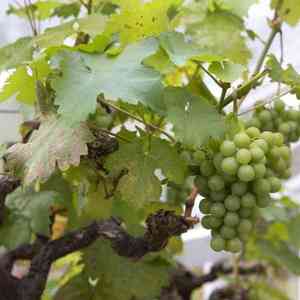
Heart-shaped leaves with serrated margins, 5-7 inches (12-18 cm) wide.
2
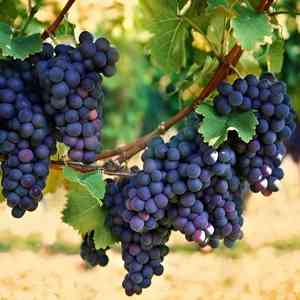
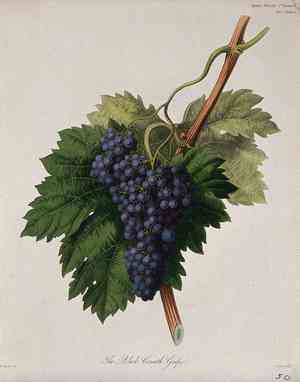
Clusters of tiny, green to purple berries with distinct tendrils for climbing.
3
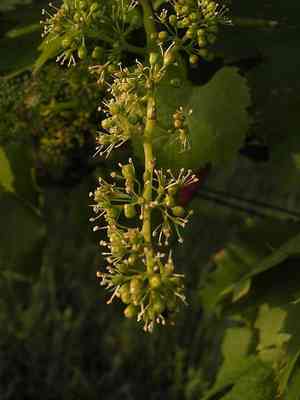
Pendulous, non-showy flowers in dense thryses, emit a sweet fragrance.
4
Oval-shaped berries with a frosted appearance, varying in colors and flavors.
5
Woody stem, 0.5-1.5 inches (1.2-3.8 cm) thick, with a rough, gnarled texture.

Scientific Classification of Wine grape

Phylum
Vascular plants
Class
Dicotyledons
Order
Vitales
Family
Grape
Genus
Grapevines
Species
Wine grape

Planting and Growing of Wine grape

Care Difficulty
Hard
Watering Schedule
Every 2 days
Sunlight Requirements
Full sun
Sunshine Duration
6-10 hours
Ideal Temperature
68-86℉
Soil Type
Potting Mix, Peat Mix
Soil pH
6.5-7.5
Fertilizer Type
Balanced
Pruning Season
Spring, Summer
Pruning Area
Branches, Leaves
Pruning Frequency
2 times a year
Repotting Season
Spring
Pot Type
Ceramic, Plastic

water icon How to Water Wine grape?

Vitis vinifera, commonly known as grapevine, requires a thoughtful approach to watering. Water deeply to ensure moisture reaches the root zone but avoid oversaturation. The soil should feel moist to the touch but not soggy; aim for about 700 ml each time.
What are the symptoms of an underwatered Wine grape?
What should I do if my Wine grape is not getting enough water?
What are the symptoms of an overwatered Wine grape?
How to save an overwatered Wine grape?
More About Watering Techniques

sunlight icon What Are the Sunlight Requirements for Wine grape?

Sunlight Requirements: Full sun
Duration of light: 6-8 hours daily
Vitis vinifera thrives in full sun conditions, requiring 6-8 hours of sunlight per day. This optimal exposure boosts photosynthesis, improving vine health and grape quality.
What is the ideal lighting condition for Vitis vinifera?
How can one achieve the ideal lighting condition?
What are the benefits of ideal lighting for this plant?
More About Sunlight Requirements Techniques

temperature icon What Is the Ideal Temperature Range for Wine grape?

Ideal Temperature: 68 ~ 86℉
Vitis vinifera, commonly known as the wine grape, thrives within a specific range of temperatures for optimal growth and fruit production. The ideal temperature range for this plant lies between 68°F and 86°F. During this range, the grapevine can photosynthesize efficiently, leading to healthy growth and the development of high-quality fruit. Temperatures within this range also support the microbial activities in the soil, essential for nutrient uptake.

soil icon What Soil is Best for Wine grape?

Soil type: Loam, Calcareous soil, Sandy loam
Soil PH: 6.5 ~ 7.5
Vitis vinifera thrives in well-drained soil, which prevents waterlogging and root rot. Proper drainage ensures that the roots receive essential oxygen and nutrients, promoting healthy growth and fruit production. This plant benefits from soil with moderate fertility. While it doesn't require overly rich soil, some organic matter helps in providing the necessary nutrients, contributing to balanced growth and improved grape quality. Maintaining consistent soil moisture is crucial. While the soil should not remain waterlogged, it should be kept evenly moist, especially during the dry seasons, to support vigorous growth and prevent stress on the plant. More About Soil

fertilize icon How to Fertilize Wine grape?

Fertilizer type: Balanced
When fertilizing Vitis vinifera, it's essential to ensure balanced nutrition by applying approximately 1 pound of 10-10-10 NPK fertilizer per vine per year. This amount supports vigorous growth, fruit development, and general health. More About Fertilizing Techniques

prune icon How to Prune Wine grape?

Pruning Time: Spring, Summer, Winter
Start by removing any dead or diseased wood. This helps in reducing disease pressure and allows the plant to focus energy on healthy growth. Trim back to a healthy bud, which should point in the direction you want new growth. Typically, the first 2-3 buds are the most vigorous and promising. Prune to control the size and shape of the plant, encouraging upward growth while allowing space for air and light penetration. This balance supports fruitful harvests. During summer, perform minor trimming to remove any excess growth that shades fruit, allowing sunlight to reach grape clusters and promote ripening.

propagate icon How to Propagate Wine grape plant?

Propagate Time: Spring,Late spring,Early spring,Summer,Early summer
1
Select healthy vines and cut them into segments about 8-12 inches long, each with at least two nodes. Use sterilized pruning shears to prevent disease transmission.
2
Dip the cut ends into rooting hormone to promote root growth. Plant them in a pot with well-draining soil, ensuring the nodes are buried to encourage rooting.
3
For grafting, ensure both the rootstock and scion are dormant. Use a whip or cleft graft technique, aligning the vascular cambium layers perfectly to ensure nutrient and water flow.
More About Propagating Techniques

repot icon How to Repot Wine grape plant?

Repotting frequency: Every 2-3 years
1
Vitis vinifera should be repotted when you observe the roots growing out of the drainage holes or the plant is becoming pot-bound. Spring and autumn offer ideal conditions for repotting as the plant is not under extreme stress from weather changes.
2
Select a pot that is 2-4 inches larger in diameter and has good drainage holes. This allows room for growth and helps prevent waterlogging, which can lead to root rot. A choice of clay or ceramic pots is beneficial as they allow the soil to breathe.
3
Choose a loamy, well-drained soil mix. Adding perlite or sand enhances drainage, which is vital for preventing waterlogging and root rot. Good soil structure supports root development and nutrient uptake.

ForwardPlant - Identify plants with a snap

Find the best spots for them to optimize their health, simply using your phone.

Try for Free

Toxicity of Wine grape

Is Wine grape toxic to cat?

The wine grape presents a moderate toxicity threat to cats. Cats may experience poisoning if they consume the wine grape fruits, which can result in signs of discomfort or health issues. It is crucial for cat owners to remain alert and keep their pets away from these fruits to prevent any accidental ingestion. If a cat ingests any portion of a wine grape, it is vital to obtain immediate veterinary assistance to secure the best potential outcome for the pet's wellbeing.

Is Wine grape toxic to dog?

The plant species known as wine grape presents a moderate level of toxicity risk for dogs, particularly when its berries are consumed. When dogs ingest the fruit of the wine grape, they can experience poisoning, which may manifest as various symptoms indicative of toxicity. Pet owners should be alert for signs such as vomiting, diarrhea, abdominal discomfort, or more serious symptoms that could suggest a toxic reaction in their furry friends. If a dog shows any of these symptoms after eating parts of the wine grape, it is crucial to obtain prompt veterinary assistance to secure the most favorable outcome for the affected pet.

Identify toxic plants for your safety

Learn which plants are harmful to you and your pets, and make informed choices for a safer home!

Try for Free
WARNING
The judgment on toxicity and danger is for reference only. We DO NOT GUARANTEE any accuracy of such judgment. Therefore, you SHALL NOT rely on such judgment. It is IMPORTANT TO SEEK PROFESSIONAL ADVICE in advance when necessary.
More About Toxic Techniques