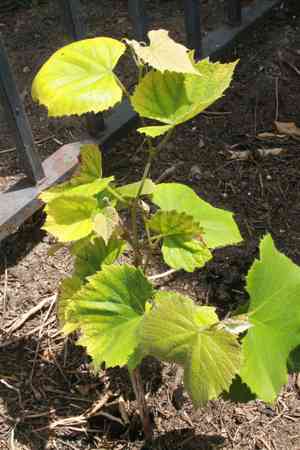
Amur grape (Vitis amurensis)
Also known as: Wine grape, Amur River Grape
The buckthorn is a resilient deciduous shrub that thrives in moist soil. It blooms in late spring to early summer and produces berries that birds find very appealing. Additionally, its leaves are capable of producing a yellow dye.
In This Article
Attributes of Amur grape
Lifespan
Perennial
Plant Type
Vine, Shrub
Plant Height
6 m to 9 m
Spread
60 cm
Leaf Color
Green Blue
Flower Size
5 cm to 13 cm
Flower Color
Yellow Green
Images of Amur grape
Quickly Identify Amur grape
1
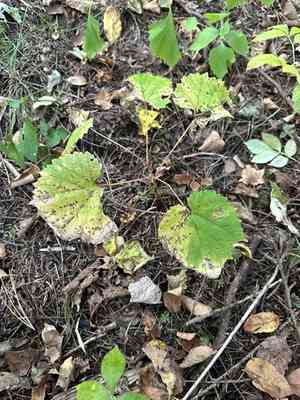
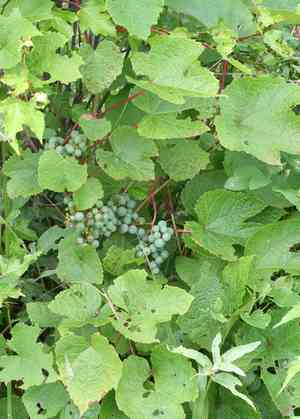
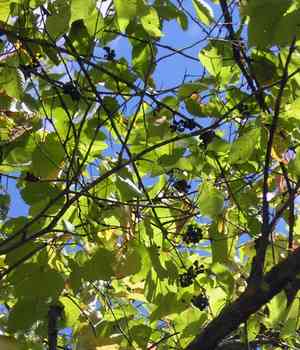
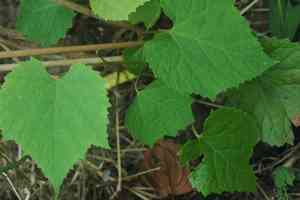
Amur grape can be recognized by its deeply lobed leaves with serrated edges, which turn a striking red or purple in the fall. Its flowers are small and greenish, while the fruit is typically a dark blue or purple berry.
Scientific Classification of Amur grape
Phylum
Vascular plants
Class
Dicotyledons
Order
Vitales
Family
Grape
Genus
Grapevines
Species
Amur grape
Planting and Growing of Amur grape
Care Difficulty
Easy
Watering Schedule
Every 4 days
Sunlight Requirements
Full sun
Sunshine Duration
4-6 hours
Ideal Temperature
60-77℉
Soil Type
Potting Mix, Peat Mix
Soil pH
5.5-7.5
Fertilizer Type
Balanced
Pruning Season
Spring, Summer
Pruning Area
Branches, Leaves
Pruning Frequency
2 times a year
Repotting Season
Spring
Pot Type
Plastic, Ceramic
 How to Water Amur grape?
Vitis amurensis, or the Amur grape, thrives with a watering approach that balances between keeping the soil moist but not waterlogged. Each watering session should involve about 500 ml of water, ensuring that the soil is evenly dampened but never soggy.
What are the symptoms of an underwatered Amur grape?
›
What should I do if my Amur grape is not getting enough water?
›
What are the symptoms of an overwatered Amur grape?
›
How to save an overwatered Amur grape?
›
 What Are the Sunlight Requirements for Amur grape?
Vitis amurensis prefers environments with full to partial sun exposure, ideally receiving 6 to 8 hours of sunlight daily. Such exposure facilitates robust growth, vibrant foliage, and optimized fruiting potential.
More About Sunlight Requirements Techniques→
How much sunlight does Vitis amurensis need daily?
›
What solutions ensure optimal light for Vitis amurensis?
›
What are the benefits of ideal lighting for this plant?
›
 What Is the Ideal Temperature Range for Amur grape?
For optimal growth, Vitis amurensis requires a temperature range between 60°F and 77°F. This allows the plant to effectively carry out photosynthesis, maximize nutrient absorption, and maintain vigorous growth without stress.
 What Soil is Best for Amur grape?
The soil must have excellent drainage capabilities to prevent waterlogging, which can lead to root rot. Vitis amurensis thrives in well-draining loamy soils that allow excess water to escape quickly, ensuring healthy root development. Rich loamy soils provide the essential nutrients needed for the vigorous growth and development of this grape species. Regularly replenishing the soil with organic matter like compost can enhance nutrient availability, promoting robust vine health. Maintaining a soil pH between 5.5 and 7.5 is crucial as it optimizes nutrient uptake, boosts plant growth, and enhances overall vine health. Slightly acidic soils contribute to better absorption of key minerals essential for vine vitality.
 How to Fertilize Amur grape?
Vitis amurensis prefers a balanced approach to fertilization. For liquid fertilizers, use a diluted solution at half the recommended strength to prevent nutrient burn. Approximately 10-20 ml per plant is usually sufficient.
 How to Prune Amur grape?
Shape your Vitis amurensis to allow good air circulation and sunlight reach by cutting back excess outer growth and thin out crowded branches. Focus on pruning to encourage the growth of fruiting wood. This often involves cutting back older branches to make way for new, productive shoots. Remove any inward-growing branches to prevent a tangled mess which can restrict growth vigor and reduce fruiting potential.
 How to Propagate Amur grape plant?
1
Choose healthy vine sections that are free of disease for your cuttings. Cut sections about 6-8 inches long, ensuring each has at least two nodes. Remove any leaves from the bottom half to focus energy on root development.
2
Collect seeds from healthy fruit and clean them thoroughly. Plant the seeds in a well-draining potting mix and cover lightly with soil. Keep the soil moist and warm during germination.
3
Select a low-growing vine section. Bend it to the ground and cover a section of the vine with soil, leaving the end exposed. Roots will develop at this covered section, eventually allowing separation as a new plant.
 How to Repot Amur grape plant?
1
Look for signs like roots emerging from drainage holes or soil that dries out quickly. The best time to repot Vitis amurensis is early spring or autumn when the plant is not actively growing, as it minimizes stress and maximizes recovery.
2
Select a pot that's 1-2 inches larger in diameter than the current one and has adequate drainage holes. A slightly larger pot allows for root expansion without risking waterlogging. Materials like terracotta are ideal as they permit root aeration.
3
Opt for a loamy, well-draining soil mix rich in organic matter. This type of soil provides optimal nutrient absorption and prevents root rot, ensuring healthy growth and development of your Vitis amurensis.



