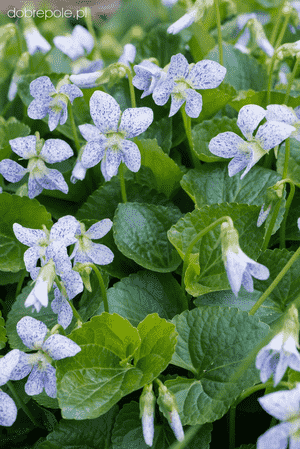
Common blue violet (Viola sororia)
Also known as: Common meadow violet, Hooded violet
The Common Blue Violet (Viola sororia) is a charming wildflower that features blue to purplish white blooms. Widely found across North America, it is sometimes considered a weed but is also valued as an ornamental plant. Notably, it is the state flower for several US states. The flowers and leaves are edible, making it safe to plant near pets.
In This Article
Attributes of Common blue violet
Lifespan
Perennial, Annual
Plant Type
Herb
Plant Height
5 cm to 50 cm
Spread
15 cm to 25 cm
Leaf Color
Green
Flower Size
1.8 cm
Flower Color
Purple White Blue Pink Lavender Violet
Images of Common blue violet
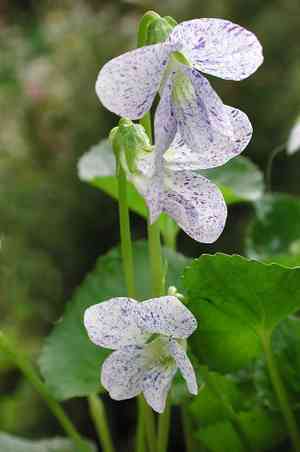
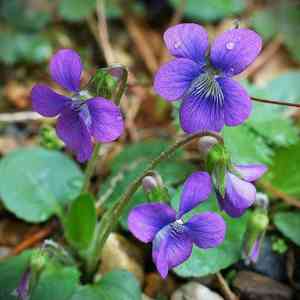
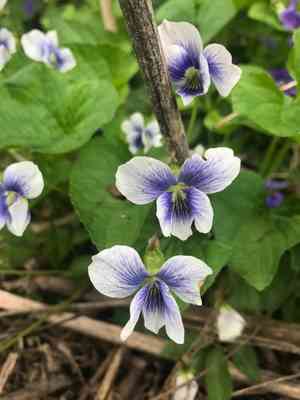
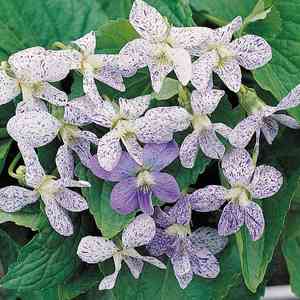
Quickly Identify Common blue violet
1
Heart-shaped leaves up to 4 inches (10 cm) across, yellowish-green with serrated edges.
2
Iconic five-petaled flowers in varying purple hues, with unique symmetrical structure.
3
Rhizomatous stems, slender and pale brown, key for vegetative reproduction and clumping habit.
Scientific Classification of Common blue violet
Phylum
Vascular plants
Class
Dicotyledons
Order
Nances, spurges, willows and allies
Family
Violet
Genus
Violets
Species
Common blue violet
Planting and Growing of Common blue violet
Care Difficulty
Easy
Watering Schedule
Every 4 days
Sunlight Requirements
Partial sun
Sunshine Duration
6-10 hours
Ideal Temperature
60-75℉
Soil Type
Potting Mix, Peat Mix
Soil pH
6.5-7.5
Fertilizer Type
Balanced
Pruning Season
Spring, Summer
Pruning Area
Branches, Leaves
Pruning Frequency
2 times a year
Repotting Season
Spring
Pot Type
Plastic, Ceramic
 How to Water Common blue violet?
When watering Viola sororia, aim to moisten the soil to a depth of about 2 inches. This usually requires around 200 milliliters of water per session. Ensure not to leave the soil soggy; it should feel moist but not overly wet.
More About Watering Techniques→
What are the symptoms of an underwatered Common blue violet?
›
What should I do if my Common blue violet is not getting enough water?
›
What are the symptoms of an overwatered Common blue violet?
›
How to save an overwatered Common blue violet?
›
 What Are the Sunlight Requirements for Common blue violet?
Partial sun ensures balanced growth, maintaining lush foliage and vibrant flowers. Too much sun risks leaf scorch, while too little stunts growth.
More About Sunlight Requirements Techniques→
How much light does Viola sororia need?
›
What is the best way to provide ideal lighting for Viola sororia?
›
What benefits does ideal lighting bring to Viola sororia?
›
 What Is the Ideal Temperature Range for Common blue violet?
The ideal temperature range for Viola sororia, commonly known as the common blue violet, is between 60°F and 75°F. This range allows for optimal growth and flowering, as it mimics the natural conditions of its native environments, such as woodlands and meadows. Within this range, the plant can efficiently photosynthesize, promote healthy root development, and maintain vibrant blooms.
 What Soil is Best for Common blue violet?
Viola sororia thrives in well-drained soil that prevents waterlogging, which can cause root rot. Good drainage is vital for healthy root development and optimal plant growth. While drainage is important, the soil should also retain enough moisture to keep the plant hydrated. Proper moisture retention supports consistent flowering and robust foliage. A soil rich in organic material, such as compost, provides essential nutrients that promote vibrant blooms and healthy growth. The presence of nutrients is crucial for maintaining plant vigor.
More About Soil→
 How to Fertilize Common blue violet?
For Viola sororia, a light touch is best. Use half the recommended concentration for liquid fertilizers, diluted in water. When applying slow-release fertilizers, distribute approximately two tablespoons evenly around the base of the plant, avoiding direct contact with foliage. This gentle approach helps prevent nutrient overload.
More About Fertilizing Techniques→
 How to Prune Common blue violet?
Always use clean and sharp pruning shears when cutting back your plants. This prevents the spread of disease and ensures clean cuts that won't damage the plant, promoting healthier regeneration. Be cautious not to remove too much foliage at once. Excessive pruning can stress the plant, reducing its resilience to pests and disease. Aim to prune no more than one-third of the plant at a time.
More About Pruning Techniques→
 How to Propagate Common blue violet plant?
1
Monitor the plant for seed pods, which should be collected once they have matured and are about to open. Ensure seeds are dry before storage, as moisture can lead to mold and fungal infections.
2
Fill seed trays with a quality seed-starting mix, and scatter seeds thinly across the surface. Lightly cover with soil, ensuring they have enough exposure to light, as some seeds may require it for germination.
3
Carefully dig up the mature plant in early spring before active growth begins. Use a sharp knife to divide the root clump into sections, ensuring each has a portion of the root system and shoot. Replant immediately at the same depth.
 How to Repot Common blue violet plant?
1
Look for signs such as roots growing out of drainage holes, soil that dries out quickly, or stunted growth. These indicate it's time to repot. Spring is ideal as the plant is actively growing, allowing it to recover better.
2
Select a pot that is one size larger than the current one to allow room for growth. Ensure it has drainage holes to prevent waterlogging, which can lead to root rot. A pot with good breathability ensures healthy roots and adequate airflow.
3
Opt for a well-draining potting mix that maintains some moisture without becoming compacted. A mix of peat, perlite, and compost will keep soil nutrient-rich and prevent water from pooling at the bottom, which is crucial for healthy root development.



