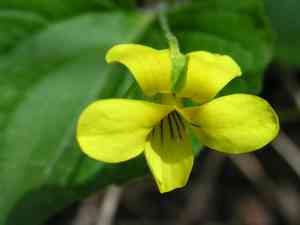
Downy Yellow Violet (Viola pubescens)
Also known as: Hairy Yellow Violet, Common Yellow Violet
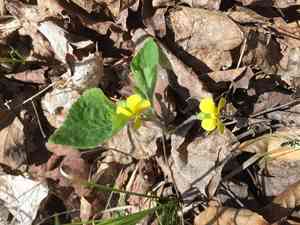
The Downy Yellow Violet (Viola pubescens) produces two distinct types of flowers. In the spring, it showcases chasmogamous flowers, which have open petals that display the reproductive parts. During the summer, it produces cleistogamous flowers, which remain closed and self-pollinate. This plant is commonly found across North America.
In This Article
Attributes of Downy Yellow Violet
Lifespan
Perennial
Plant Type
Herb
Plant Height
20 cm
Spread
30 cm
Leaf Color
Green
Flower Size
2.5 cm
Flower Color
Yellow
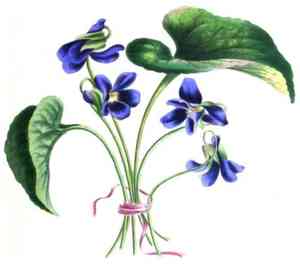
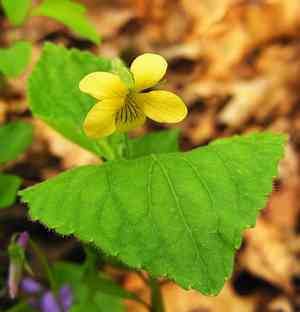
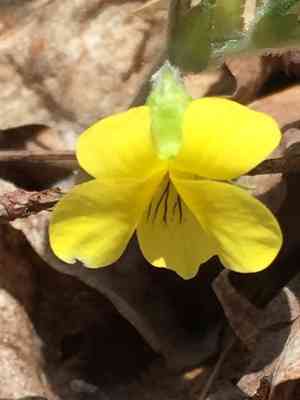
Images of Downy Yellow Violet
Quickly Identify Downy Yellow Violet
1
Heart-shaped leaves; 1.5-2 inches (3.8-5 cm) long, forming a basal rosette.
2
Distinctive yellow flowers with 5 petals, lower petal has a short, blunt nectar spur.
3
Fruit is a 3-angled seed capsule, self-splits into 3 sections for efficient seed dispersal.
4
Downy stem covered in fine hairs, green color; 4-10 inches (10-25 cm) tall.
5
Leaves have hairy undersides, stems reach up to 10 inches (25 cm) in height.
Scientific Classification of Downy Yellow Violet
Phylum
Vascular plants
Class
Dicotyledons
Order
Malpighiales
Family
Violet
Genus
Violets
Species
Downy Yellow Violet
Planting and Growing of Downy Yellow Violet
Care Difficulty
Easy
Watering Schedule
Every 4 days
Sunlight Requirements
Partial sun
Sunshine Duration
6-12 hours
Ideal Temperature
60-75℉
Soil Type
Potting Mix, Peat Mix
Soil pH
6.5-7.5
Fertilizer Type
Balanced
Pruning Season
Spring, Summer
Pruning Area
Branches, Leaves
Pruning Frequency
2 times a year
Repotting Season
Spring
Pot Type
Plastic, Ceramic
 How to Water Downy Yellow Violet?
Viola pubescens prefers consistently moist soil but avoid waterlogging. You should aim to provide about 250 ml of water each time, ensuring that the soil is evenly moist without being soggy. Proper drainage is key to avoid root rot.
What are the symptoms of an underwatered Downy Yellow Violet?
›
What should I do if my Downy Yellow Violet is not getting enough water?
›
What are the symptoms of an overwatered Downy Yellow Violet?
›
How to save an overwatered Downy Yellow Violet?
›
 What Are the Sunlight Requirements for Downy Yellow Violet?
Viola pubescens benefits from partial sun, approximately 2 to 6 hours of daily light. This light level encourages vibrant growth and maintains its natural flowering cycle without stressing the plant.
More About Sunlight Requirements Techniques→
How much sun does Viola pubescens need?
›
What is the best location for this plant?
›
How can I ensure ideal lighting for my Viola pubescens?
›
 What Is the Ideal Temperature Range for Downy Yellow Violet?
The ideal temperature range for Viola pubescens falls between 60°F and 75°F. This range ensures optimal growth and flowering, mimicking the mild conditions of its native habitats. Maintaining this temperature allows for balanced biological processes, promoting healthy foliage and flower development.
 What Soil is Best for Downy Yellow Violet?
Viola pubescens thrives in well-drained soil as it prevents waterlogging, which can lead to root rot. This ensures the plant receives adequate oxygen for healthy growth. This species prospers with a rich organic content in its soil, which provides essential nutrients. Such nutrition supports vibrant blossoms and sturdy foliage. While needing drainage, the soil should also retain moisture to keep roots consistently hydrated, promoting vigorous growth and persistent flowering.
 How to Fertilize Downy Yellow Violet?
For Viola pubescens, using a balanced fertilizer such as 10-10-10 is recommended. When using liquid fertilizer, mix it at half strength, about 5-5-5, and apply around 100 ml per plant. For slow-release fertilizer, apply at the rate of 1 tablespoon per plant, ensuring it is evenly spread across the soil.
 How to Prune Downy Yellow Violet?
Start by sterilizing your pruning shears to prevent the spread of diseases. Carefully remove any dead or wilting leaves to allow the plant to focus its energy on new growth. Trim back about one-third of the oldest stems to encourage dense foliage and a bushier appearance. Always cut just above a node to promote new branching.
More About Pruning Techniques→
 How to Propagate Downy Yellow Violet plant?
1
Ensure the soil is well-draining and rich in organic matter. Start by mixing garden soil with compost to create a nutrient-rich bed for planting.
2
Sow seeds in the seed tray, lightly covering them with soil. Keep them moist but not waterlogged, while ensuring they receive adequate sunlight.
3
Carefully dig around existing plants and separate roots using a garden spade. Immediately replant the divided sections to prevent drying out.
 How to Repot Downy Yellow Violet plant?
1
Viola pubescens, commonly known as the Downy Yellow Violet, should be considered for repotting when its roots start to encircle the pot's interior or surface from the drainage holes. This typically signals that the plant has outgrown its current container. Another indicator is if the plant's growth has significantly slowed, which may suggest root-bound conditions.
2
When selecting a pot for your Viola pubescens, choose one that is just slightly larger than its current container. Opting for a pot that is one to two inches bigger in diameter is ideal. A pot too large may retain too much moisture, leading to root rot, while an appropriately sized one will support healthy root expansion and proper drainage.
3
Choose a rich, well-draining loam for repotting your Viola pubescens. This type of soil will ensure that the plant's roots receive ample nutrients while also maintaining proper drainage. Well-draining soil prevents water from stagnating, reducing the risk of root rot and promoting healthy growth.



