
Sweet violet (Viola odorata)
Also known as: Common violet, Garden violet
Sweet violet (Viola odorata) thrives in Europe and Asia, especially in woodland edges, forest clearings, and shaded areas. In gardening, it is valued for its fragrant blooms and is often used as ground cover or in borders. In the culinary world, its edible flowers and leaves are used to create syrups, candies, and to garnish salads and desserts. The plant's sweet fragrance also makes it popular in the perfume industry.
In This Article
Attributes of Sweet violet
Lifespan
Perennial, Annual
Plant Type
Herb
Plant Height
5 cm to 15 cm
Spread
20 cm to 61 cm
Leaf Color
Green
Flower Size
2 cm to 3 cm
Flower Color
White Blue Purple Violet Pink
Images of Sweet violet
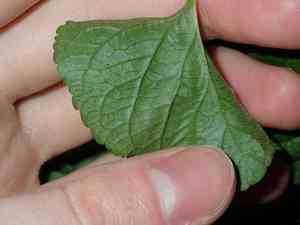
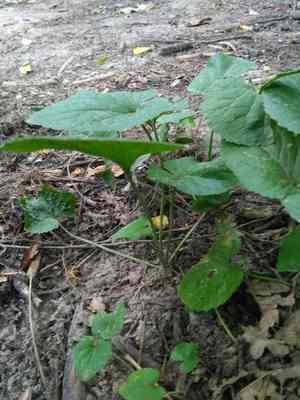
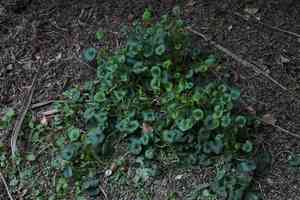
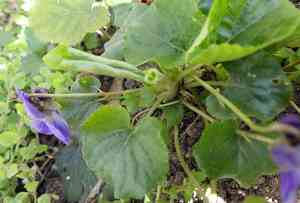
Quickly Identify Sweet violet
1
Heart-shaped leaves with serrated edges, 1-3 inches (2.5-7.5 cm) across, sparsely haired.
2
Slender, leafless stem with green to reddish color, smooth texture, and minimal branching.
3
Delicate, nodding flowers, 0.5 inch (1.3 cm) in diameter, violet to blue-violet with sweet fragrance.
4
Fruit is a light purple, 1/4 inch (0.6 cm) capsule with short hairs, splitting open to release seeds.
5
Bloom colors include dark blue, purple, lilac, rose, or white, adding a touch of color.
Scientific Classification of Sweet violet
Phylum
Vascular plants
Class
Dicotyledons
Order
Malpighiales
Family
Violet
Genus
Violets
Species
Sweet violet
Planting and Growing of Sweet violet
Care Difficulty
Easy
Watering Schedule
Every 8 days
Sunlight Requirements
Partial sun
Sunshine Duration
6-10 hours
Ideal Temperature
60-70℉
Soil Type
Potting Mix, Peat Mix
Soil pH
6.5-7.5
Fertilizer Type
Balanced
Pruning Season
Spring, Summer
Pruning Area
Branches, Leaves
Pruning Frequency
2 times a year
Repotting Season
Spring
Pot Type
Plastic, Ceramic
 How to Water Sweet violet?
When watering Viola odorata, aim to keep the soil consistently moist but never waterlogged. Ensure that you water with approximately 125 ml each time; enough to moisten the soil to a depth where the roots can easily access it without sitting in excessive water.
More About Watering Techniques→
What are the symptoms of an underwatered Sweet violet?
›
What should I do if my Sweet violet is not getting enough water?
›
What are the symptoms of an overwatered Sweet violet?
›
How to save an overwatered Sweet violet?
›
 What Are the Sunlight Requirements for Sweet violet?
Viola odorata grows best under partial sun to full shade, beneficially utilizing moderate light. This light range supports healthy growth and plentiful blooms while preventing damage from overexposure.
More About Sunlight Requirements Techniques→
How much light does Viola odorata need?
›
What is the best time for lighting Viola odorata?
›
How to achieve optimal lighting conditions for growth?
›
 What Is the Ideal Temperature Range for Sweet violet?
The ideal temperature range for growing Viola odorata is between 60°F and 70°F. At these temperatures, the plant can thrive and produce beautiful flowers. This range provides optimal conditions for photosynthesis, allowing the plant to maintain its metabolic processes effectively.
 What Soil is Best for Sweet violet?
Viola odorata thrives best in soil that retains moisture without becoming waterlogged. A loamy soil with good water retention supports healthy root growth, ensuring the plant receives adequate hydration while preventing root rot. The plant favors nutrient-rich soils that provide essential minerals and organic matter. High nutrient availability in loamy or sandy loam soils promotes robust growth and vibrant blooms, as Viola odorata requires a steady supply of nutrients for optimal flowering. Well-aerated soil enables Viola odorata roots to breathe, enhancing root development and preventing anaerobic conditions. Loamy soil often has the right balance of air space to support healthy respiration and metabolic processes.
More About Soil→
 How to Fertilize Sweet violet?
For Viola odorata, a modest amount of fertilizer is sufficient as the plant naturally thrives in nutrient-rich organic matter. Typically, use about 1/4 of the recommended dose on the fertilizer package to prevent overfeeding.
More About Fertilizing Techniques→
 How to Prune Sweet violet?
Avoid heavy pruning of Viola odorata during its flowering period as it could affect the bloom cycle. Instead, focus on light trimming to maintain the plant's shape without disturbing the flowers. In Autumn, be gentle with pruning because the plant is preparing for dormancy. Remove only spent flowers and minimal foliage to avoid over-stressing the plant as it transitions into cooler weather. The stems of Viola odorata can exude a clear sap when cut. While it's not harmful, it's a good idea to wash your hands after handling the plant to avoid minor skin irritation.
More About Pruning Techniques→
 How to Propagate Sweet violet plant?
1
Use a well-draining soil mix, such as a combination of potting soil, perlite, and organic matter, to provide a hospitable environment for seed germination or rooting cuttings. Ensure the mix is sterile to minimize the risk of fungal infections.
2
Select healthy, disease-free stems from the parent plant. Cut just below a node using a sterilized knife. Ensure cuttings are about 4-6 inches long and remove any lower leaves to prevent rot.
3
For seeds, lightly press them into the soil and cover with a thin layer of soil. For cuttings, insert the cut end into the soil and firm it gently. Water lightly to settle the soil.
 How to Repot Sweet violet plant?
1
Viola odorata, also known as Sweet Violet, typically shows signs for repotting when it becomes root-bound with roots visibly growing out of the drainage holes, or when the soil no longer retains moisture well. Ideally, aim to repot during the early spring as new growth begins, ensuring minimal disruption to its growth cycle.
2
Selecting the right pot for Viola odorata involves ensuring proper drainage and adequate space for root growth. Opt for a pot that is one size larger than the current container with several drainage holes. The benefit of this choice is to allow room for root expansion without causing waterlogging, which can lead to root rot.
3
Selecting the right soil means combining well-draining potting soil with rich organic matter to provide nutrients. The addition of perlite or sand aids in maintaining drainage, preventing water stagnation at the roots. This mix supports healthy growth by balancing moisture retention and aeration.
Learn More About Sweet violet Diseases
Anthracnose
Bacterial Leaf Spot
Bacterial Soft Rot
Bacterial Wilt
Black Spot
Chemical Injury
Crown Gall
Cyst Nematode
Damping-off
Downy Mildew
Drought Stress
Fusarium Wilt
Gray Mold
Leaf Curl
Leaf Spot
Mosaic
Nutrient Deficiency
Nutrient Toxicity
Powdery Mildew
Root Rot
Root-knot Nematode
Rusts
Sooty Mold
Spider Mites
Temperature Stress
Thrips Damage
White Mold



