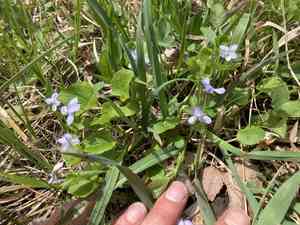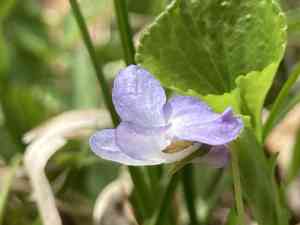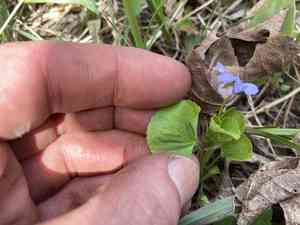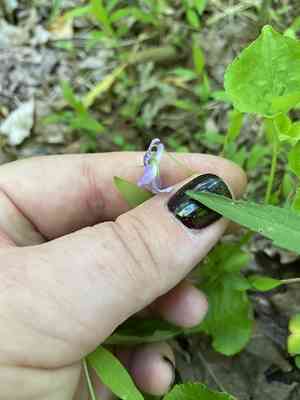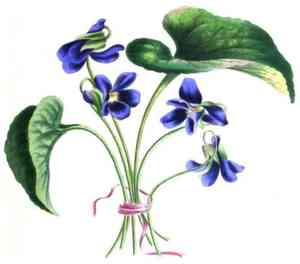
Labrador violet(Viola labradorica)

Labrador violet (Viola labradorica)

Also known as: Johnny jump-up, Dog violet

Certainly! Here's a revised and distinct guide:

Labrador violet (Viola labradorica) showcases a stunning display of flowers in the spring. To grow your own from seeds, follow these steps:

1. **Collect Seeds**: After flowering, the plant produces seed pods. Harvest these pods before they split open. Allow the pods to dry in a paper bag until they release the seeds naturally.
2. **Store Seeds**: Once released, store the seeds in a sealed jar until you're ready to plant them.
3. **Cold Stratification**: Mimic winter by placing seeds in a damp paper towel inside a sealed plastic bag. Refrigerate for 4-6 weeks.
4. **Soil Preparation**: Fill small pots or seed trays with a well-draining potting mix.
5. **Sow Seeds**: Scatter the seeds on the soil surface and gently press them in. They need light to germinate, so do not bury them.
6. **Watering**: Keep the soil consistently moist by misting it regularly.
7. **Light and Temperature**: Ensure the seeds get indirect sunlight and maintain a temperature range of 65-75°F (18-24°C).
8. **Germination**: Expect seedlings to appear within 2-4 weeks. Continue to keep the soil moist.
9. **Transplanting**: Once the seedlings have developed several true leaves, transfer them to a garden bed or larger pots with similar soil conditions.

Enjoy your beautiful Labrador violets!

Attributes of Labrador violet

Lifespan
Perennial, Annual, Biennial
Plant Type
Herb
Plant Height
5 cm to 20 cm
Spread
30 cm
Leaf Color
Green Purple
Flower Size
2.5 cm
Flower Color
Purple Mauve

ForwardPlant - Identify plants with a snap

Identify and diagnose plants, get toxicity alerts, and explore safety guides for all types of fungi.

Try for Free

Images of Labrador violet

Labrador violet(Viola labradorica)

Quickly Identify Labrador violet

1
Look for heart-shaped leaves with serrated edges and small, delicate purple flowers with five petals. The leaves are usually dark green with a hint of purple.

Scientific Classification of Labrador violet

Phylum
Vascular plants
Class
Dicotyledons
Order
Malpighiales
Family
Violet
Genus
Violets
Species
Labrador violet

Planting and Growing of Labrador violet

Care Difficulty
Easy
Watering Schedule
Every 8 days
Sunlight Requirements
Partial sun
Sunshine Duration
6-10 hours
Ideal Temperature
60-70℉
Soil Type
Potting Mix, Peat Mix
Soil pH
5.5-7
Fertilizer Type
Balanced
Pruning Season
Spring, Summer
Pruning Area
Branches, Leaves
Pruning Frequency
2 times a year
Repotting Season
Spring
Pot Type
Terracotta, Plastic

water icon How to Water Labrador violet?

For Viola labradorica, watering should be generous enough to moisten the soil thoroughly. Aim for about 200 milliliters, ensuring the water penetrates down to the roots but avoid pooling. This helps maintain the airy structure of the soil while ensuring consistent moisture levels.
What are the symptoms of an underwatered Labrador violet?
What should I do if my Labrador violet is not getting enough water?
What are the symptoms of an overwatered Labrador violet?
How to save an overwatered Labrador violet?

sunlight icon What Are the Sunlight Requirements for Labrador violet?

Sunlight Requirements: Partial sun, Full shade
Duration of light: 2-6 hours of sunlight
Partial shade with dappled light is optimal for Viola labradorica, fostering healthy growth, vibrant foliage, and abundant flowering. This mimics its natural woodland habitat and ensures vitality.
What type of light does Viola labradorica prefer?
How can you provide the ideal light for Viola labradorica?
What are the benefits of providing ideal light to Viola labradorica?
More About Sunlight Requirements Techniques

temperature icon What Is the Ideal Temperature Range for Labrador violet?

Ideal Temperature: 60 ~ 70℉
The ideal temperature range for growing Viola labradorica is between 60°F and 70°F. Maintaining this range encourages optimal growth and flowering. At these temperatures, the plant can efficiently conduct photosynthesis and promote healthy cell functioning. For indoor settings, consider positioning the plant in areas where ambient temperatures align with this range.

soil icon What Soil is Best for Labrador violet?

Soil type: Loam, Acidic soil, Peat soil
Soil PH: 5.5 ~ 7
Viola labradorica thrives in soil that retains moisture well without becoming waterlogged. Loamy soil is ideal as it provides a perfect balance, ensuring consistent hydration which prevents the delicate blooms from wilting, while supporting root health. Rich, nutrient-dense soil is essential for the robust growth of Viola labradorica. These nutrients enable vibrant leaf and blossom production. Peat soil, known for its high organic matter, enriches young plants with the essential nutrients they need to flourish. This plant prefers slightly acidic conditions which facilitate better nutrient uptake. Acidic soil supports the optimal absorption of essential minerals like iron and manganese, promoting lush and vibrant foliage and compensating for nutrient deficiencies.

fertilize icon How to Fertilize Labrador violet?

Fertilizer type: Balanced
For Viola labradorica, use a balanced 10-10-10 liquid fertilizer, applying at half strength to avoid burning the delicate roots. When using slow-release granules, sprinkle lightly around the plant base without direct contact with foliage.

prune icon How to Prune Labrador violet?

Pruning Time: Spring, Summer, Autumn
Begin by examining your Viola labradorica, focusing on removing any dead or damaged stems. Trim these close to the base, ensuring no stubs remain. Following this, target overly long or unsightly stems, cutting just above a healthy leaf node to encourage new growth. This method not only tidies the plant but also promotes a more bushy and lush appearance, fostering a prettier, more compact form. To prolong bloom time, remove faded or spent flowers regularly. Follow the flower stem down to the first set of leaves and cut below it. Doing this consistently redirects the plant's energy from seed production to more flower development. As a result, you’ll enjoy an extended flowering period with vibrant blooms lasting longer through the growing seasons. More About Pruning Techniques

propagate icon How to Propagate Labrador violet plant?

Propagate Time: Spring, Early spring, Late spring
1
Collect seeds from mature Viola labradorica plants, ensuring they are healthy and viable. Clean and dry the seeds to prevent fungal growth, then store them in a cool, dry place if not sowing immediately.
2
Fill seed trays with a well-draining seed starting mix. Place the seeds on the soil surface and lightly cover them with a thin layer of soil. Water gently to moisten the soil without dislodging the seeds.
3
In early spring, when new growth begins, dig up established Viola labradorica plants. Carefully separate the root clumps into smaller sections, ensuring each has sufficient roots and shoots for successful re-establishment.
More About Propagating Techniques

repot icon How to Repot Labrador violet plant?

Repotting frequency: Every 1-2 years
1
Viola labradorica should be repotted when you notice its roots protruding from the drainage holes or when the soil no longer retains moisture effectively. These are clear signs that the plant needs more room to grow and flourish.
2
Select a pot that is about 2 inches larger in diameter than the current pot to provide ample space for root expansion. Ensure the pot has adequate drainage holes to prevent water logging, which can lead to root rot.
3
Opt for a well-draining potting mix that is rich in organic matter. A blend containing peat, perlite, and compost is excellent for ensuring proper aeration and nutrient availability, which helps in promoting healthy growth.

ForwardPlant - Identify plants with a snap

Find the best spots for them to optimize their health, simply using your phone.

Try for Free