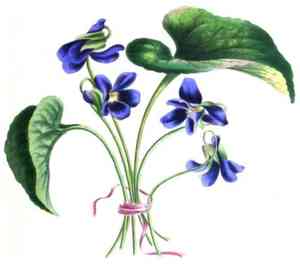
Southern woodland violet (Viola hirsutula)
Also known as: Hairy Violet
Viola hirsutula, also known as the southern woodland violet, is a perennial violet species native to the eastern U.S.
In This Article
Attributes of Southern woodland violet
Lifespan
Perennial
Plant Type
Herb
Plant Height
6 to 10 inches
Spread
6 to 12 inches
Leaf Color
Green, with a hairy texture
Flower Size
0.5 to 1 inch
Flower Color
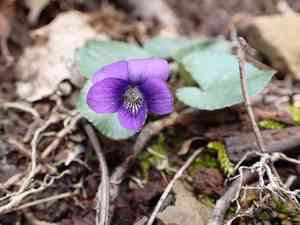
Violet to lavender with a white center
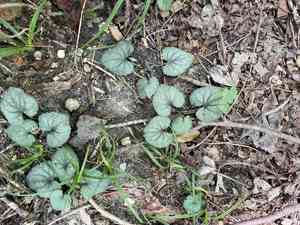
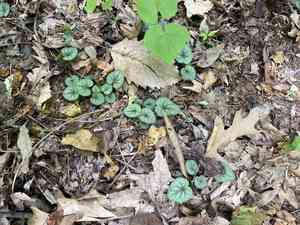
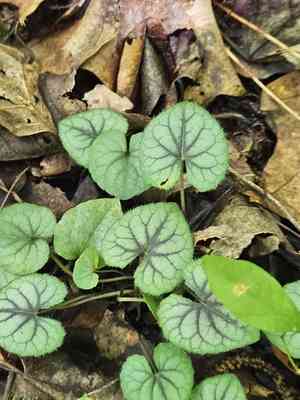
Images of Southern woodland violet
Quickly Identify Southern woodland violet
1
Look for its distinctive hairy stems and leaves. The flowers are violet to lavender in color with a white center and often exhibit darker streaks on the petals.
Scientific Classification of Southern woodland violet
Phylum
Vascular plants
Class
Dicotyledons
Order
Malpighiales
Family
Violet
Genus
Violets
Species
Southern woodland violet
Planting and Growing of Southern woodland violet
Care Difficulty
Easy
Watering Schedule
Every 4 days
Sunlight Requirements
Partial sun
Sunshine Duration
4-8 hours
Ideal Temperature
60-75℉
Soil Type
Potting Mix, Peat Mix
Soil pH
5.5-6.5
Fertilizer Type
Balanced
Pruning Season
Spring, Summer
Pruning Area
Branches, Leaves
Pruning Frequency
2 times a year
Repotting Season
Spring
Pot Type
Plastic, Ceramic
 How to Water Southern woodland violet?
For Viola hirsutula, water until the soil is consistently moist but not soggy. Typically, each watering session should involve approximately 250 ml of water, depending on pot size and environmental conditions. The key is to ensure the soil feels moist to the touch without pooling water at the base.
What are the symptoms of an underwatered Southern woodland violet?
›
What should I do if my Southern woodland violet is not getting enough water?
›
What are the symptoms of an overwatered Southern woodland violet?
›
How to save an overwatered Southern woodland violet?
›
 What Are the Sunlight Requirements for Southern woodland violet?
Partial sun or full shade provides the best setting, allowing the Viola hirsutula to flourish. Moderate levels help the plant produce chlorophyll effectively, maintaining its vibrant green hue and boosting its bloom capacity.
More About Sunlight Requirements Techniques→
How does Viola hirsutula prefer its sunlight?
›
How can I achieve ideal lighting for this plant?
›
What benefits does ideal lighting offer?
›
 What Is the Ideal Temperature Range for Southern woodland violet?
For optimal growth, Viola hirsutula thrives best in a temperature range of 60°F to 75°F. This range supports the plant’s natural metabolic processes and helps in achieving robust flowering and foliage development. Maintaining these conditions ensures that the plant remains healthy and vibrant.
 What Soil is Best for Southern woodland violet?
Viola hirsutula thrives in soil that provides moderate drainage. This prevents waterlogging, which can cause root rot, while ensuring the plant’s roots have access to moisture and nutrients necessary for healthy growth. The plant benefits from soil rich in organic matter, which enhances nutrient availability and soil structure. Organic matter also supports beneficial microorganisms that contribute to plant health and growth. A slightly acidic environment is preferred, making it suitable for soils with a pH range of 5.5 to 6.5. This acidity level supports optimal nutrient uptake and improves flowering performance.
 How to Fertilize Southern woodland violet?
For Viola hirsutula, the fertilizer amount is crucial. Use a balanced liquid fertilizer diluted to half strength. A teaspoon per gallon of water is generally sufficient, ensuring not to overwhelm the plant with nutrients. This slight nourishment keeps the plant thriving without burdening its roots.
 How to Prune Southern woodland violet?
Begin by identifying any dead, damaged, or diseased stems and remove them carefully. Trim back any leggy stems to encourage bushier growth. If your plant is flowering, focus also on removing spent flowers by cutting the stem just above the first set of healthy leaves. After pruning your Viola hirsutula, water it thoroughly to aid recovery and boost new growth. Consider applying a balanced, slow-release fertilizer to provide essential nutrients that will support blooming and robust foliage.
More About Pruning Techniques→
 How to Propagate Southern woodland violet plant?
1
Sow seeds in a well-draining potting mix, covering them lightly with soil. Maintain constant moisture by misting the surface. It's important to keep the seeds in a warm, bright location but out of direct sunlight.
2
Select a healthy stem and cut a 4-6 inch section just below a node. Remove the lower leaves and dip the cut end into rooting hormone before planting in a potting medium.
3
Carefully dig out the plant and gently separate the root clumps. Ensure each division has roots and shoots before planting them in new locations with similar growing conditions.
 How to Repot Southern woodland violet plant?
1
Observe the growth signals. If your Viola hirsutula is showing signs of restricted growth, or roots are emerging from the pot's drainage holes, it's time to consider repotting. Another telltale sign is if the soil dries out extremely fast after watering, indicating a pot-bound state. The ideal time is in early spring or fall when the plant is not actively flowering, avoiding stress during its growth peak.
2
Select a pot slightly larger than the current one, ensuring it has ample drainage holes to facilitate excess water escape. A ceramic or terracotta pot is preferable as it aids in moisture regulation. The proper pot size discourages waterlogging and ensures the roots have room to breathe and grow without becoming overly confined, promoting healthier plant growth.
3
Opt for well-draining, slightly acidic soil, often found in mixes designed for violets. Incorporating perlite or coarse sand can enhance aeration and drainage, preventing root rot. A good soil mix will provide the necessary nutrients and allow proper water flow, crucial for the thriving growth of your Viola hirsutula.
Learn More About Southern woodland violet Diseases
Anthracnose
Bacterial Leaf Spot
Bacterial Soft Rot
Black Spot
Chemical Injury
Crown Gall
Cyst Nematode
Damping-off
Downy Mildew
Drought Stress
Fusarium Wilt
Gray Mold
Leaf Curl
Leaf Spot
Mosaic
Nutrient Deficiency
Nutrient Toxicity
Powdery Mildew
Root Rot
Root-knot Nematode
Rusts
Sooty Mold
Spider Mites
Temperature Stress
Thrips Damage
White Mold



