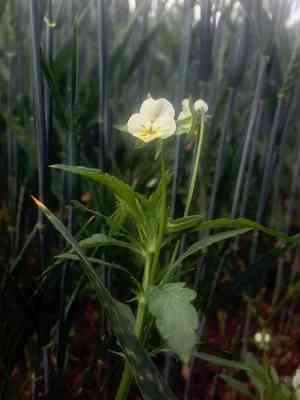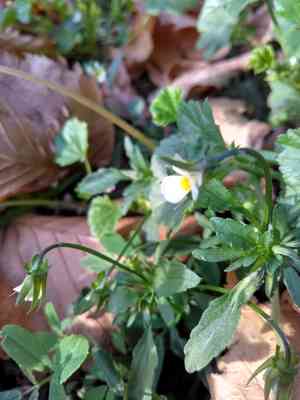
Field pansy(Viola arvensis)

Field pansy (Viola arvensis)

Also known as: Wild pansy

To promote more flowering in Field pansies (Viola arvensis), regularly remove spent blooms. This process, known as deadheading, helps the plant focus its energy on producing new flowers instead of seeds. Additionally, ensure they receive adequate sunlight (full sun to partial shade) and consistent watering. Applying a balanced, water-soluble fertilizer during the growing season can also enhance blooming.

Attributes of Field pansy

Lifespan
Annual, Perennial
Plant Type
Herb
Plant Height
30 cm
Spread
30 cm
Leaf Color
Green
Flower Size
2.5 cm
Flower Color
White Yellow Purple Lavender Gold

PlantJoy - Identify plants with a snap

Identify and diagnose plants, get toxicity alerts, and explore safety guides for all types of fungi.

Try for Free

Images of Field pansy

Field pansy(Viola arvensis)

Quickly Identify Field pansy

1
Distinct two-tone flowers with a prominent lower petal
2
Delicate white to pale yellow petals with purple edges
3
Single-celled capsule fruit with three opening valves
4
Dark green basal rosette leaves with hairy veins
5
Branched prostrate stems up to 16 inches in length

Scientific Classification of Field pansy

Phylum
Vascular plants
Class
Dicotyledons
Order
Malpighiales
Family
Violet
Genus
Violets
Species
Field pansy

Planting and Growing of Field pansy

Care Difficulty
Easy
Watering Schedule
Every 6 days
Sunlight Requirements
Full sun
Sunshine Duration
4-6 hours
Ideal Temperature
60-75℉
Soil Type
Potting Mix, Peat Mix
Soil pH
6.5-7.5
Fertilizer Type
Balanced
Pruning Season
Spring, Summer
Pruning Area
Branches, Leaves
Pruning Frequency
2 times a year
Repotting Season
Spring
Pot Type
Plastic, Ceramic

water icon How to Water Field pansy?

Viola arvensis appreciates well-moist soil, but it doesn't enjoy being waterlogged. Aim to keep the top inch of soil slightly moist. Ideally, you should water it using about 200 milliliters, ensuring that it reaches the root zone without leaving puddles on the surface.
What are the symptoms of an underwatered Field pansy?
What should I do if my Field pansy is not getting enough water?
What are the symptoms of an overwatered Field pansy?
How to save an overwatered Field pansy?

sunlight icon What Are the Sunlight Requirements for Field pansy?

Sunlight Requirements: Full sun, Partial sun
Duration of light: 6-8 hours daily
Viola arvensis flourishes in an ideal light range of full to partial sun. This range promotes vigorous blooming and ensures healthy, vibrant growth while preventing potential scorching.
Essential Sunlight Exposure
Partial Sunlight Adjustments
Adaptive Positioning Techniques

temperature icon What Is the Ideal Temperature Range for Field pansy?

Ideal Temperature: 60 ~ 75℉
What is the ideal temperature range for growing Viola arvensis? The ideal temperature for Viola arvensis falls between 60°F and 75°F. These temperatures support optimal growth and blooming, providing a comfortable environment that simulates the plant's natural habitat.

soil icon What Soil is Best for Field pansy?

Soil type: Sandy soil, Loam, Calcareous soil
Soil PH: 6.5 ~ 7.5
Viola arvensis thrives in well-drained soil, which prevents waterlogging that can lead to root rot. Ensuring the soil has good drainage will keep the roots healthy and support robust plant growth. A nutrient-rich medium provides essential minerals for Viola arvensis, promoting vibrant blooms and lush foliage. Enriching the soil with organic matter like compost improves soil fertility and plant vitality. While drainage is crucial, the soil should also retain some moisture to sustain Viola arvensis during dry periods. Sandy loam balances moisture retention and drainage, giving the plant a stable environment to flourish.

fertilize icon How to Fertilize Field pansy?

Fertilizer type: Balanced
When fertilizing Viola arvensis, use a balanced fertilizer with an NPK ratio of 10-10-10. For liquid fertilizers, dilute it to half its strength. Apply about 50 ml per plant during the growing season to promote healthy blooms and foliage.

prune icon How to Prune Field pansy?

Pruning Time: Spring, Summer, Autumn
Always handle the plant gently during pruning to avoid damaging fragile stems and leaves. Violas can be quite delicate, and rough handling might harm the plant more than help it. A gentle touch ensures healthy recovery and doesn't shock the plant. Ensure all pruning tools are sterilized before use to prevent the transfer of pathogens. This isn't just a precaution; it's a crucial step in maintaining plant health. Simply wiping the blades with alcohol or a diluted bleach solution is sufficient. Avoid pruning during peak heat or just before frost. The best times are during early spring before the heavy growth begins, and late summer after the main blooming period. This timing helps in stress reduction and encourages healthier regrowth.

propagate icon How to Propagate Field pansy plant?

Propagate Time: Spring, Early spring
1
Fill the seed trays with a sterile potting mix, ensuring it is even and compact. Water the mix lightly to moisten it but not to the point of waterlogging. This initial watering ensures that the seeds have adequate moisture for germination.
2
Sow Viola arvensis seeds evenly over the surface of the moistened potting mix. Lightly press the seeds into the surface; they require light for germination, so avoid burying them too deeply. Maintain adequate spacing to prevent overcrowding, which can lead to fungal issues.
3
Place the seed trays in a warm and bright location, ideally with a temperature of around 65-70°F (18-21°C). Keep the potting mix consistently moist but not soaked. Use a spray bottle for watering to prevent disturbing the seeds.

repot icon How to Repot Field pansy plant?

Repotting frequency: Every 1-2 years
1
Viola arvensis gives clear signals when it needs repotting. Look for roots emerging from the drainage holes or the plant appearing stunted. These signs indicate that the plant requires more space to grow and a fresh supply of nutrients found in new soil is essential.
2
Select a pot that is one size larger than the current one to ensure ample space for growth. Ensure the pot has drainage holes to prevent waterlogging, which could cause root rot. The material of the pot can vary, but it's vital to choose one that suits the environment the plant will be placed in.
3
Opt for a well-draining soil mix that retains enough moisture but allows excess water to escape. This ensures the roots are not waterlogged, providing a stable growth environment for Viola arvensis. A mix containing sand, loam, and organic matter would be ideal.

PlantJoy - Identify plants with a snap

Find the best spots for them to optimize their health, simply using your phone.

Try for Free

Toxicity of Field pansy

Is Field pansy toxic to humans?

The field pansy is known to possess slight toxicity when consumed in substantial quantities. It has been noted that the seeds are the toxic components of this plant. If ingested in large numbers, the seeds can lead to mild health issues, primarily characterized by low to moderate gastric disturbances such as vomiting, diarrhea, nausea, and abdominal cramps. Given that the field pansy and several Viola species are frequently grown in gardens, it is essential to exercise particular caution with this plant, as its appearance may entice people to consume it. Additional vigilance is necessary, especially for children, who may find the blossoms of Viola appealing enough to place in their mouths.

Is Field pansy toxic to cat?

Field pansy presents a slight toxicity hazard to cats, potentially causing physical discomfort if ingested accidentally. The whole plant possesses toxic components, particularly alkaloids, which contribute to the negative impacts on the health of felines. When cats ingest portions of field pansy, they may exhibit various symptoms indicative of physical distress. To protect their health, any concerns regarding the consumption of field pansy should lead to immediate veterinary consultation to effectively address and manage the situation.

Is Field pansy toxic to dog?

The field pansy plant species is identified as having a mild toxic effect on dogs. Accidental ingestion of this plant can lead to poisoning in dogs. All parts of the plant are toxic, necessitating that it be kept away from pets. Signs of poisoning in dogs may manifest as gastrointestinal disturbances, including vomiting or diarrhea, lethargy, or more serious reactions depending on the quantity consumed. Alkaloids present in the plant are the toxic compounds that cause these symptoms. Prompt veterinary assistance is essential if a dog consumes field pansy to ensure appropriate treatment and management of any resulting symptoms.

Identify toxic plants for your safety

Learn which plants are harmful to you and your pets, and make informed choices for a safer home!

Try for Free
WARNING
The judgment on toxicity and danger is for reference only. We DO NOT GUARANTEE any accuracy of such judgment. Therefore, you SHALL NOT rely on such judgment. It is IMPORTANT TO SEEK PROFESSIONAL ADVICE in advance when necessary.
More About Toxic Techniques