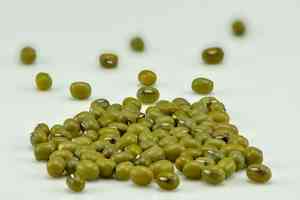
Mung bean (Vigna radiata)
Also known as: Greed gram, Golden gram
Mung bean (Vigna radiata) is a legume originally from India, prized mainly for its culinary applications. This warm-season crop thrives in heat and shows good drought resistance. For best results, sow mung beans in late spring to early summer, ensuring a harvest by fall.
In This Article
Attributes of Mung bean
Lifespan
Annual
Plant Type
Herb
Plant Height
1.3 m
Spread
50 cm
Leaf Color
Green
Flower Size
0.5-1 cm
Flower Color
Yellow
Images of Mung bean
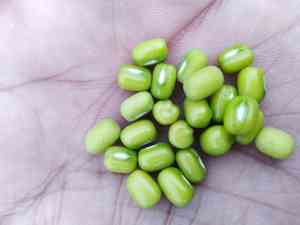
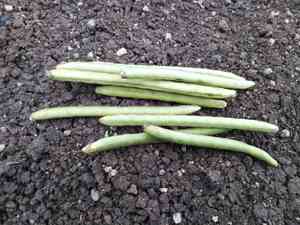
Quickly Identify Mung bean
1
Identifying Vigna radiata involves looking for small, ovular green seeds, trifoliate leaves with ovate leaflets, and yellow flowers that develop into pods containing the beans.
Scientific Classification of Mung bean
Phylum
Vascular plants
Class
Dicotyledons
Order
Legumes, milkworts and allies
Family
Legume
Genus
black eye pea
Species
Mung bean
Planting and Growing of Mung bean
Care Difficulty
Easy
Watering Schedule
Every 4 days
Sunlight Requirements
Full sun
Sunshine Duration
6-10 hours
Ideal Temperature
77-86℉
Soil Type
Potting Mix, Peat Mix
Soil pH
6.5-7.5
Fertilizer Type
Balanced
Pruning Season
Spring, Summer
Pruning Area
Branches, Leaves
Pruning Frequency
2 times a year
Repotting Season
Spring
Pot Type
Plastic, Ceramic
 How to Water Mung bean?
Mung beans (Vigna radiata) require adequate moisture without becoming waterlogged. Apply approximately 500 milliliters of water per session, ensuring the soil remains moist but not saturated. This balance prevents root rot while supporting healthy growth.
What are the symptoms of an underwatered Mung bean?
›
What should I do if my Mung bean is not getting enough water?
›
What are the symptoms of an overwatered Mung bean?
›
How to save an overwatered Mung bean?
›
 What Are the Sunlight Requirements for Mung bean?
Vigna radiata thrives best under full sun, benefiting from ample light exposure that boosts growth and photosynthesis, essential for robust development and bountiful yields.
More About Sunlight Requirements Techniques→
Optimal Sun Exposure
›
Adjustable Shading
›
Positioning Strategy
›
 What Is the Ideal Temperature Range for Mung bean?
Vigna radiata flourishes best in temperatures ranging from 77°F to 86°F. Within this temperature range, the physiological processes such as photosynthesis and nutrient uptake are conducted efficiently, leading to optimal growth and development.
 What Soil is Best for Mung bean?
Vigna radiata requires well-drained soil to prevent root rot. Proper drainage ensures that the roots receive oxygen, facilitating healthy growth and maximizing yield. To thrive, Vigna radiata needs soil rich in essential nutrients like nitrogen, phosphorus, and potassium. These nutrients promote vigorous growth and improve the plant's resistance to environmental stress. This plant prefers soil that retains moderate moisture without getting soggy. Consistent moisture helps maintain the plant's metabolic processes and prevents wilting, especially in hot climates.
 How to Fertilize Mung bean?
For Vigna radiata, a balanced fertilization approach is critical. Use a 10-10-10 liquid fertilizer, diluted to half-strength, and apply around 250 ml per plant. For solid fertilizers, use 50 grams of a similar NPK mix per application, evenly distributed around the plant base.
 How to Prune Mung bean?
To begin pruning, always select sharp and clean shears or scissors. This will ensure clean cuts, minimizing damage and reducing the risk of infection or disease transfer to the plant. Look for leggy or overly extended branches that may be sapping energy from the core plant. Additionally, identify and remove any brown or withered leaves as they can lead to fungal problems. Start by cutting back dead or unhealthy stems to the base of the plant. If you aim to shape the plant, cut just above a leaf node to encourage fuller growth in desired directions.
 How to Propagate Mung bean plant?
1
Start by soaking the seeds overnight in water. This step helps to soften the seed coat, thereby facilitating quicker germination. Ensure that the seeds are completely submerged and leave them for 12-24 hours before planting.
2
Fill the seed trays or pots with a well-draining potting mix. Place the seeds about 1 inch deep into the soil, covering them lightly. Ensure spacing between seeds to allow ample room for growth. Water the soil gently to keep it moist without waterlogging.
3
Place the seed trays in a warm area with ample indirect sunlight. Maintain a consistent moisture level by watering regularly whenever the soil feels dry to the touch. Germination typically occurs within a week under optimal conditions.
 How to Repot Mung bean plant?
1
Vigna radiata is ready for repotting when you notice roots circling the pot, or the plant looks top-heavy and its growth has slowed. It’s a good idea to repot in spring or early summer when the plant is actively growing, ensuring a smooth transition.
2
Selecting the right pot is crucial. Opt for a pot slightly larger than the current one, with adequate drainage holes. A pot that's too large can lead to water-logging, while too small a pot can restrict root growth. A terracotta pot is beneficial as it absorbs excess moisture, keeping plant roots healthy.
3
A well-draining loamy mix is preferable for Vigna radiata. This soil type ensures your plant gets the necessary nutrients while maintaining ideal moisture levels. The mix should be light to prevent water retention, which can lead to root rot, ensuring robust plant health.
Learn More About Mung bean Diseases
Anthracnose
Bacterial Leaf Spot
Bacterial Soft Rot
Bacterial Wilt
Chemical Injury
Cyst Nematode
Damping-off
Downy Mildew
Drought Stress
Fusarium Wilt
Gray Mold
Leaf Curl
Leaf Spot
Mosaic
Nutrient Deficiency
Nutrient Toxicity
Powdery Mildew
Root Rot
Root-knot Nematode
Rusts
Sooty Mold
Spider Mites
Temperature Stress
Thrips Damage
White Mold



