
Vetches (Vicia) (Vicia)
Also known as: Vetch
Vetches, belonging to the pea family, are flowering plants that naturally grow on every continent except Australia and Antarctica. Some varieties are cultivated for food, both for humans and animals. Additionally, certain vetches are grown for their attractive flowers, and many serve as crucial food sources for caterpillars, butterflies, and moths.
In This Article
Attributes of Vetches (Vicia)
Lifespan
Annual, Biennial, Perennial
Plant Height
20 to 80 cm
Spread
N/A
Leaf Color
Green
Flower Size
1 to 2 cm
Flower Color
Blue, Purple, White
Images of Vetches (Vicia)
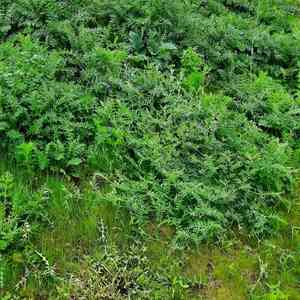
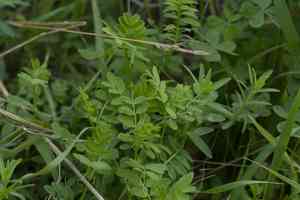
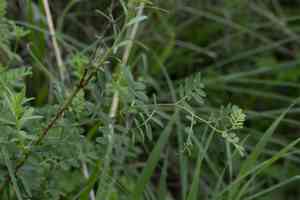
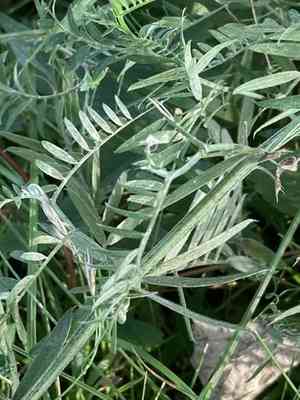
Quickly Identify Vetches (Vicia)
1
Vicia species are generally characterized by their compound leaves with tendrils, which help them climb. They usually have pea-like flowers, often blue, purple, or white, and produce pods containing seeds.
Scientific Classification of Vetches (Vicia)
Phylum
Magnoliophyta
Class
Magnoliopsida
Order
Fabales
Family
Fabaceae
Genus
Vicia
Planting and Growing of Vetches (Vicia)
Care Difficulty
Moderate
Watering Schedule
Every 8 days
Sunlight Requirements
Partial sun
Sunshine Duration
6-10 hours
Ideal Temperature
60-75℉
Soil Type
Potting Mix, Peat Mix
Soil pH
6.5-7.5
Fertilizer Type
Balanced
Pruning Season
Spring, Summer
Pruning Area
Branches, Leaves
Pruning Frequency
2 times a year
Repotting Season
Spring
Pot Type
Plastic, Ceramic
 How to Water Vetches (Vicia)?
For Vicia species, it's crucial to water in moderation. Cleary understanding their needs, you should aim to provide around 500 ml of water per session, ensuring moisture reaches root depth without causing waterlogging. Keeping the soil moderately moist but not overly saturated is key.
What are the symptoms of an underwatered Vetches (Vicia)?
›
What should I do if my Vetches (Vicia) is not getting enough water?
›
What are the symptoms of an overwatered Vetches (Vicia)?
›
How to save an overwatered Vetches (Vicia)?
›
 What Are the Sunlight Requirements for Vetches (Vicia)?
Vicia thrives best under partial to full sun conditions, providing it with 6 to 8 hours of daily sunlight. This range supports optimal growth and resilience.
What is the optimal light condition for Vicia?
›
How can I achieve the ideal light condition for Vicia?
›
What benefits does Vicia receive from ideal light conditions?
›
 What Is the Ideal Temperature Range for Vetches (Vicia)?
The ideal temperature range for Vicia species involves maintaining a consistent temperature between 60°F and 75°F. This range promotes optimal growth and development, ensuring the plant can photosynthesize effectively and grow robustly. Temperatures within this range also support flowering and seed production. It is crucial to maintain this stable environment to avoid stress-related growth issues, providing consistency that mirrors these plants' natural habitats.
 What Soil is Best for Vetches (Vicia)?
Vicia thrives in nutrient-rich soil, providing essential minerals for optimal growth. A fertile soil promotes healthy foliage and robust root development, crucial for supporting abundant flowering. Soil that offers good drainage helps prevent waterlogging, which can lead to root rot. Vicia prefers soil that keeps roots aerated and promotes efficient moisture management. While well-drained, the soil should also retain enough moisture to support continuous growth. Adequate moisture aids in nutrient uptake and keeps the plant hydrated, especially during dry spells.
 How to Fertilize Vetches (Vicia)?
Vicia species, being legumes, benefit from moderate fertilization. Use about 10 grams of balanced 10-10-10 NPK fertilizer per plant, applied gently around the base without disturbing the roots. This amount provides enough nutrients without risking over-fertilization.
 How to Prune Vetches (Vicia)?
To prune Vicia, start by identifying dead or damaged stems and cut them at their base using clean, sharp secateurs. Next, trim back any excessively long or unruly vines to maintain a tidy shape. This will encourage new shoots to develop, thereby improving the plant's overall look and health. Make sure to make clean cuts to avoid damaging the plant's tissue.
 How to Propagate Vetches (Vicia) plant?
1
Soak Vicia seeds in water overnight to soften the seed coat, enhancing germination rates. Ensure seeds are dry before planting to prevent mold development.
2
Select healthy stems from the parent plant and cut them using sharp pruners. Ensure each cutting is at least 10 cm in length and has a few leaf nodes.
3
Plant seeds or cuttings into seedling trays with a quality potting mix. Water gently and regularly to maintain moisture without over-saturating the soil.
 How to Repot Vetches (Vicia) plant?
1
Repot your Vicia when it outgrows its current container or its growth appears stunted. You'll notice roots circling the pot's interior or escaping from drainage holes.
2
Select a pot that's one size larger than the current. A pot with good drainage holes prevents water stagnation, reducing the risk of root rot and promoting healthy root development.
3
Opt for a soil mix that offers excellent drainage yet retains some moisture. A loamy, well-drained mix enriched with organic matter supports robust growth while ensuring root aeration.
Toxicity
Ingestion
WARNING
The judgment on toxicity and danger is for reference only. We DO NOT GUARANTEE any accuracy of such judgment. Therefore, you SHALL NOT rely on such judgment. It is IMPORTANT TO SEEK PROFESSIONAL ADVICE in advance when necessary.

