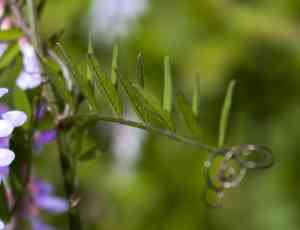
Carolina vetch (Vicia caroliniana)
Also known as: Carolina vetch
Tephrosia virginiana, also known as Goat's Rue or Catgut, is a perennial flowering plant native to the eastern United States. As a member of the Legume family, it features compound leaves and attractive, pollinator-friendly flowers. This plant bears a resemblance to a smaller, herbaceous version of the Black locust tree.
In This Article
Attributes of Carolina vetch
Lifespan
Perennial
Plant Type
Herb, Vine
Plant Height
60 cm
Spread
60 cm
Leaf Color
Green
Flower Size
8 mm to 1.3 cm
Flower Color
White Purple
Images of Carolina vetch
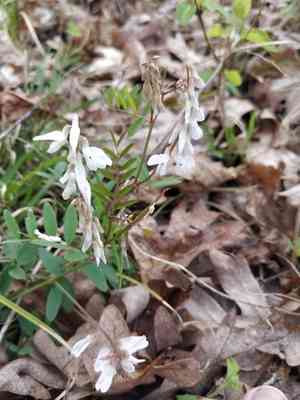
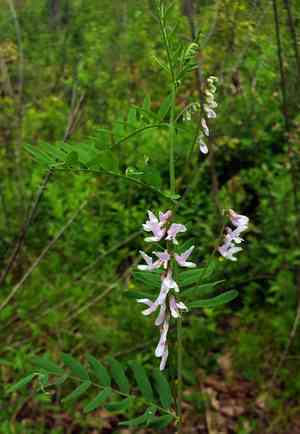
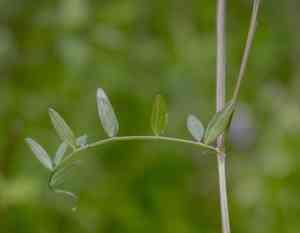
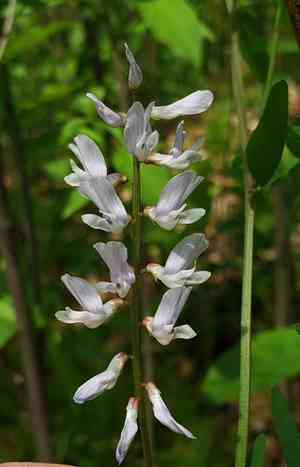
Quickly Identify Carolina vetch
1
Pinnately compound leaves with entire margins and hairy undersides for tactile identification.
2
Hollow, hairy stems with subtle wing-like features, approximately 0.1-0.2 inches (2.5-5 mm) in diameter.
3
Light pinkish-white pea-like flowers, 0.4 to 0.5 inches (10 to 13 mm) long, blooming in spring.
4
Distinct legume flower structure with banner, wings, and keel arrangement in clustered display.
5
Leaves are bright green on top, paler underneath, with clear vein patterns and alternate arrangement.
Scientific Classification of Carolina vetch
Phylum
Vascular plants
Class
Dicotyledons
Order
Fabales
Family
Legume
Genus
Vetches
Species
Carolina vetch
Planting and Growing of Carolina vetch
Care Difficulty
Easy
Watering Schedule
Every 3 days
Sunlight Requirements
Partial sun
Sunshine Duration
4-8 hours
Ideal Temperature
60-75℉
Soil Type
Potting Mix, Peat Mix
Soil pH
6.5-7.5
Fertilizer Type
Balanced
Pruning Season
Spring, Summer
Pruning Area
Branches, Leaves
Pruning Frequency
Once a year
Repotting Season
Spring
Pot Type
Plastic, Ceramic
 How to Water Carolina vetch?
When watering Vicia caroliniana, ensure to provide approximately 250 milliliters per session. The key is to moisten the top few inches of soil without making it soggy, as this species favors well-drained environments.
What are the symptoms of an underwatered Carolina vetch?
›
What should I do if my Carolina vetch is not getting enough water?
›
What are the symptoms of an overwatered Carolina vetch?
›
How to save an overwatered Carolina vetch?
›
 What Are the Sunlight Requirements for Carolina vetch?
The ideal light range for Vicia caroliniana is partial sun to full shade, providing just enough light for photosynthesis without overwhelming the plant, which supports strong growth and flowering.
More About Sunlight Requirements Techniques→
What are the best lighting conditions for Vicia caroliniana?
›
How can you recreate ideal lighting conditions for Vicia caroliniana indoors?
›
What are the benefits of providing ideal lighting to Vicia caroliniana?
›
 What Is the Ideal Temperature Range for Carolina vetch?
The ideal temperature range for Vicia caroliniana is between 60°F and 75°F. This range allows the plant to grow efficiently, ensuring proper metabolic functions and photosynthesis. Keeping temperatures within this range can facilitate robust plant health and vitality.
 What Soil is Best for Carolina vetch?
Vicia caroliniana thrives in well-draining soil, which prevents waterlogging and root rot. Such soil allows for optimal oxygenation, promoting healthy root growth and nutrient uptake. This plant benefits from moderately fertile soils that provide essential nutrients without overwhelming the plant. Balanced fertility levels contribute to robust growth and vibrant foliage. Preferring a pH range of 6.5 to 7.5, Vicia caroliniana grows best in soils that are slightly acidic to neutral. This pH level enhances nutrient availability and prevents toxic conditions.
 How to Fertilize Carolina vetch?
For Vicia caroliniana, it is best to use a balanced 10-10-10 NPK fertilizer. For liquid fertilizer, dilute it to half strength, applying about 100ml per plant each time. For slow-release fertilizers, use about 50 grams per plant annually. Monitor the plant's growth and adjust as necessary.
 How to Prune Carolina vetch?
Inspect the plant for any dead or damaged stems and leaves. These areas should be the first to go as they can hinder overall plant health. Cut back any stems that extend beyond the desired shape of your Vicia caroliniana. This ensures a tidy appearance while encouraging bushier growth. To promote new growth, trim back stems just above a leaf node. This will stimulate the plant to direct energy to new shoots, enhancing overall plant vigor.
More About Pruning Techniques→
 How to Propagate Carolina vetch plant?
1
Collect seeds from mature Vicia caroliniana pods. Allow them to dry completely, ensuring they are free from moisture to prevent mold. Soak the seeds in water overnight to improve germination rates.
2
Select healthy, non-flowering stems for cuttings, preferably from the current year's growth. Remove the lower leaves and make an angled cut just below a node before planting them in a moist medium.
3
For both seeds and cuttings, plant them in a well-draining mix and keep them in a sheltered, warm area away from direct sunlight. Maintain consistent moisture without waterlogging the medium.
 How to Repot Carolina vetch plant?
1
Vicia caroliniana should be repotted when its roots begin to outgrow its current pot, typically visible as roots protruding from the drainage holes. Another sign is when water takes too long to drain from the pot, indicating poor soil health or compaction. Ideally, repotting should occur during early spring or autumn when the plant is not in its active bloom cycle, ensuring minimal stress.
2
Select a pot that is about 2 inches larger in diameter than the current one. This size allows the roots ample space to grow without the risk of waterlogging due to excessive soil volume. Choose a pot with adequate drainage holes to facilitate optimal water flow and prevent root rot, promoting a healthy root system.
3
Opt for a well-draining loamy soil mix enriched with organic matter. A balanced mix helps retain essential moisture without becoming waterlogged, thus preventing root rot. Incorporating organic matter ensures a steady supply of nutrients, promoting robust growth and vibrant foliage.
Learn More About Carolina vetch Diseases
Anthracnose
Bacterial Leaf Spot
Bacterial Wilt
Crown Gall
Cyst Nematode
Damping-off
Downy Mildew
Drought Stress
Fusarium Wilt
Gray Mold
Leaf Curl
Leaf Spot
Mosaic
Nutrient Deficiency
Nutrient Toxicity
Powdery Mildew
Root Rot
Root-knot Nematode
Rusts
Sooty Mold
Spider Mites
Temperature Stress
Thrips Damage
White Mold
Chemical Injury



