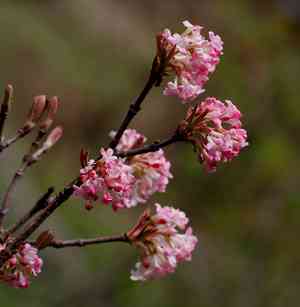
Viburnum (Viburnum) (Viburnum)
Also known as: Arrowwood, Cranberry bush
Lilacs (Syringa) are popular, fragrant flowering plants with numerous species and cultivars often found in home gardens. They typically bloom in spring, showcasing flowers that can range in color from white to deep purple. While commonly grown as shrubs, some varieties of lilac can grow into small trees.
In This Article
Attributes of Viburnum (Viburnum)
Lifespan
Perennial
Plant Height
3 m
Spread
3 m
Leaf Color
Green
Flower Size
5 to 10 centimeters (2 to 4 inches)
Flower Color
White, Pink
Images of Viburnum (Viburnum)
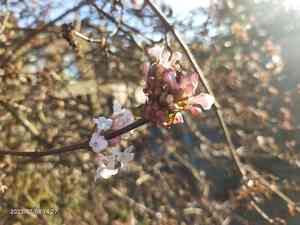
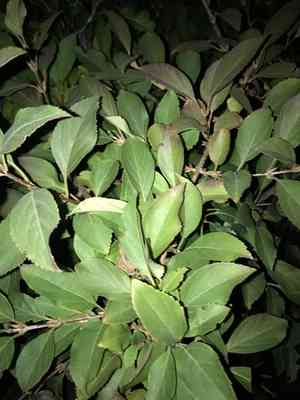
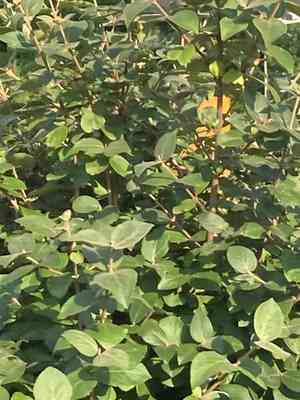
Quickly Identify Viburnum (Viburnum)
1
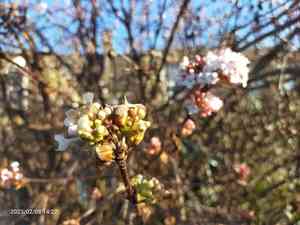
Viburnum can be recognized by their opposite leaves, white or pinkish clustered flowers, and berry-like drupes. The leaves are simple and often serrated.
Scientific Classification of Viburnum (Viburnum)
Phylum
Magnoliophyta
Class
Magnoliopsida
Order
Dipsacales
Family
Adoxaceae
Genus
Viburnum
Planting and Growing of Viburnum (Viburnum)
Care Difficulty
Moderate
Watering Schedule
Every 4 days
Sunlight Requirements
Full sun
Sunshine Duration
4-8 hours
Ideal Temperature
50-70℉
Soil Type
Potting Mix, Peat Mix
Soil pH
6.5-7.5
Fertilizer Type
Balanced
Pruning Season
Spring, Summer
Pruning Area
Branches, Leaves
Pruning Frequency
2 times a year
Repotting Season
Spring
Pot Type
Plastic, Ceramic
 How to Water Viburnum (Viburnum)?
Viburnum requires moderate watering, ensuring that the soil is consistently moist but never waterlogged. It's essential to let the top 1-2 inches of soil dry out between waterings. This practice helps mimic its natural environment and promotes healthy root growth.
What are the symptoms of an underwatered Viburnum (Viburnum)?
›
What should I do if my Viburnum (Viburnum) is not getting enough water?
›
What are the symptoms of an overwatered Viburnum (Viburnum)?
›
How to save an overwatered Viburnum (Viburnum)?
›
 What Are the Sunlight Requirements for Viburnum (Viburnum)?
Viburnum appreciates full to partial sun, receiving at least four hours of sun. This light regimen promotes dense growth and prolific flowering.
What is the best light for Viburnum?
›
How can I achieve ideal lighting for Viburnum?
›
What benefits arise from ideal lighting conditions?
›
 What Is the Ideal Temperature Range for Viburnum (Viburnum)?
For optimal growth, Viburnum plants thrive best in temperatures ranging from 50 to 70 degrees Fahrenheit. These conditions mimic their native environment and allow for proper metabolic and photosynthetic processes. Staying within this range helps control other environmental factors such as humidity and soil moisturE, ensuring robust growth.
 What Soil is Best for Viburnum (Viburnum)?
Viburnum thrives in well-draining soil which prevents waterlogging and root rot, promoting healthy growth. Quality drainage facilitates oxygen reaching the roots, crucial for optimal plant health. A nutrient-rich soil supports Viburnum’s lush foliage and flowering. Essential nutrients, including nitrogen, phosphorus, and potassium, ensure vigorous growth and robust flowering during blooming seasons. The presence of organic matter enhances soil fertility and water retention, beneficial for sustaining Viburnum during dry periods. Compost or well-rotted manure can enrich soil structure, supporting sustained plant health.
 How to Fertilize Viburnum (Viburnum)?
For Viburnum, it's crucial to avoid over-fertilizing, as this plant prefers a modest amount of nutrients. Typically, a balanced 10-10-10 or 14-14-14 NPK fertilizer works well. Apply about one pound per inch of the trunk diameter, carefully distributing it at the base without touching the trunk.
 How to Prune Viburnum (Viburnum)?
Start by identifying and removing any dead or diseased wood. Follow the branch to the point where it originates from the main stem and make a clean cut. This not only improves the plant’s appearance but also its overall health. If the Viburnum is overly dense, thin out interior branches to improve air circulation and light penetration. This involves selectively removing some branches back to the main trunk, focusing on areas with overlapping or crossing branches. To maintain the desired shape, trim back the longer shoots to just above a bud. The exact shape will depend on the specific type of Viburnum and your growing space, but typically, you want to encourage a natural look rather than a formal hedge.
 How to Propagate Viburnum (Viburnum) plant?
1
Collect viburnum seeds in the late autumn for the best results. Gently remove them from the fruit and rinse off any flesh residue. It’s important to dry the seeds before storing them in a cool, dry place.
2
Select a healthy, semi-hardened stem, about 4-6 inches long. Remove leaves from the bottom half of the cutting. Dip the cut end into rooting hormone powder to stimulate root growth.
3
Choose a low growing branch that's flexible and healthy. Bury a section of the branch in soil, leaving 6-12 inches of the tip exposed. Secure with a garden pin or stone, and water regularly until roots develop.
 How to Repot Viburnum (Viburnum) plant?
1
Viburnum needs repotting when its roots begin circling the container, or it starts to exhibit stunted growth. Spring and autumn are ideal seasons because the plant is not in its peak growth period, which helps reduce stress.
2
Select a pot that's one size larger than the current one and ensures it has drainage holes. Using a bigger pot prevents root binding and allows for expansion, fostering healthier growth and preventing root rot.
3
Opt for a well-draining soil mix enriched with organic matter. Adequate drainage prevents waterlogging, preserving root health, while organic matter ensures essential nutrients are available, boosting overall plant vigor.
Toxicity
Ingestion
WARNING
The judgment on toxicity and danger is for reference only. We DO NOT GUARANTEE any accuracy of such judgment. Therefore, you SHALL NOT rely on such judgment. It is IMPORTANT TO SEEK PROFESSIONAL ADVICE in advance when necessary.

