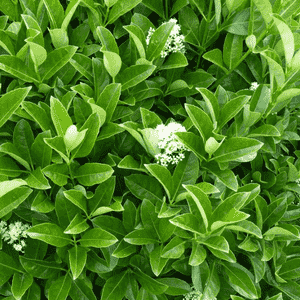
Sweet viburnum (Viburnum odoratissimum)
Also known as: Sweet Viburnum
Sweet viburnum (Viburnum odoratissimum) is originally from Asia, specifically China, India, and Japan. It is widely grown as an ornamental plant in gardens around the world. This small tree or large shrub flourishes in warm climates with well-drained soil and ample sunlight. It is relatively low-maintenance but can be adversely affected by frosty or cold conditions.
In This Article
Attributes of Sweet viburnum
Lifespan
Perennial
Plant Type
Shrub
Plant Height
10 m to 15 m
Spread
4.5 m to 8 m
Leaf Color
Green Blue
Flower Size
5 to 8 mm (individual flower)
Flower Color
White
Images of Sweet viburnum
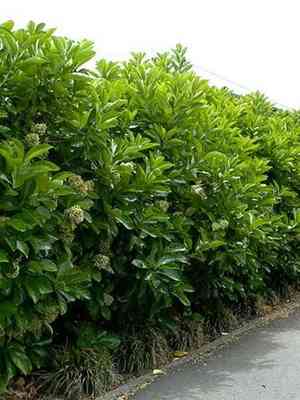
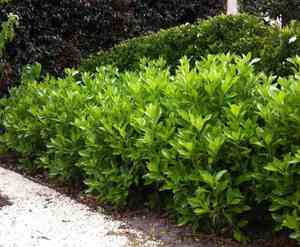
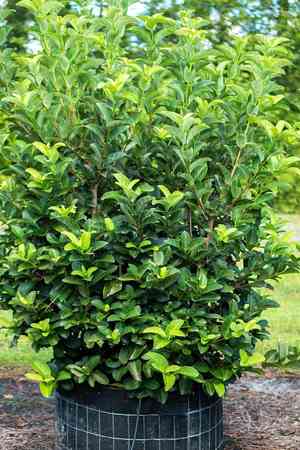
Quickly Identify Sweet viburnum
1
Large, leathery leaves with a dark green hue and glossy finish.
2
Clusters of fragrant, white, funnel-shaped flowers in conical panicles.
3
Small, spherical drupes starting red and maturing to black, with a single seed.
4
Oppositely arranged leaves measuring 4-8 inches long and 2-4 inches wide.
5
Delicate bark with smooth texture, gray to brown color, and thin, layered outer covering.
Scientific Classification of Sweet viburnum
Phylum
Vascular plants
Class
Dicotyledons
Order
Honeysuckles, moschatels and allies
Family
Moschatel
Genus
Viburnum
Species
Sweet viburnum
Planting and Growing of Sweet viburnum
Care Difficulty
Easy
Watering Schedule
Every 8 days
Sunlight Requirements
Full sun
Sunshine Duration
6-10 hours
Ideal Temperature
65-75℉
Soil Type
Potting Mix, Peat Mix
Soil pH
6.5-7.5
Fertilizer Type
Balanced
Pruning Season
Spring, Summer
Pruning Area
Branches, Leaves
Pruning Frequency
2 times a year
Repotting Season
Spring
Pot Type
Plastic, Ceramic
 How to Water Sweet viburnum?
For Viburnum odoratissimum, it is essential to water thoroughly but infrequently. This plant thrives when its soil is moist yet well-drained. Ensure each watering session provides about 500 ml, enough to moisten the soil to a depth of several inches, encouraging deep root growth without waterlogging.
More About Watering Techniques→
What are the symptoms of an underwatered Sweet viburnum?
›
What should I do if my Sweet viburnum is not getting enough water?
›
What are the symptoms of an overwatered Sweet viburnum?
›
How to save an overwatered Sweet viburnum?
›
 What Are the Sunlight Requirements for Sweet viburnum?
While Viburnum odoratissimum tolerates variations, the ideal light is full sun to partial sun. This range ensures a balance between strong growth and protective shade.
More About Sunlight Requirements Techniques→
What are ideal sunlight conditions?
›
How can you provide ideal lighting?
›
What benefits from ideal lighting?
›
 What Is the Ideal Temperature Range for Sweet viburnum?
The ideal temperature range for Viburnum odoratissimum, often known as Sweet Viburnum, is between 65 to 75°F. This range allows the plant to perform photosynthesis efficiently and maintain optimal metabolic rates. Within this range, the plant's physiological processes, such as nutrient uptake and cell growth, are at their peak, promoting lush foliage and fragrant blooms. This temperature range is similar to the subtropical climates where this species naturally thrives, providing a suitable environment for its growth and survival.
 What Soil is Best for Sweet viburnum?
Viburnum odoratissimum thrives in well-drained soils, which prevent root rot and other moisture-related issues. Proper drainage ensures the roots receive ample oxygen, promoting healthy growth and vibrant foliage. The plant benefits from nutrient-rich soils that provide essential minerals for growth. Nutrient availability supports robust flowering and ensures a strong plant structure, contributing to long-term health and vitality. While Viburnum odoratissimum appreciates rich soil, it flourishes in moderately fertile substrates as well. Over-fertilization can lead to excessive leaf growth at the expense of flowers, so balanced fertility is key.
More About Soil→
 How to Fertilize Sweet viburnum?
Viburnum odoratissimum benefits from a balanced fertilizer application. For liquid fertilizers, use a quarter strength dilution (about 500 ml per plant). For granular fertilizers, apply about 50 grams per square meter. Make sure to adjust the amount based on the size and age of the plant.
More About Fertilizing Techniques→
 How to Prune Sweet viburnum?
Look for dead, diseased, or crossed branches to remove first. These can hinder the growth of healthy branches and affect the overall wellbeing of the plant. To maintain a natural form, prune evenly around the plant, focusing on cutting above outward-facing buds to encourage outward growth. This technique helps the plant retain its natural shape and fullness. Remove any suckers around the base of the plant. These shoots can drain energy from the main plant and prevent it from thriving as they compete for resources.
 How to Propagate Sweet viburnum plant?
1
Choose healthy, semi-ripe stems about 10-15 cm long from the current season's growth. Avoid taking cuttings with flowers or buds as they require more energy to sustain.
2
Remove the lower leaves and dip the cut end in rooting hormone to stimulate root production. Make sure the base cut is clean and at a slight angle.
3
Place the prepared cutting in a pot filled with moist, well-drained soil. Ensure the soil is firm around the cutting to hold it in place, maintaining soil contact for root growth.
 How to Repot Sweet viburnum plant?
1
Repotting Viburnum odoratissimum should be considered when you notice roots sprawling out of the drainage holes or when growth seems stunted. Early spring or autumn are optimal seasons as these periods allow the plant to recover with minimal stress, encouraging strong growth in the following season.
2
When selecting a pot for Viburnum odoratissimum, opt for one slightly larger than the current pot with ample drainage holes. This ensures proper root expansion and prevents waterlogging, thus providing an environment conducive to healthy growth and preventing root rot.
3
Opt for a well-drained loamy soil to ensure the roots receive adequate air and water. The balanced texture of loamy soil prevents compaction while retaining essential nutrients, promoting healthy plant growth and reducing the likelihood of diseases.
Learn More About Sweet viburnum Diseases
Anthracnose
Bacterial Leaf Spot
Crown Gall
Damping-off
Downy Mildew
Drought Stress
Fusarium Wilt
Gray Mold
Leaf Curl
Leaf Spot
Mosaic
Nutrient Deficiency
Nutrient Toxicity
Powdery Mildew
Root Rot
Root-knot Nematode
Rusts
Sooty Mold
Spider Mites
Temperature Stress
Thrips Damage
White Mold
Chemical Injury



