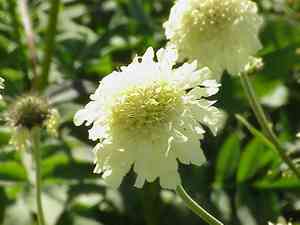
Smooth witherod (Viburnum nudum)
Also known as: Witherod viburnum, Southern wild raisin
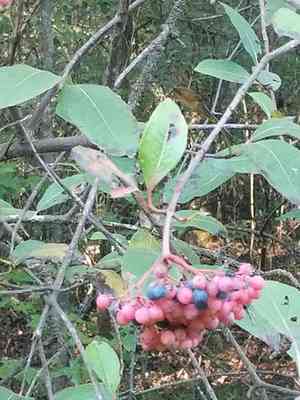
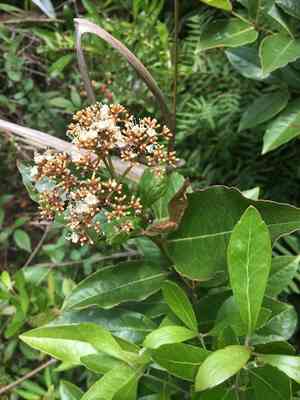
Smooth witherod (Viburnum nudum) is a deciduous shrub that reaches heights of 5 to 12 feet. It naturally thrives in boggy and wet woodland areas. For optimal growth, it prefers full sun to partial shade and acidic, moist, well-drained soils. In late spring to early summer, the shrub produces clusters of attractive, fragrant white to pinkish flowers. As fall approaches, it bears ornamental berries that transition from green to pink to blue-black, adding seasonal interest and providing a food source for wildlife.
Attributes of Smooth witherod
Images of Smooth witherod
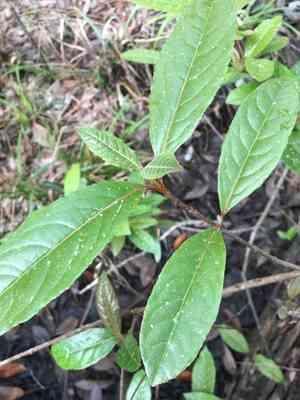
Quickly Identify Smooth witherod
Scientific Classification of Smooth witherod
Planting and Growing of Smooth witherod
 How to Water Smooth witherod?
 What Are the Sunlight Requirements for Smooth witherod?
 What Is the Ideal Temperature Range for Smooth witherod?
 What Soil is Best for Smooth witherod?
 How to Fertilize Smooth witherod?
 How to Prune Smooth witherod?
 How to Propagate Smooth witherod plant?
 How to Repot Smooth witherod plant?
Toxicity of Smooth witherod
Is Smooth witherod toxic to humans?
The smooth witherod possesses berries that are regarded as mildly toxic prior to full ripening. These berries are rich in polyphenols which may lead to stomach irritation, resulting in symptoms such as nausea, excessive salivation, abdominal pain, diarrhea, and vomiting when consumed in sufficient quantities. For safety reasons, they should be kept out of reach of children and individuals with cognitive impairments. One of the significant dangers posed by the smooth witherod is not merely its toxicity, but its striking similarity to the highly poisonous poison sumac. This serves as yet another compelling rationale to abstain from consuming its berries.



