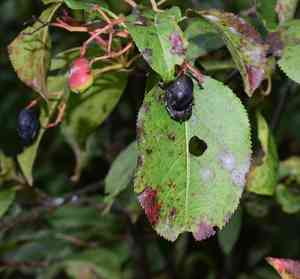
Nannyberry (Viburnum lentago)
Also known as: Sweet viburnum, Wild raisin, Blackhaw, Nanny Plum
The nannyberry bush, or Viburnum lentago, is notable for its lush green leaves that turn a striking red in the fall. It produces uniquely flavored, edible berries that appear somewhat wrinkled when ripe. Sometimes referred to as sheepberry, this plant's berries are known to emit a scent reminiscent of wet sheep’s wool when they become overripe.
Attributes of Nannyberry
Images of Nannyberry
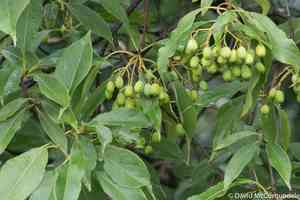

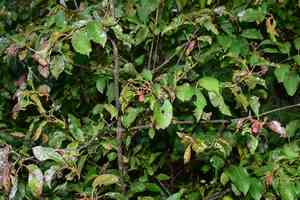

Quickly Identify Nannyberry
Scientific Classification of Nannyberry
Toxicity of Nannyberry
Is Nannyberry toxic to humans?
The nannyberry bush produces berries that are regarded as mildly toxic, particularly when they have not reached full ripeness. These berries are rich in polyphenols and contain certain salicin compounds. Consumption of a significant quantity can lead to stomach irritation, resulting in symptoms such as nausea, excessive salivation, abdominal pain, diarrhea, and vomiting. It is advisable to keep these berries out of reach of children, individuals with cognitive impairments, and those who are sensitive to aspirin should also exercise caution in the presence of this plant.

