Hobble-Bush (Viburnum lantanoides)
Also known as: Alder-Leaved Viburnum, American Wayfaring Tree
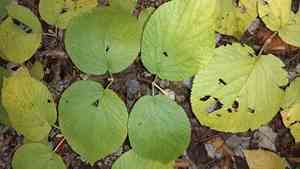
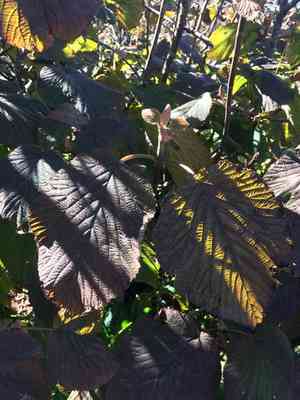
The name "hobblebush" for Viburnum lantanoides is derived from its extensive, low-growing branches that can trip and "hobble" passersby. This deciduous shrub typically reaches heights of 91 to 183 cm. In the spring, it produces clusters of fragrant white flowers, followed by edible red berries that mature to a deep purple by fall. The foliage also transitions from bronze-red to purple as the seasons change.
Attributes of Hobble-Bush
Images of Hobble-Bush
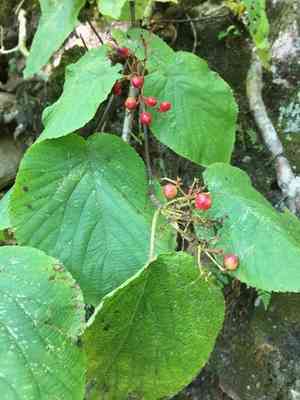
Quickly Identify Hobble-Bush
Scientific Classification of Hobble-Bush
Planting and Growing of Hobble-Bush
 How to Water Hobble-Bush?
 What Are the Sunlight Requirements for Hobble-Bush?
 What Is the Ideal Temperature Range for Hobble-Bush?
 What Soil is Best for Hobble-Bush?
 How to Fertilize Hobble-Bush?
 How to Prune Hobble-Bush?
 How to Propagate Hobble-Bush plant?
 How to Repot Hobble-Bush plant?
Toxicity of Hobble-Bush
Is Hobble-Bush toxic to cat?
The 'hobble-Bush' presents a mild level of toxicity for felines. Incidents typically arise when cats consume substantial amounts of this plant, particularly the fruits, which contain the toxic elements. A cat that has ingested 'hobble-Bush' may display symptoms of physical discomfort or illness that should raise concerns. It is vital for cat owners to be aware of the potential dangers and to carefully monitor their pets for any signs of distress. Taking prompt action is vital; if there is a suspicion of poisoning, seeking immediate veterinary assistance is crucial to safeguard the animal's health and well-being.
Is Hobble-Bush toxic to dog?
The plant species known as hobble-Bush is recognized for its mild toxicity to dogs. If dogs ingest large quantities of this plant, particularly its fruits, which are the most toxic components, they can suffer from poisoning. Following the consumption of a substantial amount of hobble-Bush fruits, dogs may show symptoms consistent with toxicity. These symptoms can include gastrointestinal disturbances, such as vomiting and diarrhea, along with lethargy, or even more serious manifestations based on the quantity ingested. It is essential for dog owners to keep a close eye on their pets and restrict their access to these fruits in order to prevent potential poisoning occurrences. Should a dog consume hobble-Bush and exhibit negative reactions, it is vital to seek prompt veterinary care to safeguard the health and well-being of the pet.



