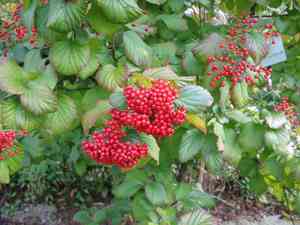
Linden Arrowwood(Viburnum dilatatum)

Linden Arrowwood (Viburnum dilatatum)

Also known as: Linden Viburnum, Linden Arrowwood

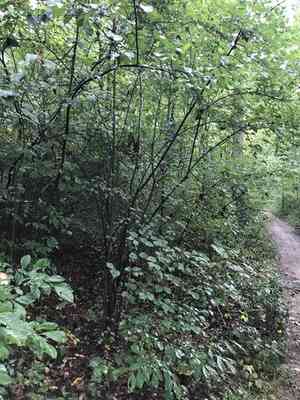
The Linden Arrowwood (Viburnum dilatatum) is a deciduous shrub that typically reaches heights of 1.8 to 2.5 meters. It features clusters of small, creamy white flowers that bloom from late spring to early summer, adding a touch of fragrance to the garden. In autumn, the shrub produces striking red berries that attract birds, enhancing its appeal to wildlife enthusiasts.

During the growing season, the dark green leaves provide a lush backdrop, transitioning to beautiful shades of bronze and burgundy-red in the fall, offering seasonal visual interest. To ensure ample berry production, it's advisable to plant multiple shrubs in proximity.

Overall, the Linden Arrowwood is appreciated for its ornamental beauty, seasonal foliage changes, and its ability to support local bird populations.

Attributes of Linden Arrowwood

Lifespan
Perennial
Plant Type
Shrub
Plant Height
1.5 m to 3 m
Spread
1.8 m to 2.5 m
Leaf Color
Green
Flower Size
4 cm to 10 cm
Flower Color
White

PlantJoy - Identify plants with a snap

Identify and diagnose plants, get toxicity alerts, and explore safety guides for all types of fungi.

Try for Free

Images of Linden Arrowwood

Linden Arrowwood(Viburnum dilatatum)

Quickly Identify Linden Arrowwood

1
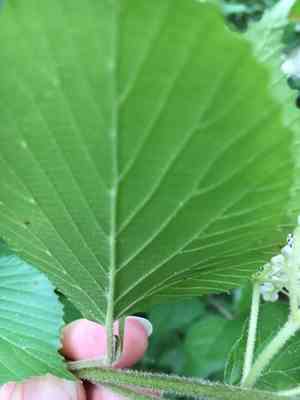
Broad linden-like leaves, 2-5 inches (5-13 cm) long, with coarsely dentate margins and hairy surfaces.
2
Creamy-white flowers in 3-5 inch (7.6-12.7 cm) flattened clusters, blooming late spring.
3
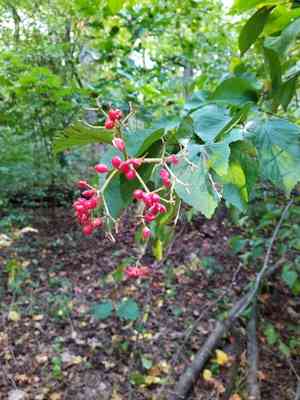
Vibrant red berries, 1/3 inch (8.5 mm) diameter, in large persistent clusters.
4
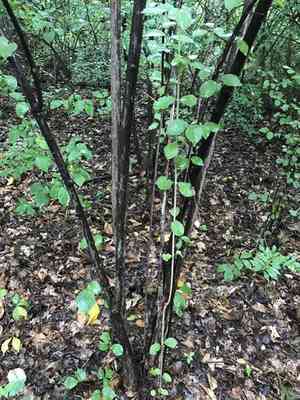
Distinctive brown stems with orange lenticels, densely hairy, 0.2-0.4 inches (5-10 mm) diameter.
5
Robust trunk with gray-brown bark, fine scales and fissures, 2-3 inches (5-7.5 cm) diameter.

Scientific Classification of Linden Arrowwood

Phylum
Vascular plants
Class
Dicotyledons
Order
Dipsacales
Family
Moschatel
Genus
Viburnum
Species
Linden Arrowwood

Planting and Growing of Linden Arrowwood

Care Difficulty
Easy
Watering Schedule
Every 4 days
Sunlight Requirements
Partial sun
Sunshine Duration
4-8 hours
Ideal Temperature
60-75℉
Soil Type
Potting Mix, Peat Mix
Soil pH
6.5-7.5
Fertilizer Type
Balanced
Pruning Season
Spring, Summer
Pruning Area
Branches, Leaves
Pruning Frequency
2 times a year
Repotting Season
Spring
Pot Type
Plastic, Terracotta

water icon How to Water Linden Arrowwood?

For Viburnum dilatatum, you should water until the soil feels consistently moist but not waterlogged. This typically means providing around 500 ml of water per session, ensuring the water reaches the deeper roots.
What are the symptoms of an underwatered Linden Arrowwood?
What should I do if my Linden Arrowwood is not getting enough water?
What are the symptoms of an overwatered Linden Arrowwood?
How to save an overwatered Linden Arrowwood?

sunlight icon What Are the Sunlight Requirements for Linden Arrowwood?

Sunlight Requirements: Partial sun, Full sun
Duration of light: 6 to 8 hours
Viburnum dilatatum benefits from partial to full sun, experiencing enhanced growth and flowering. Ideal light enables effective photosynthesis, bolstering plant health and flower production.
What is the ideal light level for Viburnum dilatatum?
How can you ensure Viburnum dilatatum receives its ideal light?
What benefits does Viburnum dilatatum gain from ideal light?
More About Sunlight Requirements Techniques

temperature icon What Is the Ideal Temperature Range for Linden Arrowwood?

Ideal Temperature: 60 ~ 75℉
Viburnum dilatatum flourishes best when temperatures are maintained within the range of 60°F to 75°F. This range mimics its natural environment, fostering optimal growth and foliage development. Consistency within this range ensures robust growth and promotes vibrant flowering.

soil icon What Soil is Best for Linden Arrowwood?

Soil type: Sandy loam, Loam
Soil PH: 6.5 ~ 7.5
Viburnum dilatatum thrives in well-drained soils that prevent water from accumulating around its roots. Proper drainage is crucial to avoid root rot and to ensure that the plant receives adequate oxygen, which promotes healthy root growth and vitality. Ample organic matter is beneficial for Viburnum dilatatum, as it improves soil fertility and structure. This plant flourishes with nutrient-rich substrates that also help retain moisture, providing a stable environment for robust growth. While good drainage is important, maintaining soil moisture is equally vital for Viburnum dilatatum. Consistent moisture helps sustain plant health, especially during dry spells. It balances between water retention and drainage, ensuring the plant remains hydrated without being waterlogged.

fertilize icon How to Fertilize Linden Arrowwood?

Fertilizer type: Balanced
When applying fertilizer to Viburnum dilatatum, it's important to strike a balance. A generous dose is 0.25 to 0.5 pounds per square yard of soil, which provides ample nutrients without overwhelming the plant. Adjust according to soil test results for best accuracy.

prune icon How to Prune Linden Arrowwood?

Pruning Time: Spring, Summer, Autumn
Initially, take out any branches that are dead, diseased, or damaged. Clearing these helps enhance air circulation and light penetration, promoting healthier overall growth. Focus on maintaining the natural shape by trimming overly long branches and thinning out dense areas. This encourages new growth and helps the plant retain its round, bushy appearance. Conduct major pruning soon after flowering in late spring or early summer to minimize impact on next year's blooms. Minor trims can be done lightly to maintain shape during summer. More About Pruning Techniques

propagate icon How to Propagate Linden Arrowwood plant?

Propagate Time: Spring,Late spring,Early spring
1
To prepare seeds for propagation, soak them in water for 24 hours to soften the seed coat. This helps in quicker germination once they are sown in the soil.
2
Select healthy, non-flowering stems and cut sections about 10-15 cm long. Remove the lower leaves and dip the cut end in rooting hormone before planting them in a suitable medium.
3
Insert the cuttings into a mix of peat and perlite. Ensure the medium is moist but not waterlogged. Place the container in indirect sunlight and maintain humidity using a plastic cover.
More About Propagating Techniques

repot icon How to Repot Linden Arrowwood plant?

Repotting frequency: Every 2-3 years
1
Repotting Viburnum dilatatum typically takes place when the plant shows signs of becoming root-bound, such as roots emerging from the drainage holes or a noticeable slowdown in growth. Ideally, repotting should happen during the spring or autumn seasons, when the plant is not in full bloom yet actively growing roots. These timings allow the plant to settle in the new potting mix without stress.
2
Select a pot that is 1 to 2 inches larger in diameter than the current one to allow for root expansion. It's crucial to choose a container with adequate drainage holes to prevent water stagnation, which can cause root rot. A lightweight material like plastic can minimize handling weight, while ceramic or terracotta adds stability and aesthetic appeal. The right pot enables proper air circulation to the roots, encouraging healthy growth.
3
Opt for a well-draining potting mix with a neutral pH to prevent waterlogging, which Viburnum dilatatum does not tolerate well. A mix containing loam, peat, and a component like perlite or sand for drainage is ideal. This soil structure ensures optimal moisture retention and aeration, promoting robust root health, which is essential for the plant's overall vitality.

PlantJoy - Identify plants with a snap

Find the best spots for them to optimize their health, simply using your phone.

Try for Free