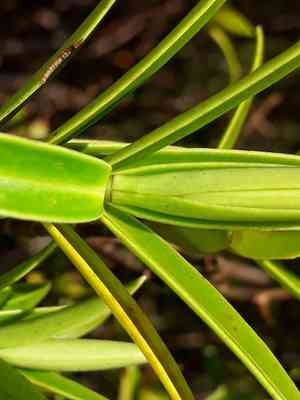
Veronica truncatula (Veronica truncatula)
Also known as: Speedwell
Veronica truncatula is a rare shrub native to New Zealand. The name trunculata is Latin for "truncate" and refers to the shape of the plant's leaf apex. The plant's seeds are spread by the wind. This shrub is classed as "At Risk – Naturally Uncommon" under the New Zealand Threat Classification System.
In This Article
Attributes of Veronica truncatula
Lifespan
Annual
Plant Type
Herb
Plant Height
10-30 cm
Spread
10-25 cm
Leaf Color
Green
Flower Size
5-10 mm
Flower Color
Blue to Violet
Images of Veronica truncatula
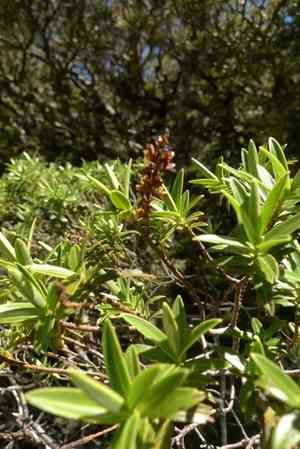
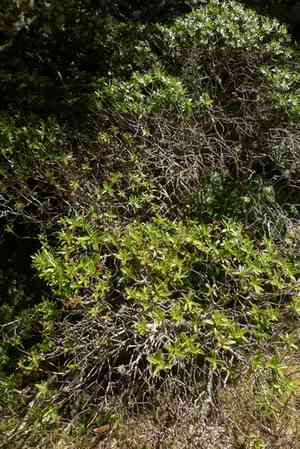
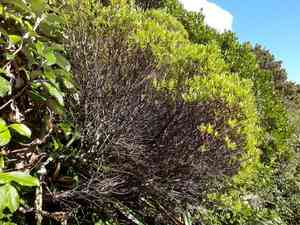
Quickly Identify Veronica truncatula
1
To identify Veronica truncatula, look for its small lance-shaped leaves, blue to violet flowers with four petals, and its upright or slightly sprawling growth habit.
Scientific Classification of Veronica truncatula
Phylum
Vascular plants
Class
Dicotyledons
Order
Lamiales
Family
Plantain
Genus
Speedwells
Species
Veronica truncatula
Planting and Growing of Veronica truncatula
Care Difficulty
Moderate
Watering Schedule
Every 2 days
Sunlight Requirements
Partial sun
Sunshine Duration
4-8 hours
Ideal Temperature
60-70℉
Soil Type
Potting Mix, Peat Mix
Soil pH
6.5-7.5
Fertilizer Type
Balanced
Pruning Season
Spring, Summer
Pruning Area
Branches, Leaves
Pruning Frequency
Once a year
Repotting Season
Spring
Pot Type
Plastic, Ceramic
 How to Water Veronica truncatula?
When watering Veronica truncatula, it is essential to ensure the soil is consistently moist but not waterlogged. The ideal watering practice is to provide approximately 300 milliliters in a single session, ensuring water reaches the roots without leaving the soil soggy. Gauge moisture levels by feeling the top layer of soil; it should feel slightly dry before the next watering.
What are the symptoms of an underwatered Veronica truncatula?
›
What should I do if my Veronica truncatula is not getting enough water?
›
What are the symptoms of an overwatered Veronica truncatula?
›
How to save an overwatered Veronica truncatula?
›
 What Are the Sunlight Requirements for Veronica truncatula?
Partial to full sun is ideal for Veronica truncatula. Such conditions enhance its growth, boosting flowering and ensuring plant resilience by fostering balanced energy production through photosynthesis.
What are the ideal lighting conditions for Veronica truncatula?
›
How can I ensure my plant receives optimal lighting?
›
What benefits will ideal lighting bring to Veronica truncatula?
›
 What Is the Ideal Temperature Range for Veronica truncatula?
The ideal temperature range for Veronica truncatula is between 60°F and 70°F. This range allows the plant to thrive, supporting optimal photosynthesis and growth. Within this range, the plant's cellular functions operate efficiently, which promotes healthy leaf development and flowering. It is important to maintain consistent temperatures within this range to avoid stressing the plant.
 What Soil is Best for Veronica truncatula?
Veronica truncatula thrives in well-draining soil, which prevents root rot by allowing excess water to flow away. This is crucial as it ensures the plant roots receive adequate oxygen, promoting healthy growth. Providing a soil rich in organic matter enhances the availability of essential nutrients. This boosts the plant's vigor, leading to vibrant blooms and robust foliage. Maintaining a slightly acidic to neutral pH range between 6.5 to 7.5 is optimal. Such conditions support nutrient uptake, ensuring the Veronica truncatula enjoys a balanced diet of minerals.
 How to Fertilize Veronica truncatula?
For Veronica truncatula, it's crucial to avoid over-fertilizing. Use liquid fertilizer at half the manufacturer's recommended concentration for flowering plants. Apply 100 ml of this solution per plant, ensuring the soil is moist beforehand to enhance nutrient absorption.
 How to Prune Veronica truncatula?
Begin by removing any dead or diseased stems. Cut back to a healthy section of the stem, making clean cuts at a slight angle to prevent water accumulation. Regularly trim back the plant to maintain its shape and prevent it from getting leggy. Cut just above nodes to encourage bushier growth. Prune any crowded branches to improve air circulation within the plant, reducing the potential for fungal infections and promoting healthy growth.
More About Pruning Techniques→
 How to Propagate Veronica truncatula plant?
1
Collect seeds from mature plants and sow them in well-draining soil. Place the seed trays in a warm, bright location but away from direct sunlight. Keep the soil consistently moist until germination occurs.
2
Select healthy stems with several leaf nodes. Use sharp shears to cut a 3-4 inch segment just below a node. Remove any lower leaves and dip the cut end in rooting hormone before planting in a suitable growing medium.
3
In early spring, dig up established plants and gently separate them into smaller clumps. Ensure each division has adequate roots and foliage. Replant divisions promptly in their new location or container.
 How to Repot Veronica truncatula plant?
1
Repot Veronica truncatula when you notice roots growing through the bottom of the pot or the plant has slowed in growth. This typically occurs every couple of years. Look for these signs in the spring or early summer, allowing ample time for recovery and new growth in the warm months.
2
Choose a pot that is one size larger than the current one, ensuring it has drainage holes. A pot that's too large can hold excess moisture, leading to root rot, while a too-small pot will restrict root growth. The right-sized pot promotes good airflow and prevents waterlogging, crucial for healthy plant development.
3
Opt for a well-draining potting mix composed of peat, perlite, and some organic matter. This mixture ensures the plant's roots receive enough oxygen while preventing excess moisture that could cause root rot. A light and airy soil mix encourages robust root development, key to a thriving Veronica truncatula.
Learn More About Veronica truncatula Diseases
Anthracnose
Bacterial Leaf Spot
Bacterial Soft Rot
Bacterial Wilt
Black Spot
Chemical Injury
Damping-off
Downy Mildew
Drought Stress
Fusarium Wilt
Gray Mold
Leaf Curl
Leaf Spot
Mosaic
Nutrient Deficiency
Nutrient Toxicity
Powdery Mildew
Root Rot
Root-knot Nematode
Rusts
Sooty Mold
Spider Mites
Temperature Stress
Thrips Damage
White Mold


