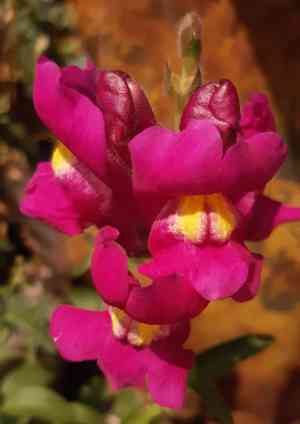
Finger speedwell (Veronica triphyllos)
Also known as: None
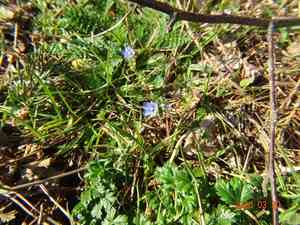
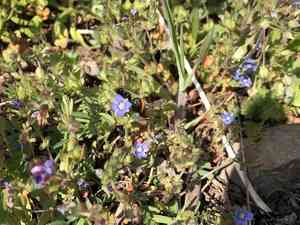
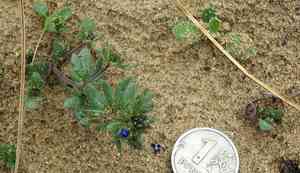
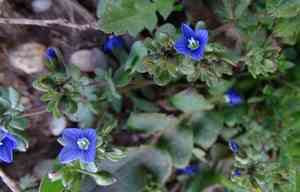
The leaves are deeply divided and typically less than a centimeter long. They are hairy and arranged in opposite pairs along the stem. At the top of the stem, the plant produces small, deep blue flowers only a few millimeters across.
In This Article
Attributes of Finger speedwell
Lifespan
Annual
Plant Type
Herb
Plant Height
10-30 cm
Spread
Spreading ground cover
Leaf Color
Green
Flower Size
1-2 cm
Flower Color
Blue with white center
Images of Finger speedwell
Quickly Identify Finger speedwell
1
Veronica triphyllos can be identified by its distinct trifoliate leaves, blue flowers with a white center, and its low-growing, spreading habit. The leaves are generally elongated with serrated margins.
Scientific Classification of Finger speedwell
Phylum
Vascular plants
Class
Dicotyledons
Order
Lamiales
Family
Plantain
Genus
Speedwells
Species
Finger speedwell
Planting and Growing of Finger speedwell
Care Difficulty
Easy
Watering Schedule
Every 2 days
Sunlight Requirements
Full sun
Sunshine Duration
4-6 hours
Ideal Temperature
55-70℉
Soil Type
Potting Mix, Peat Mix
Soil pH
6-7.5
Fertilizer Type
Balanced
Pruning Season
Spring, Summer
Pruning Area
Branches, Leaves
Pruning Frequency
2 times a year
Repotting Season
Spring
Pot Type
Plastic, Ceramic
 How to Water Finger speedwell?
Water Veronica triphyllos deeply enough so that about 150 ml of water penetrates the soil thoroughly to reach the root zone. The key principle here is that the soil should be moistened but not soggy, allowing roots to absorb necessary moisture and nutrients without drowning.
What are the symptoms of an underwatered Finger speedwell?
›
What should I do if my Finger speedwell is not getting enough water?
›
What are the symptoms of an overwatered Finger speedwell?
›
How to save an overwatered Finger speedwell?
›
 What Are the Sunlight Requirements for Finger speedwell?
Partial to full sunlight is ideal, ensuring the plant receives around 6-8 hours of sunlight daily. This light range supports optimal photosynthesis, vigorous growth, and lush flowering, enhancing its beauty and overall health.
What level of sunlight is best?
›
Why does it need full sun?
›
How to ensure optimal light conditions?
›
 What Is the Ideal Temperature Range for Finger speedwell?
For Veronica triphyllos, an ideal temperature range between 55°F and 70°F is perfect. This range provides the necessary warmth during the day, while cooler temperatures at night help to mimic natural conditions found in its native habitat, ensuring healthy growth and development.
 What Soil is Best for Finger speedwell?
Veronica triphyllos thrives best in soil that is rich in essential nutrients, supporting robust growth and vibrant blooms. The presence of organic matter enhances water retention and provides the necessary feeding for the plant to establish firmly. The soil should possess a well-draining ability to prevent waterlogging, which is detrimental to Veronica triphyllos. Excess moisture can cause root rot, so ensuring proper drainage enhances plant health immensely. Maintaining moderate soil moisture is crucial. While the plant demands well-drained soil, it also benefits from consistent moisture levels without extreme dryness to ensure optimal growth and vigor.
 How to Fertilize Finger speedwell?
For Veronica triphyllos, apply a balanced, general-purpose fertilizer at half the recommended strength for most garden plants. Too much fertilizer can lead to lush foliage but fewer blooms. Use approximately 1/4 teaspoon of liquid fertilizer diluted in a gallon of water per plant.
 How to Prune Finger speedwell?
Start by sanitizing your pruning tools to prevent disease spread. Focus on removing any dead or damaged stems, making clean cuts to avoid tearing the plant tissue. This encourages the growth of new, healthy branches and flowers. To maintain an appealing shape, prune back by one-third. This not only controls the size but also promotes bushier growth and better flowering. Ensure you prune just above a leaf node, as this is where new growth will emerge.
More About Pruning Techniques→
 How to Propagate Finger speedwell plant?
1
Start by preparing a well-draining soil mix suitable for Veronica triphyllos. Ensure the soil is free from pests and diseases to provide a healthy environment for seed germination or rooting cuttings.
2
Place the seeds in the prepared seed trays, lightly covering them with soil. Water gently to avoid displacing the seeds, and maintain consistent moisture but not waterlogging conditions.
3
For cutting propagation, select healthy plant stems and use sharp pruners to cut them. Remove the lower leaves to expose nodes where roots will develop. Dip the cut end in rooting hormone, if available.
 How to Repot Finger speedwell plant?
1
Veronica triphyllos should be repotted when you notice roots growing through the drainage holes or if the plant appears to be outgrowing its current pot. Another sign is when the soil has compacted significantly, leading to poor drainage and water retention issues.
2
Select a pot that is only slightly larger than the current one. It should have adequate drainage holes to prevent waterlogging, which can cause root rot. A pot made of breathable material like clay can also help regulate moisture levels and improve air circulation.
3
Opt for well-draining, loamy soil with adequate organic matter. The inclusion of sand or perlite helps prevent waterlogging and ensures that the roots receive the right amount of oxygen. This promotes healthy root growth and prevents root diseases.



