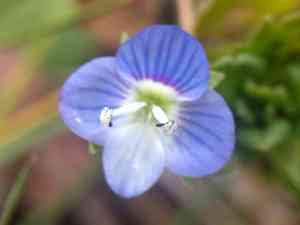
Birdeye speedwell (Veronica persica)
Also known as: Common field speedwell, Winter speedwell
Veronica persica, also known as bird's-eye speedwell, originates from Eurasia. Though now widespread globally and often seen as a weed due to its potential negative impact on soil health, its fruit is characterized by a heart-like shape, featuring two distinct lobes that diverge.
In This Article
Attributes of Birdeye speedwell
Lifespan
Annual, Biennial
Plant Type
Herb
Plant Height
10 cm to 50 cm
Spread
10 cm to 30 cm
Leaf Color
Green
Flower Size
1 cm
Flower Color
Blue White Purple
Images of Birdeye speedwell


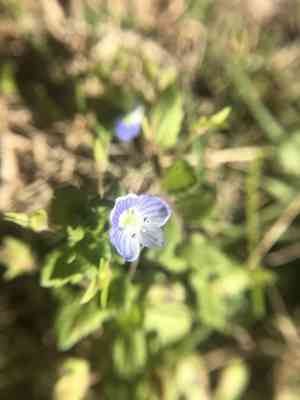
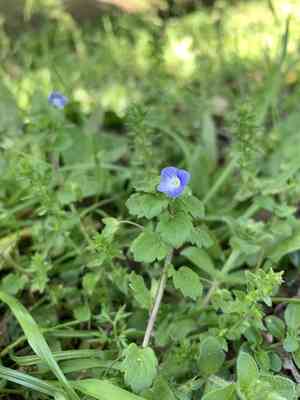
Quickly Identify Birdeye speedwell
1
Low-growing, sprawling stems up to 2 feet (60 cm) long
2
Heart-shaped leaves with serrated margins
3
Bright blue to purple flowers with white center, 0.3-0.5 inches (8-13 mm) diameter
4
Small, inconspicuous capsule fruit for seed production
5
Opposite pairs of medium to dark green, oval leaves with serrated margins
Scientific Classification of Birdeye speedwell
Phylum
Vascular plants
Class
Dicotyledons
Order
Lamiales
Family
Plantain
Genus
Speedwells
Species
Birdeye speedwell
Planting and Growing of Birdeye speedwell
Care Difficulty
Easy
Watering Schedule
Every 3 days
Sunlight Requirements
Full sun
Sunshine Duration
4-6 hours
Ideal Temperature
50-77℉
Soil Type
Potting Mix, Peat Mix
Soil pH
6.5-7.5
Fertilizer Type
Balanced
Pruning Season
Spring, Summer
Pruning Area
Branches, Leaves
Pruning Frequency
2 times a year
Repotting Season
Spring
Pot Type
Plastic, Ceramic
 How to Water Birdeye speedwell?
Veronica persica, commonly known as Persian speedwell, thrives best with moderate watering. Each watering session should offer about 250 milliliters to ensure the soil remains damp but never waterlogged. This amount allows the roots to drink deeply without suffocating them.
What are the symptoms of an underwatered Birdeye speedwell?
›
What should I do if my Birdeye speedwell is not getting enough water?
›
What are the symptoms of an overwatered Birdeye speedwell?
›
How to save an overwatered Birdeye speedwell?
›
 What Are the Sunlight Requirements for Birdeye speedwell?
Partial sun to full sun is ideal, fostering vigorous growth and vibrant flowering. Adequate light ensures the plant maximizes its photosynthetic capacity and visual appeal.
What is the optimal location?
›
How to achieve ideal lighting?
›
What are the benefits of ideal lighting?
›
 What Is the Ideal Temperature Range for Birdeye speedwell?
For Veronica persica, maintaining an ideal temperature between 50°F and 77°F facilitates optimal growth. This range provides a stable environment, promoting healthy leaf development and flowering, ensuring the plant does not experience temperature-induced stress.
 What Soil is Best for Birdeye speedwell?
Veronica persica thrives in soil that retains moisture without becoming waterlogged. This balance ensures that its shallow roots remain hydrated, promoting vigorous growth throughout its blooming period. Moisture-retentive soils help the plant withstand dry spells more effectively. A nutrient-rich substrate offers Veronica persica an abundance of minerals that boost its lush greenery and vibrant flowers. Well-fed plants are more resilient, offering an abundance of blooms and a robust appearance that is testament to the rich soil it grows in. Soil that drains well prevents water stagnation and root rot in Veronica persica. Adequate drainage ensures oxygen reaches the roots, fostering healthy plant development. This requirement is crucial for the plant to maintain its vitality in diverse environmental conditions.
 How to Fertilize Birdeye speedwell?
Veronica persica requires a balanced approach to fertilization. You should apply a diluted liquid fertilizer with an NPK ratio of 10-10-10 to promote balanced growth. Use approximately 1/4 strength of the recommended dose on the label to avoid overfeeding and ensure your plant remains healthy.
 How to Prune Birdeye speedwell?
Begin by assessing the plant structure, looking for any damaged or dead stems. Use sharp pruning shears to remove these first, cutting back to the nearest healthy tissue. Trim back excessive growth to maintain a bushy shape, focusing on the top and sides to encourage denser foliage. Be gentle to not disturb the delicate stems and flowers too much, especially during blooming.
 How to Propagate Birdeye speedwell plant?
1
Start by preparing a well-draining potting mix for seeds or cuttings. Mix sand, peat, and perlite to promote aeration and moisture retention, essential for seeds and cuttings.
2
Sprinkle Veronica persica seeds evenly over the soil surface, covering them lightly. Maintain a consistent humidity and temperature by covering the tray with a plastic dome.
3
Select healthy sections of the plant during early spring. With clean shears, make angled cuts below a node, prepare rooting hormone, and plant in moist soil.
 How to Repot Birdeye speedwell plant?
1
You should consider repotting Veronica persica when you notice roots emerging from the drainage holes or when its growth significantly slows down despite adequate care. Another signal is when the plant becomes top-heavy or the soil no longer retains moisture.
2
Select a pot that is 1 to 2 inches larger in diameter than the current one. Ensure it has ample drainage holes to prevent waterlogging, which can lead to root rot. A slightly heavier pot can also help anchor a top-heavy plant.
3
Opt for a well-draining potting mix rich in organic matter. This ensures that excess water can drain away easily while still retaining enough moisture and nutrients for the plant. Such soil mimics the plant's natural habitat and promotes healthy growth.



