
Dark speedwell (Veronica opaca)
Also known as: N/A
The plant you're referring to is likely Dark Speedwell (Veronica chamaedrys). This hardy perennial boasts a vigorous, spreading growth pattern. It thrives in meadows and woodland areas, featuring vibrant green leaves that set off clusters of small blue to violet flowers. These distinctive four-petaled blossoms appear in spring and attract various pollinators. Dark Speedwell is adaptable, preferring moist, well-drained soils and capable of flourishing under different light conditions.
In This Article
Attributes of Dark speedwell
Lifespan
Perennial
Plant Type
Herb
Plant Height
10-30 cm
Spread
20-40 cm
Leaf Color
Green
Flower Size
0.5-1 cm
Flower Color
Typically blue or purple
Images of Dark speedwell

Quickly Identify Dark speedwell
1
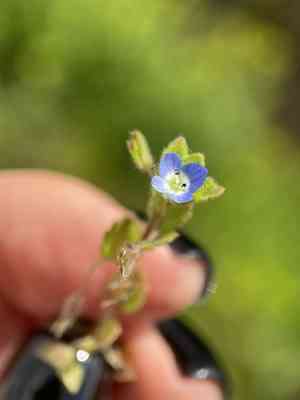
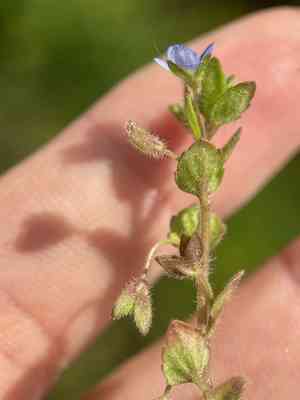
To identify Veronica opaca, look for its unique flower structure and distinct leaf arrangement. The flowers are typically small and can vary in color, but they are characteristically dense and look somewhat opaque, which is a distinguishing feature.
Scientific Classification of Dark speedwell
Phylum
Vascular plants
Class
Dicotyledons
Order
Lamiales
Family
Plantain
Genus
Speedwells
Species
Dark speedwell
Planting and Growing of Dark speedwell
Care Difficulty
Moderate
Watering Schedule
Every 4 days
Sunlight Requirements
Partial sun
Sunshine Duration
6-8 hours
Ideal Temperature
60-75℉
Soil Type
Potting Mix, Peat Mix
Soil pH
6.5-7.5
Fertilizer Type
Balanced
Pruning Season
Spring, Summer
Pruning Area
Branches, Leaves
Pruning Frequency
2 times a year
Repotting Season
Spring
Pot Type
Plastic, Terracotta
 How to Water Dark speedwell?
For Veronica opaca, each watering session should deliver around 250 ml of water. This amount ensures the soil is adequately moist without causing waterlogging. It’s essential to let the topsoil dry out slightly between waterings. Ensure the water permeates to the roots by pouring slowly and uniformly.
What are the symptoms of an underwatered Dark speedwell?
›
What should I do if my Dark speedwell is not getting enough water?
›
What are the symptoms of an overwatered Dark speedwell?
›
How to save an overwatered Dark speedwell?
›
 What Are the Sunlight Requirements for Dark speedwell?
Veronica opaca thrives in partial to full sun, making it essential for vibrant growth and flowering. Access to the right light encourages healthy photosynthesis and the development of robust, lush foliage.
How much sunlight is ideal for Veronica opaca?
›
What are the solutions for achieving ideal sunlight for Veronica opaca?
›
What are the benefits of ideal sunlight for Veronica opaca?
›
 What Is the Ideal Temperature Range for Dark speedwell?
The ideal temperature range for growing Veronica opaca is between 60°F to 75°F. This range supports optimal growth, health, and flowering. Maintaining these temperatures helps in achieving the best possible results in terms of plant vigor and blooming.
 What Soil is Best for Dark speedwell?
Veronica opaca thrives best in well-draining soil since it prevents root rot by ensuring that water does not accumulate around the roots. Good drainage facilitates healthy root development and plant growth. This plant prefers soil with moderate fertility where nutrients are available in balanced quantities. The right level of nutrients supports lush foliage and vibrant blooms, enhancing the plant's ornamental value. Loamy soil, with its blend of sand, silt, and clay, provides an ideal environment for Veronica opaca by maintaining moisture while allowing airflow to roots. This balance helps sustain health and vigor in the plant.
 How to Fertilize Dark speedwell?
For Veronica opaca, use a balanced fertilizer with an N-P-K ratio like 10-10-10. Dilute the liquid fertilizer to half strength to prevent over-fertilization, and apply about 200-250 ml per plant. If using a slow-release fertilizer, apply according to the product's instructions, ensuring an even distribution in the soil around the plant base.
 How to Prune Dark speedwell?
Start by identifying stems and leaves that are dead, damaged, or diseased. These can be safely cut back to the base or a healthy bud, which encourages healthy regrowth. Trim around the plant, aiming to maintain a natural form. Cutting back taller or unruly stems will help keep Veronica opaca looking tidy. Make your cuts just above a leaf node to encourage fuller growth. For a denser appearance, consider pinching back the tips of new growth. This procedure will promote lateral growth and result in a bushier, more compact plant.
 How to Propagate Dark speedwell plant?
1
Collect seeds from a mature Veronica opaca plant. Clean them thoroughly and allow them to dry. Sow the seeds evenly in seed trays filled with a moist, well-draining seed compost.
2
Choose healthy, non-flowering stems of Veronica opaca for cuttings. Cut a 4-6 inch section just below a node using clean pruning shears. Remove the bottom leaves and dip the cut end in rooting hormone.
3
Dig up a mature Veronica opaca plant in the early spring. Use a sharp spade to divide the plant into sections, ensuring each has a healthy root ball. Replant the divisions immediately, watering well.
 How to Repot Dark speedwell plant?
1
Veronica opaca shows signs of needing repotting when its roots start to circle the pot or when water drains too quickly or too slowly. The optimal time to repot is during early spring or autumn, providing a fresh start before its active growing period.
2
Select a pot that is one size larger than the current one, ensuring it has proper drainage holes. This prevents root rot and allows space for growth, encouraging healthier development and preventing waterlogging.
3
Opt for a well-drained loamy mix to ensure adequate aeration and drainage, which are crucial for Veronica opaca’s root health. A balanced medium prevents both water retention and nutrient deficiencies, promoting vigorous growth.



