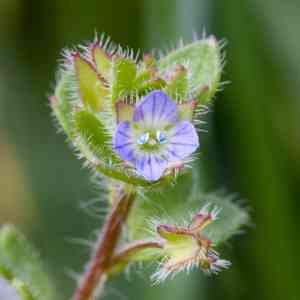
Ivy-leaved speedwell (Veronica hederifolia)
Also known as: Ivy-leaved Speedwell, Ivy-leaved Veronica
Ivy-leaved speedwell (Veronica hederifolia), native to Eurasia, typically reaches up to 6 cm in height and can spread as wide as 15 cm. For optimal growth, it needs around eight hours of sunlight daily.
In This Article
Attributes of Ivy-leaved speedwell
Lifespan
Annual, Biennial
Plant Type
Herb
Plant Height
10 cm to 40 cm
Spread
15 cm
Leaf Color
Green
Flower Size
1.02 cm
Flower Color
Blue
Images of Ivy-leaved speedwell
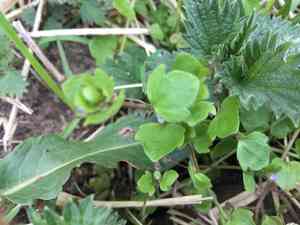
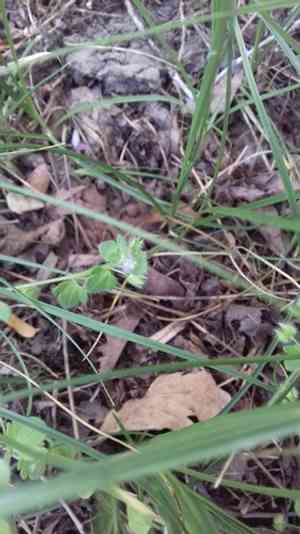
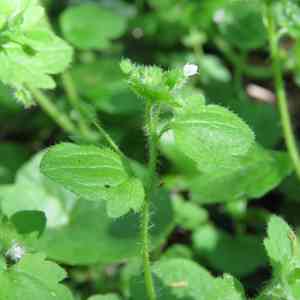
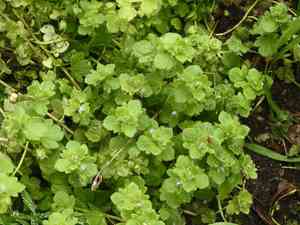
Quickly Identify Ivy-leaved speedwell
1
Basal leaves opposite; stem leaves alternate, both ivy-shaped with 3-5 lobes.
2
Distinctive blue flowers with darker blue lines, growing from axils of hairy stems.
3
Heart-shaped dehiscent fruit capsule with rounded apex and hairy sepals.
4
Hairy stem, reddish-brown to green, up to 24 inches (60 cm) long, sprawling.
5
Oval leaves with slight red undersides, 3-5 lobes, 0.75 inches (1.9 cm) wide.
Scientific Classification of Ivy-leaved speedwell
Phylum
Vascular plants
Class
Dicotyledons
Order
Lamiales
Family
Plantain
Genus
Speedwells
Species
Ivy-leaved speedwell
Planting and Growing of Ivy-leaved speedwell
Care Difficulty
Easy
Watering Schedule
Every 3 days
Sunlight Requirements
Partial sun
Sunshine Duration
4-8 hours
Ideal Temperature
50-70℉
Soil Type
Potting Mix, Peat Mix
Soil pH
6.5-7.5
Fertilizer Type
Balanced
Pruning Season
Spring, Summer
Pruning Area
Branches, Leaves
Pruning Frequency
2 times a year
Repotting Season
Spring
Pot Type
Plastic, Ceramic
 How to Water Ivy-leaved speedwell?
For Veronica hederifolia, it's essential to provide an adequate amount of water to keep the soil consistently moist but not waterlogged. Typically, 150 ml of water per session is ideal, ensuring the soil is evenly damp but not soggy. The goal is to mimic its natural environment, balancing moisture without suffocation.
What are the symptoms of an underwatered Ivy-leaved speedwell?
›
What should I do if my Ivy-leaved speedwell is not getting enough water?
›
What are the symptoms of an overwatered Ivy-leaved speedwell?
›
How to save an overwatered Ivy-leaved speedwell?
›
 What Are the Sunlight Requirements for Ivy-leaved speedwell?
Veronica hederifolia flourishes with partial sun and partial shade. Ideal lighting promotes robust growth, enhances leaf color, and ensures an abundance of blossoms, catering to its need for balanced light levels.
What type of sunlight is best?
›
How can you achieve ideal lighting?
›
What are the benefits of ideal lighting?
›
 What Is the Ideal Temperature Range for Ivy-leaved speedwell?
Veronica hederifolia thrives best in a cool to moderate climate. Maintaining a temperature between 50°F and 70°F provides the optimal conditions for its growth. This temperature range supports normal physiological processes and helps the plant maintain its health and vigor. Fluctuations outside this range can impact the plant's metabolic functions, so it is crucial to ensure consistent temperature conditions for successful cultivation.
 What Soil is Best for Ivy-leaved speedwell?
Veronica hederifolia thrives in well-drained soil, which allows excess water to escape and prevents root rot. Well-drained soil ensures healthy roots and vigorous growth, making it ideal for this plant. The soil should retain enough moisture to support Veronica hederifolia's growth, yet not be waterlogged. Proper moisture levels enable the plant to maintain lush foliage and support continuous blooming. A nutrient-rich substrate provides the essential minerals and compounds Veronica hederifolia needs to flourish. This enriches the plant's growth, resulting in a robust plant with bright, attractive leaves.
 How to Fertilize Ivy-leaved speedwell?
For Veronica hederifolia, it's crucial to use a balanced NPK fertilizer. When utilizing liquid fertilizers, ensure a dilution of approximately half the recommended label rate to prevent nutrient overdose. Aim for using 1 to 2 teaspoons per gallon of water. This mix should be watered in thoroughly to allow roots to absorb nutrients effectively without causing harm.
 How to Prune Ivy-leaved speedwell?
Begin your pruning session by removing any dead or diseased leaves to prevent the spread of disease and improve air circulation. This process not only helps the plant aesthetically but also encourages healthier growth. Next, focus on trimming back any overgrown or leggy branches. Aim to maintain the plant's shape and encourage bushier growth by cutting just above a leaf node. This will help the plant maintain a compact shape and increase foliage density.
 How to Propagate Ivy-leaved speedwell plant?
1
Collect seeds from mature Veronica hederifolia plants during late spring or early summer when they have fully developed and dried. Ensure the seeds are healthy and free from any signs of disease.
2
Prepare a well-draining soil mix by combining peat, sand, and perlite. This mix ensures that the seedlings do not sit in water, reducing the chances of root rot.
3
Select a healthy stem that is neither too young nor too old. Using pruning shears, cut a piece around 4-6 inches long, ensuring it has at least two nodes. Remove the lower leaves to leave a clean stem.
 How to Repot Ivy-leaved speedwell plant?
1
Repot Veronica hederifolia when the roots begin to circle the pot or when growth appears stunted. It usually shows these signs every two years. The ideal time to repot is spring, ensuring the plant has ample time to acclimate and grow robustly during the growing season.
2
Select a pot that is one size larger than the current one and has good drainage holes. This ensures there's enough space for root expansion, reducing the risk of waterlogging, which helps in maintaining healthy root development and preventing root rot.
3
Opt for a moist, well-draining soil mix that's rich in organic matter. Such soil promotes healthy root growth and provides the essential nutrients needed, while also ensuring excess water drains away, preventing the risk of root diseases.



