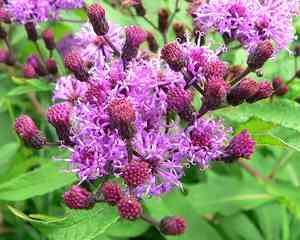
Giant ironweed (Vernonia gigantea)
Also known as: Ironweed
Chicory (Cichorium intybus) is a plant species belonging to the Asteraceae family and is related to the sunflower. This species thrives in countrysides and fields. Chicory flowers are often described as having a unique, pipe-like shape.
In This Article
Attributes of Giant ironweed
Lifespan
Perennial
Plant Type
Herb
Plant Height
91 cm to 2 m
Spread
90 cm to 1.8 m
Leaf Color
Green
Flower Size
2.5 cm
Flower Color
Purple Pink
Images of Giant ironweed
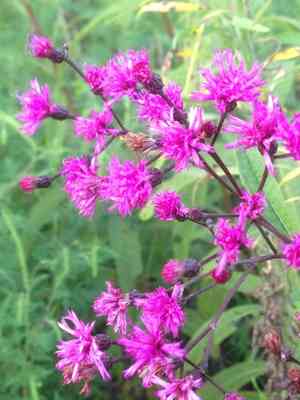
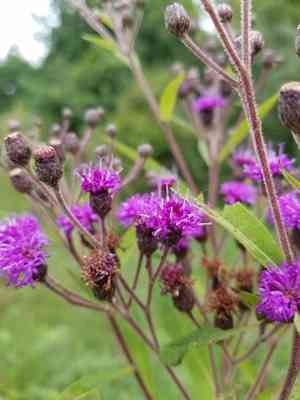
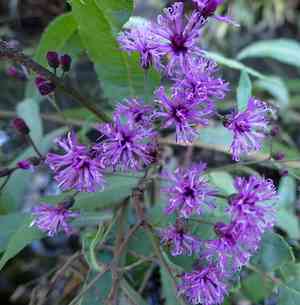
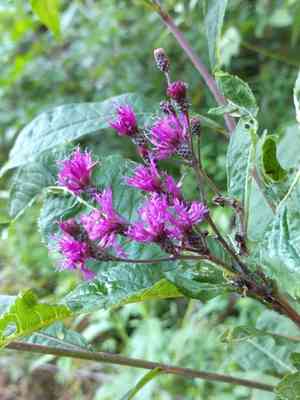
Quickly Identify Giant ironweed
1
Tall erect stature reaching 3-12 feet (0.9-3.7 m), giving a stately presence.
2
Distinctive flat-headed panicle of flowers, 16 inches (41 cm) wide, in shades of lavender, magenta, or deep purple.
3
Leaves ranging from ovate to elliptical, up to 9 inches (23 cm) long, featuring serrated edges.
4
Gray to brown achenes with short and long bristly hairs aiding wind-driven dispersal.
5
Stem varying from light green to purplish green, unbranched or sparsely branched, providing sturdy support.
Scientific Classification of Giant ironweed
Phylum
Vascular plants
Class
Dicotyledons
Order
Asterales
Family
Daisy
Genus
Vernonia
Species
Giant ironweed
Planting and Growing of Giant ironweed
Care Difficulty
Easy
Watering Schedule
Every 3 days
Sunlight Requirements
Full sun
Sunshine Duration
6-12 hours
Ideal Temperature
60-80℉
Soil Type
Potting Mix, Peat Mix
Soil pH
6.5-7.5
Fertilizer Type
Balanced
Pruning Season
Spring, Summer
Pruning Area
Branches, Leaves
Pruning Frequency
2 times a year
Repotting Season
Spring
Pot Type
Plastic, Ceramic
 How to Water Giant ironweed?
Vernonia gigantea, commonly known as giant ironweed, requires moderate watering. The soil should be kept moist but not soggy. This means when you water, you should aim for approximately 500 milliliters per session, just enough to dampen the soil without causing standing water.
What are the symptoms of an underwatered Giant ironweed?
›
What should I do if my Giant ironweed is not getting enough water?
›
What are the symptoms of an overwatered Giant ironweed?
›
How to save an overwatered Giant ironweed?
›
 What Are the Sunlight Requirements for Giant ironweed?
Vernonia gigantea thrives in full sun to partial sun environments. Ideal lighting conditions encourage robust growth and large, vivid blooms, thus maximizing its ornamental appeal.
What is the best way to ensure optimal lighting for Vernonia gigantea?
›
How can you adjust the environment to provide ideal lighting?
›
What are the benefits of ideal lighting on Vernonia gigantea?
›
 What Is the Ideal Temperature Range for Giant ironweed?
Vernonia gigantea thrives best in a temperature range of 60°F to 80°F. This range allows for optimal photosynthesis, efficient nutrient uptake, and healthy growth. It's important to maintain this temperature to ensure the plant reaches its full potential during the growing season.
 What Soil is Best for Giant ironweed?
Vernonia gigantea thrives in well-draining soil, which prevents water from accumulating around the roots. This characteristic is crucial for avoiding root rot and ensures that essential nutrients are available to the plant without causing waterlogged conditions. A fertile soil that is rich in organic matter is important for Vernonia gigantea. The abundance of nutrients supports healthy growth and vibrant foliage, ultimately leading to an impressive floral display. Organic compost or well-rotted manure can enhance soil fertility. While drainage is essential, Vernonia gigantea also requires soil that can retain moisture during dry periods. This balance is achieved best in loamy soils, which provide the right ratio of sand, silt, and clay for optimal water retention without becoming too soggy.
 How to Fertilize Giant ironweed?
Vernonia gigantea appreciates a balanced application of nutrients. For liquid fertilizers, mix at half the recommended strength to avoid over-fertilization. With slow-release pellets, use about 1 tablespoon around the base of each plant. The goal is to maintain steady but moderate nutrient levels to support growth.
 How to Prune Giant ironweed?
To prune Vernonia gigantea effectively, start by using a pair of sharp, clean pruning shears. Focus on cutting back any dead, damaged, or diseased stems. Locate the nodes, where leaves attach to stems, and make your cuts about a quarter-inch above these nodes to encourage new growth. Trim back up to a third of the plant to maintain a desirable size and shape. Following your initial pruning, inspect the plant's shape regularly. Vernonia gigantea can grow quite tall, so reduce the height by cutting back the tallest stems. The goal is to create a balanced, aesthetically pleasing form that doesn't look overly top-heavy. This helps ensure that more light and air reach the inner parts of the plant, promoting healthier growth.
 How to Propagate Giant ironweed plant?
1
Collect mature seeds from the plant in autumn and store them in a cool, dry place. Before spring, soak seeds in warm water for a few hours to soften the seed coat and promote germination.
2
Carefully dig up mature Vernonia gigantea in early spring. Using sterilized tools, separate the root clumps, ensuring each section has adequate roots and shoots for growth.
3
Plant seeds in prepared trays or divided sections in individual pots with well-draining soil. Water gently and keep in a well-lit area, avoiding direct sunlight for the initial growth phase.
 How to Repot Giant ironweed plant?
1
Vernonia gigantea needs repotting when you see roots growing out of the drainage holes or when growth significantly slows. Spring and summer are the best times, allowing the plant to recover quickly in active growth seasons.
2
Choose a pot one size larger than the current one with ample drainage holes. This size strikes a balance, preventing root rot while allowing room for growth. A clay or ceramic pot helps regulate moisture levels, benefiting the plant.
3
Opt for a well-draining potting mix with added perlite or sand. This type of soil ensures that water doesn't pool, reducing the risk of root rot and providing the roots with ample oxygen.



