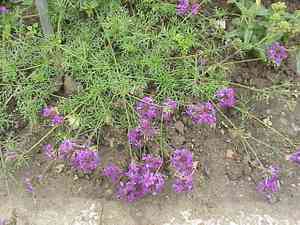
Vervains (Verbena) (Verbena)
Also known as: Vervain
The vervains genus encompasses approximately 250 species of plants. These plants commonly feature hairy leaves and produce fruits that divide into four single-seeded parts. The name "vervain" is derived from the Latin "verbena," meaning "sacred foliage," a nod to its historical use in Roman religious rituals. In Spanish-speaking regions, "Verbena" is also a popular girl's name, reflecting its cultural significance and longstanding sacred association.
In This Article
Attributes of Vervains (Verbena)
Lifespan
Annual, Perennial
Plant Height
25 cm
Spread
30 cm
Leaf Color
Green
Flower Size
1-2 centimeters
Flower Color
Purple, Pink, White
Images of Vervains (Verbena)
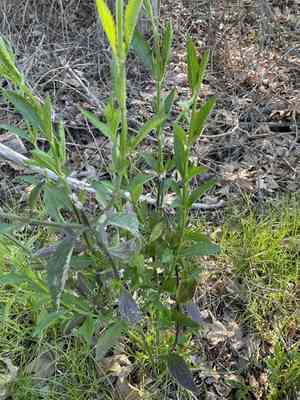
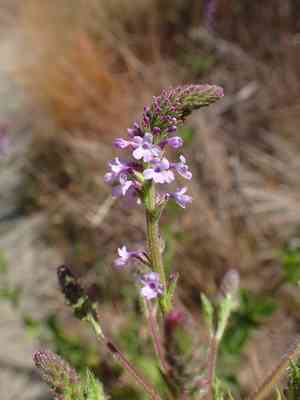
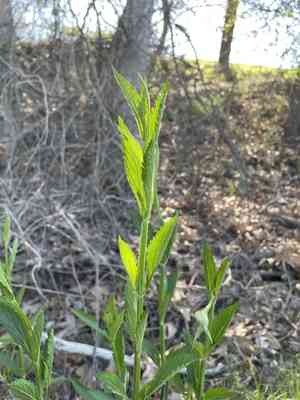
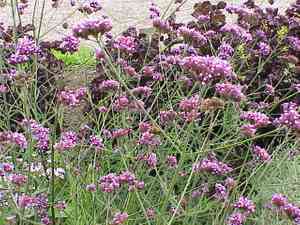
Quickly Identify Vervains (Verbena)
1
Verbena can be identified by its high-growing, branching stems, opposite leaves, and clusters of small, tubular flowers that are often purple, pink, or white.
Scientific Classification of Vervains (Verbena)
Phylum
Magnoliophyta
Class
Magnoliopsida
Order
Lamiales
Family
Verbenaceae
Genus
Verbena
Planting and Growing of Vervains (Verbena)
Care Difficulty
Easy
Watering Schedule
Every 8 days
Sunlight Requirements
Full sun
Sunshine Duration
4-8 hours
Ideal Temperature
65-75℉
Soil Type
Potting Mix, Peat Mix
Soil pH
6.5-7.5
Fertilizer Type
Balanced
Pruning Season
Spring, Summer
Pruning Area
Branches, Leaves
Pruning Frequency
2 times a year
Repotting Season
Spring
Pot Type
Plastic, Ceramic
 How to Water Vervains (Verbena)?
Verbena enjoys a consistent level of moisture in its soil. The ideal approach is to water until the soil is moist but not waterlogged, ensuring the water penetrates to about 6 inches deep. The plant prefers soil that is kept moderately moist at all times.
What are the symptoms of an underwatered Vervains (Verbena)?
›
What should I do if my Vervains (Verbena) is not getting enough water?
›
What are the symptoms of an overwatered Vervains (Verbena)?
›
How to save an overwatered Vervains (Verbena)?
›
 What Are the Sunlight Requirements for Vervains (Verbena)?
Verbena does best in full to partial sun environments. This means ensuring at least 6 to 8 hours of sunlight exposure per day to maintain its health and encourage vibrant blooms, ensuring the plant remains lush and beautiful.
How much light does Verbena need?
›
What are some solutions for achieving ideal lighting?
›
What are the benefits of ideal lighting for Verbena?
›
 What Is the Ideal Temperature Range for Vervains (Verbena)?
The ideal temperature range for Verbena to thrive is between 65°F and 75°F. This range provides the perfect balance of warmth necessary for optimal growth and flowering. These temperatures ensure that Verbena plants can maintain their metabolic processes efficiently, leading to vibrant blooms and healthy foliage.
 What Soil is Best for Vervains (Verbena)?
Verbena thrives in well-drained soil that prevents waterlogging, which can lead to root rot. Proper drainage ensures healthy root development and nutrient uptake, vital for vibrant blooms. This plant prefers soil with moderate fertility. Overly rich soil can lead to excessive foliage at the expense of flowers. Balanced nutrients foster abundant flowering and vigorous growth. Verbena does best in neutral to slightly alkaline pH levels, ranging between 6.5 to 7.5. This pH range maximizes nutrient availability and uptake, promoting healthier plants.
 How to Fertilize Vervains (Verbena)?
For Verbena, it's crucial to use a balanced 10-10-10 nitrogen, phosphorus, and potassium formula. Apply liquid fertilizer at half the recommended strength, approximately 1/2 teaspoon per gallon of water, evenly distributing it around the base of the plant.
 How to Prune Vervains (Verbena)?
Deadheading involves cutting off spent blooms. Use your fingers or scissors to remove the dead flowers just above the next growing node. This process helps the plant redirect energy towards producing new flowers rather than seed production. For a more structured plant, trim the ends of the stems by about one-third of their length. This encourages branching and leads to a fuller plant over time. Ensure cuts are made just above a leaf node to facilitate new growth. If your Verbena starts to look leggy, cut it back by about half its height. This encourages new basal growth and prevents the plant from becoming sparse towards the bottom.
 How to Propagate Vervains (Verbena) plant?
1
Prepare verbena seeds by soaking them in water for about 24 hours. This helps to soften the seed coat and encourages quicker germination. Ensure that the water used is room temperature to avoid shocking the seeds.
2
Sow the verbena seeds in a seedling tray filled with a well-draining soil mix. Lightly cover the seeds with soil and mist the surface lightly with water. Place the tray in a warm, bright area, but keep it out of direct sunlight to prevent the soil from drying out too quickly.
3
To propagate by cuttings, select a healthy stem, preferably during the productive growing season. Use sharp pruning shears to take a cutting about 4-6 inches long. Remove the leaves from the lower half and dip the cut end in rooting hormone before planting it in a potting mix.
 How to Repot Vervains (Verbena) plant?
1
Verbena should be repotted when you notice its roots crowding the pot or growing through drainage holes. Alternatively, if you observe the soil not retaining water or the plant not thriving as expected, it's a good time to consider repotting. Typically, early spring, when the plant is starting to grow actively, or summer during a growth pause are ideal times for repotting.
2
Select a pot that is one size larger (about 2 inches wider) than the current pot. Ensure it has adequate drainage holes to avoid waterlogged soil which can lead to root rot. A slightly heavier pot can provide stability for the top-heavy growth of verbena, preventing it from tipping over.
3
Use a well-draining potting mix, preferably one that contains sand or perlite to enhance drainage. This ensures excess water can easily escape, preventing roots from sitting in water and potentially rotting. Such a mix also provides the necessary aeration for healthy root development.
Learn More About Vervains (Verbena) Diseases
Anthracnose
Bacterial Leaf Spot
Bacterial Soft Rot
Bacterial Wilt
Black Spot
Chemical Injury
Crown Gall
Cyst Nematode
Damping-off
Downy Mildew
Drought Stress
Fusarium Wilt
Gray Mold
Leaf Curl
Leaf Spot
Mosaic
Nutrient Deficiency
Nutrient Toxicity
Powdery Mildew
Root Rot
Root-knot Nematode
Rusts
Sooty Mold
Spider Mites
Temperature Stress
Thrips Damage
White Mold

