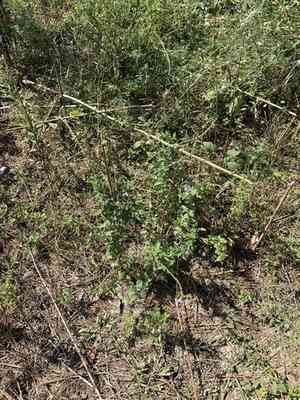
Gulf vervain (Verbena xutha)
Also known as: Narrow-leaved Vervain
A great example of a plant matching your description is the Gulf vervain. This perennial features vibrant clusters of small flowers in shades of purple to pink, perched on slender, upright stems. Below, you'll find serrated leaves creating a lush, green base. Ideal for sunny locations, Gulf vervain flourishes in well-drained soils and is an excellent choice for attracting pollinators with its nectar-filled blossoms.
In This Article
Attributes of Gulf vervain
Lifespan
Perennial
Plant Type
Herb
Plant Height
91 cm to 1.8 m
Spread
0.3 - 0.6 meters
Leaf Color
Green
Flower Size
0.2 - 0.5 centimeters
Flower Color
Violet, Blue
Images of Gulf vervain
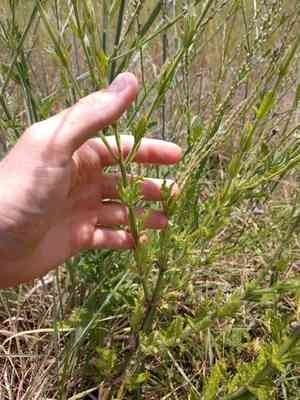

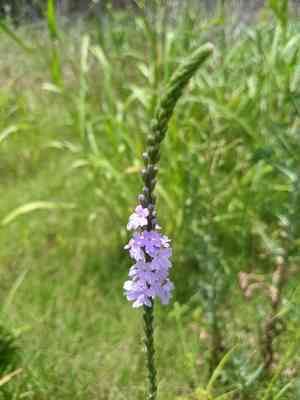
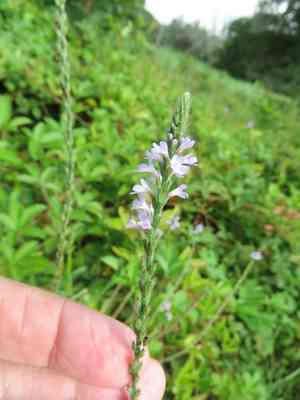
Quickly Identify Gulf vervain
1
Verbena xutha can be identified by its slender, upright stems and narrow leaves with serrated edges. The flowers are small, typically violet or blue, and arranged in dense terminal spikes. The plant often grows in damp environments.
Scientific Classification of Gulf vervain
Phylum
Vascular plants
Class
Dicotyledons
Order
Lamiales
Family
Verbena
Genus
Vervains
Species
Gulf vervain
Planting and Growing of Gulf vervain
Care Difficulty
Easy
Watering Schedule
Every 2 days
Sunlight Requirements
Full sun
Sunshine Duration
6-10 hours
Ideal Temperature
60-75℉
Soil Type
Potting Mix, Peat Mix
Soil pH
6.5-7.5
Fertilizer Type
Balanced
Pruning Season
Spring, Summer
Pruning Area
Branches, Leaves
Pruning Frequency
2 times a year
Repotting Season
Spring
Pot Type
Plastic, Ceramic
 How to Water Gulf vervain?
When watering Verbena xutha, aim to moisten the soil evenly without making it soggy. Approximately 250 ml of water should be adequate to thoroughly dampen the root zone, allowing excess water to drain freely. The goal is to maintain consistent soil moisture without waterlogging or letting the soil dry out completely.
What are the symptoms of an underwatered Gulf vervain?
›
What should I do if my Gulf vervain is not getting enough water?
›
What are the symptoms of an overwatered Gulf vervain?
›
How to save an overwatered Gulf vervain?
›
 What Are the Sunlight Requirements for Gulf vervain?
Verbena xutha prospers in full to partial sunlight. Adequate exposure ensures robust growth, abundant glossy foliage, and a tapestry of blossoms, benefiting both aesthetics and the plant's capacity to thrive naturally.
How much direct sunlight is ideal?
›
How can I ensure the plant gets sufficient sunlight?
›
What benefits will proper lighting bring to Verbena xutha?
›
 What Is the Ideal Temperature Range for Gulf vervain?
For optimal growth, Verbena xutha thrives in temperatures ranging from 60°F to 75°F. This range supports healthy photosynthesis and promotes abundant blooming.
 What Soil is Best for Gulf vervain?
Verbena xutha flourishes in well-drained soil that prevents water accumulation, which is critical to avoid root rot and enhance nutrient uptake. This condition helps the roots remain healthy, promoting optimal plant growth and vibrant blooms. Using nutrient-rich soil, particularly those amended with organic matter, ensures Verbena xutha receives adequate nutrition. Rich soil provides essential minerals for robust growth and prolonged flowering periods, enhancing the plant's ornamental appeal. Soil that retains moderate moisture without becoming waterlogged is ideal for Verbena xutha. This balance supports continuous water supply to the plant while preventing detrimental effects associated with overwatering, such as fungal diseases.
 How to Fertilize Gulf vervain?
Verbena xutha benefits from a balanced fertilizer approach. Use about 1/2 teaspoon of liquid fertilizer per gallon of water for each application. For slow-release granules, apply in a thin layer over the soil, around 1 tablespoon per square foot, ensuring even coverage. The plant thrives when nutrients are accessible without overwhelming its growing mediums.
 How to Prune Gulf vervain?
Start by removing any dead or damaged stems to clean up the plant. Trim back leggy branches to encourage bushier growth, cutting just above a node to stimulate new blooms. Regularly deadhead spent flowers to extend the blooming period. In spring, focus on shaping the plant and removing winter damage. Summer pruning revolves around deadheading and maintaining shape. Fall is an excellent time to prepare the plant for dormancy by cleaning out lingering dead material.
More About Pruning Techniques→
 How to Propagate Gulf vervain plant?
1
Soak the Verbena xutha seeds in water for 24 hours before planting. This helps soften the seed coat and encourages faster germination. Plant them about 1/4 inch deep in moist, well-draining soil.
2
Select healthy, non-flowering stems and cut 4-6 inch segments just below a node. Remove the lower leaves, dip the cut end in rooting hormone, and plant in a potting mix.
3
Dig up a mature Verbena xutha plant in early spring. Carefully separate the root clumps, ensuring each division has roots and shoots. Replant the divisions immediately in a prepared bed or pot.
 How to Repot Gulf vervain plant?
1
Verbena xutha needs repotting when you see roots emerging from the drainage holes or the plant looks top-heavy. Spring is ideal, as the plant is in a growth phase. Regular observation helps determine the right time for repotting, ensuring healthy development.
2
Select a pot that’s just a size larger, with good drainage holes to prevent waterlogging. Material like terracotta is excellent as it allows air exchange, keeping the roots healthy. The right pot can prevent overwatering issues and stabilize the plant more effectively.
3
Use a well-draining loamy soil mix which retains moisture but allows excess water to escape. This prevents root rot, keeping the roots aerated. Added perlite or sand can improve drainage, making the plant thrive in its new home.
Learn More About Gulf vervain Diseases
Anthracnose
Bacterial Leaf Spot
Bacterial Soft Rot
Bacterial Wilt
Black Spot
Chemical Injury
Crown Gall
Damping-off
Downy Mildew
Drought Stress
Fusarium Wilt
Gray Mold
Leaf Curl
Leaf Spot
Mosaic
Nutrient Deficiency
Nutrient Toxicity
Powdery Mildew
Root Rot
Root-knot Nematode
Rusts
Sooty Mold
Spider Mites
Temperature Stress
Thrips Damage
White Mold



