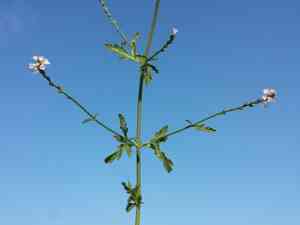
Common vervain (Verbena officinalis)
Also known as: Herb of the cross, European vervain
Common vervain, also referred to as Holy Herb or Herb of the Cross, is sometimes claimed to have been used on the wounds of Jesus Christ after His crucifixion. Additionally, it holds significant roles in both ancient Egyptian and Greek mythology. This tall, slender, perennial herb is originally from Eurasia and has been introduced to the Americas.
In This Article
Attributes of Common vervain
Lifespan
Perennial, Annual
Plant Type
Herb
Plant Height
70 cm
Spread
60 cm
Leaf Color
Green Gray
Flower Size
2.5 cm
Flower Color
Purple
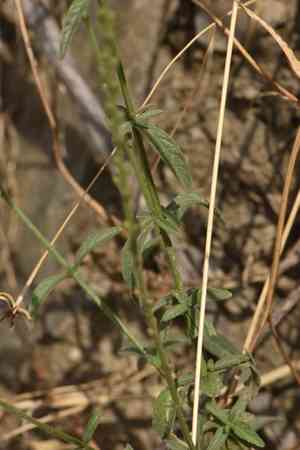
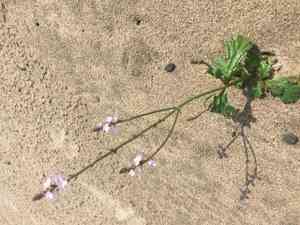
Images of Common vervain


Quickly Identify Common vervain
1
Look for a slender plant with upright stems and tiny lilac or pinkish flowers arranged in spikes. The leaves are deeply lobed and toothed.
Scientific Classification of Common vervain
Phylum
Vascular plants
Class
Dicotyledons
Order
Mints plantains olives and allies
Family
Verbena
Genus
Vervains
Species
Common vervain
Planting and Growing of Common vervain
Care Difficulty
Easy
Watering Schedule
Every 8 days
Sunlight Requirements
Full sun
Sunshine Duration
6-10 hours
Ideal Temperature
60-75℉
Soil Type
Potting Mix, Peat Mix
Soil pH
6.5-7.5
Fertilizer Type
Balanced
Pruning Season
Spring, Summer
Pruning Area
Branches, Leaves
Pruning Frequency
2 times a year
Repotting Season
Spring
Pot Type
Plastic, Ceramic
 How to Water Common vervain?
The intricate balance needed for Verbena officinalis ensures that the soil is consistently moist but not waterlogged. Aim for about 250ml of water per session, ensuring the top few centimeters of soil remain damp to the touch without allowing standing water to accumulate, which could lead to root rot.
More About Watering Techniques→
What are the symptoms of an underwatered Common vervain?
›
What should I do if my Common vervain is not getting enough water?
›
What are the symptoms of an overwatered Common vervain?
›
How to save an overwatered Common vervain?
›
 What Are the Sunlight Requirements for Common vervain?
Verbena officinalis ideally thrives under full sun or partial sun conditions. Ensuring about 6 to 8 hours of high-quality sunlight boosts the plant's vigor, ensuring it grows with strength and blooms prolifically.
More About Sunlight Requirements Techniques→
What is the optimal sunlight exposure for Verbena officinalis?
›
How can I achieve ideal sunlight conditions for my Verbena officinalis?
›
What benefits does ideal lighting provide to Verbena officinalis?
›
 What Is the Ideal Temperature Range for Common vervain?
The ideal temperature range for Verbena officinalis is between 60°F and 75°F. This range provides optimal conditions for the plant's growth, facilitating proper photosynthesis and nutrient uptake. In this temperature bracket, the plant can maintain a balanced metabolic rate, promoting vibrant foliage and prolific blooming.
 What Soil is Best for Common vervain?
Verbena officinalis thrives best in well-drained soil, which prevents waterlogging and root rot. Proper drainage ensures the roots receive adequate oxygen, promoting healthy growth and vibrant blooms. This plant prefers soil with moderate nutrient content. An overabundance of nutrients can lead to excessive foliage growth at the expense of flowers, so moderate levels help maintain an ideal balance. A slightly alkaline pH is favorable for Verbena officinalis. This pH range ensures optimal nutrient availability and absorption, which is crucial for maintaining its lush appearance and medicinal properties.
More About Soil→
 How to Fertilize Common vervain?
For Verbena officinalis, the recommended fertilizer amount is usually half the strength of a balanced liquid fertilizer. Apply around 10 ml per plant at a time, ensuring not to over-fertilize which can lead to root damage.
More About Fertilizing Techniques→
 How to Prune Common vervain?
Begin by inspecting the plant for any dead or diseased limbs. Use clean, sharp shears to remove these first. Focus on cutting back the longest stems by a third to half of their length to encourage a bushier growth habit. Always make your cuts just above a leaf node to stimulate new shoots. Continue removing spent flowers and untidy growth to keep the plant looking fresh and well-shaped. The best time to prune Verbena officinalis is during the active growing seasons—spring, summer, and autumn. Avoid heavy pruning in winter, as it can risk plant shock due to reduced growth activity. Use specialized pruning shears to make clean cuts, reducing the risk of diseases entering through ragged wounds. Remember to disinfect your tools before and after each session to maintain plant health.
More About Pruning Techniques→
 How to Propagate Common vervain plant?
1
Begin by soaking the seeds of Verbena officinalis in warm water for 12 to 24 hours to soften their hard outer coating. This step enhances germination rates by preparing the seeds to absorb moisture effectively.
2
Sow the prepared seeds in seed starting trays filled with a well-draining potting mix. Lightly cover them with soil, as they need exposure to light for germination. Maintain soil moisture without over-watering to support seedling emergence.
3
Select healthy stems and use pruners to cut a 4-6 inch section below a node. Remove lower leaves, dip in rooting hormone, and plant the cuttings in a soil mix. Keep them misted and covered to retain moisture until roots develop.
 How to Repot Common vervain plant?
1
Verbena officinalis exhibits clear signs when it's time for repotting. Look for roots emerging from the drainage holes, which indicates the current container is cramped. A noticeable slowdown in growth during the growing season is another signal that the roots need more space. Ideally, repotting should be done in spring or summer when the plant is actively growing.
2
Selecting a suitable pot for Verbena officinalis is crucial for its well-being. Choose a pot that is 1-2 inches larger in diameter than the current one to give roots room to grow. Ensure it has adequate drainage holes to prevent waterlogging, which can lead to root rot. A well-chosen pot promotes healthy root development and optimal growth.
3
Opt for a well-draining potting mix that supports moisture balance without retaining excess water. A good mix would typically contain components like peat, perlite, and sand or compost. This choice ensures a balance that prevents water stagnation around the roots, promoting healthier plant growth.



