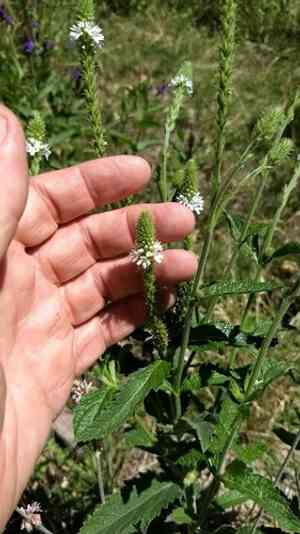
Macdougal verbena (Verbena macdougalii)
Also known as: Hillside verbena
Lavender (Lavandula) is a charming ornamental plant known for its vibrant purple flower spikes, which are ideal for adding height and color to garden beds and borders. These fragrant flowers are highly attractive to bees, butterflies, and other pollinators. Lavender flourishes in full sun and should be planted in a sheltered spot to shield its delicate stems from strong winds.
In This Article
Attributes of Macdougal verbena
Lifespan
Perennial
Plant Type
Herb
Plant Height
1.6 m
Spread
60 cm
Leaf Color
Green
Flower Size
1-2 cm
Flower Color
Pink Purple
Images of Macdougal verbena
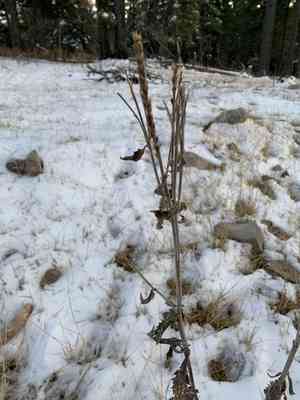
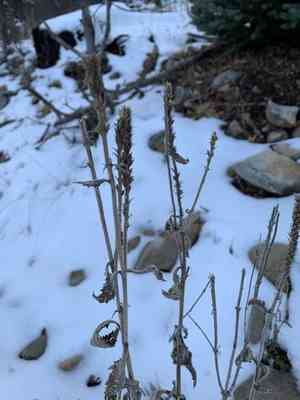
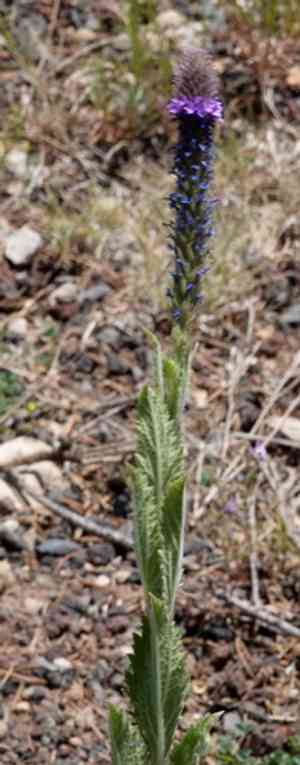
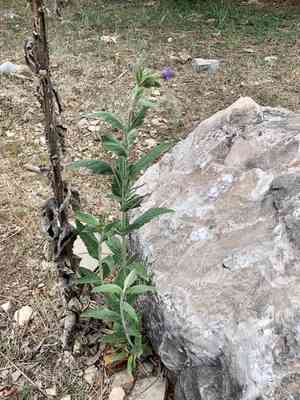
Quickly Identify Macdougal verbena
1
To identify Verbena macdougalii, look for tall, upright stems with lance-shaped, serrated leaves. The plant produces dense clusters of small, bright purple flowers atop the stems during its blooming season.
Scientific Classification of Macdougal verbena
Phylum
Vascular plants
Class
Dicotyledons
Order
Lamiales
Family
Verbena
Genus
Vervains
Species
Macdougal verbena
Planting and Growing of Macdougal verbena
Care Difficulty
Easy
Watering Schedule
Every 4 days
Sunlight Requirements
Full sun
Sunshine Duration
4-6 hours
Ideal Temperature
60-75℉
Soil Type
Potting Mix, Peat Mix
Soil pH
6.5-7.5
Fertilizer Type
Balanced
Pruning Season
Spring, Summer
Pruning Area
Branches, Leaves
Pruning Frequency
2 times a year
Repotting Season
Spring
Pot Type
Plastic, Ceramic
 How to Water Macdougal verbena?
For Verbena macdougalii, watering should be done generously, providing about 500 milliliters each time. Ensure that the soil is evenly moist but not waterlogged. The goal is to reach a balance where the roots receive ample moisture without creating a soggy environment that can lead to root rot.
What are the symptoms of an underwatered Macdougal verbena?
›
What should I do if my Macdougal verbena is not getting enough water?
›
What are the symptoms of an overwatered Macdougal verbena?
›
How to save an overwatered Macdougal verbena?
›
 What Are the Sunlight Requirements for Macdougal verbena?
Ideally, Verbena macdougalii benefits most from full sun exposure. This condition ensures robust growth and abundant blooms, maximizing its ornamental appeal and health.
More About Sunlight Requirements Techniques→
What is Verbena macdougalii's ideal sunlight exposure?
›
How can I achieve optimal sunlight for Verbena macdougalii?
›
What are the benefits of providing ideal sunlight conditions?
›
 What Is the Ideal Temperature Range for Macdougal verbena?
The ideal temperature range for growing Verbena macdougalii is between 60°F and 75°F. This range provides optimal conditions for growth, allowing the plant to thrive and produce vibrant blooms. Within this range, enzymes function efficiently, photosynthesis is maximized, and stress factors are minimized, leading to healthier plant development.
 What Soil is Best for Macdougal verbena?
Verbena macdougalii thrives in well-drained soils, which helps prevent root rot. Drainage ensures that the roots get enough oxygen, enhancing the plant's growth and flowering. This plant benefits from a nutrient-rich soil, ideally with organic matter. The abundance of nutrients helps in vigorous growth and vibrant blooms. The plant needs soil with moderate moisture levels. It requires regular watering but the soil must never be waterlogged, promoting healthy root development.
 How to Fertilize Macdougal verbena?
Verbena macdougalii requires a balanced approach to fertilization to thrive. For liquid fertilizers, a concentration of 100 ppm nitrogen is optimal when applied twice a month. This ensures steady growth and flowering without causing nutrient burn. Meanwhile, for slow-release fertilizers, follow the product's recommended label rate, generally using about one ounce per square foot annually.
 How to Prune Macdougal verbena?
Begin by examining the plant’s overall structure to identify areas that need thinning, removing dead or diseased wood, or shaping for aesthetics and growth. Concentrate on areas that appear dense, lack air circulation, or crowd other branches. To stimulate new blooms, cut back spent flowers by trimming stems to just above a leaf node. This practice allows the plant to redistribute resources to new buds, encouraging a fuller bloom season. Remove any yellowed or diseased leaves promptly. Clear away debris around the base of the plant to prevent fungal growth and pests, ensuring a healthy environment for the Verbena macdougalii.
More About Pruning Techniques→
 How to Propagate Macdougal verbena plant?
1
Mix a sterile seed-starting medium that is light and well-draining to provide an ideal environment for seed germination. Ensure the medium is moist, but not waterlogged.
2
Select healthy, non-flowering stem tips for cuttings. Cut sections of about 4-6 inches, remove the lower leaves, and allow them to dry slightly before planting.
3
Carefully dig up the plant and separate the roots into two or more sections. Ensure each division has a good amount of roots and at least one growth node.
 How to Repot Macdougal verbena plant?
1
Repot Verbena macdougalii when you notice roots emerging from the drainage holes, or when the soil is no longer retaining moisture adequately. These signs indicate that the plant has outgrown its current pot and needs more space to thrive.
2
Select a pot that is one size larger than the current pot, with ample drainage holes. This ensures proper water drainage and prevents root rot, while allowing room for the roots to grow. A slightly larger pot also prevents over-watering issues.
3
Opt for a well-draining potting mix with a blend of peat, perlite, and compost. This mix retains moisture yet allows excess water to escape, which is crucial for preventing waterlogged conditions and ensuring healthy root development.
Learn More About Macdougal verbena Diseases
Anthracnose
Bacterial Leaf Spot
Bacterial Soft Rot
Bacterial Wilt
Black Spot
Chemical Injury
Crown Gall
Damping-off
Downy Mildew
Drought Stress
Fusarium Wilt
Gray Mold
Leaf Curl
Leaf Spot
Mosaic
Nutrient Deficiency
Nutrient Toxicity
Powdery Mildew
Root Rot
Root-knot Nematode
Rusts
Sooty Mold
Spider Mites
Temperature Stress
Thrips Damage
White Mold



