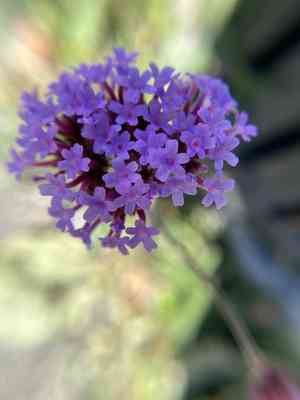
Purpletop vervain (Verbena bonariensis)
Also known as: Tall vervain, South american vervain
The Jacaranda mimosifolia is a flowering plant indigenous to South America. It sheds its leaves in autumn and blooms with fragrant lavender flowers.
In This Article
Attributes of Purpletop vervain
Lifespan
Perennial, Annual, Biennial
Plant Type
Herb
Plant Height
1.8 m
Spread
90 cm
Leaf Color
Green
Flower Size
5 mm to 6 mm
Flower Color
Purple Violet
Images of Purpletop vervain
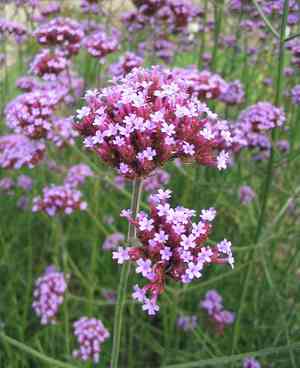
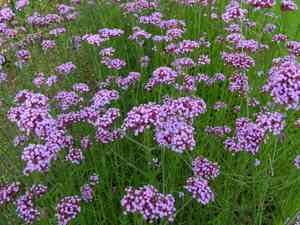
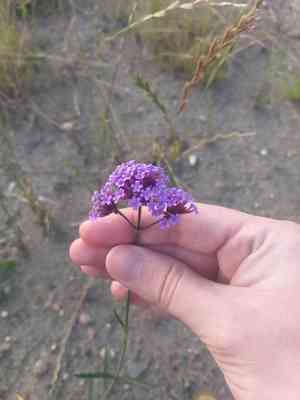
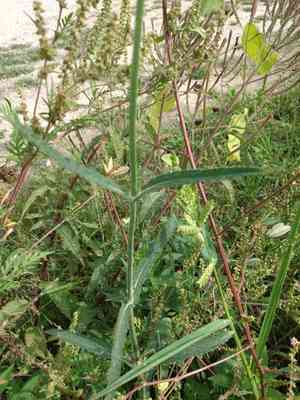
Quickly Identify Purpletop vervain
1
Lance-shaped leaves with jagged edges form a textured rosette.
2
Clusters of small purple blooms, each about 0.25 inches (0.63 cm) long.
3
Salver-shaped flowers in dense clusters, creating vibrant color display.
4
Small, brown seed capsules, around 1/8 inch (3 mm) in diameter.
5
Thin, upright stems with red-ridged angles and square cross-section.
Scientific Classification of Purpletop vervain
Phylum
Vascular plants
Class
Dicotyledons
Order
Mints plantains olives and allies
Family
Verbena
Genus
Vervains
Species
Purpletop vervain
Planting and Growing of Purpletop vervain
Care Difficulty
Easy
Watering Schedule
Every 2 days
Sunlight Requirements
Full sun
Sunshine Duration
4-8 hours
Ideal Temperature
60-80℉
Soil Type
Potting Mix, Peat Mix
Soil pH
6.5-7.5
Fertilizer Type
Balanced
Pruning Season
Spring, Summer
Pruning Area
Branches, Leaves
Pruning Frequency
2 times a year
Repotting Season
Spring
Pot Type
Plastic, Ceramic
 How to Water Purpletop vervain?
For Verbena bonariensis, it's important to follow the 'soak and dry' method. Each time you water, ensure the soil is evenly moist yet not waterlogged. A measure of about 500 ml should saturate the soil to the desired depth.
More About Watering Techniques→
What are the symptoms of an underwatered Purpletop vervain?
›
What should I do if my Purpletop vervain is not getting enough water?
›
What are the symptoms of an overwatered Purpletop vervain?
›
How to save an overwatered Purpletop vervain?
›
 What Are the Sunlight Requirements for Purpletop vervain?
Verbena bonariensis ideally requires full sun, which means at least 6 to 8 hours of direct sunlight a day. This light exposure ensures robust growth and abundant flowering, maximizing the plant's ornamental appeal and health.
More About Sunlight Requirements Techniques→
How much light does Verbena bonariensis need daily?
›
What if my garden doesn’t get consistent sunlight?
›
What are the benefits of receiving ideal light levels?
›
 What Is the Ideal Temperature Range for Purpletop vervain?
The ideal temperature range for cultivating Verbena bonariensis is between 60°F and 80°F. This range allows for optimal growth and flowering while maintaining plant health. At these temperatures, photosynthesis and metabolic processes occur efficiently, supporting healthy foliage and vibrant blooms.
 What Soil is Best for Purpletop vervain?
Verbena bonariensis thrives in soil with excellent drainage. This prevents waterlogging, which can lead to root rot and other water-related diseases. Well-draining soil ensures the roots receive the necessary oxygen and helps maintain healthy growth. Although relatively unfussy about soil fertility, Verbena bonariensis benefits from soil enriched with organic matter. This improves nutrient availability and supports robust growth, leading to vibrant and prolonged flowering. While the soil needs to drain well, it should still retain some moisture to keep the plant hydrated. Achieving this balance helps prevent the plant from becoming stressed during dry spells.
More About Soil→
 How to Fertilize Purpletop vervain?
For Verbena bonariensis, it's crucial to balance fertilization to maintain vibrant growth. Use a balanced liquid fertilizer at half the recommended strength every two weeks during the growing season. Avoid over-fertilization as it can lead to excessive foliage growth with fewer flowers.
More About Fertilizing Techniques→
 How to Prune Purpletop vervain?
Start by locating faded blooms on your Verbena bonariensis. Use sharp garden scissors or pruners to snip directly below each spent flower. This process, called deadheading, encourages new blooms and keeps the plant looking tidy. For stems that are too long or causing the plant to look leggy, trim a third of their length back to encourage fuller growth. Always trim just above a leaf node to promote new branching and flowering from that point. In early spring, perform a more thorough cutback to prepare for the growing season. Reduce the plant to about a third of its size to rejuvenate its energy and encourage dynamic growth and abundant flowers throughout the year.
More About Pruning Techniques→
 How to Propagate Purpletop vervain plant?
1
First, obtain high-quality verbena seeds and soak them in water for a few hours to facilitate germination. This step is crucial as it softens the seed coat, promoting quicker sprouting once sown.
2
Use a well-draining seed starting mix. Fill the seed trays with this mix, ensuring the soil is moist but not waterlogged to provide an optimal growing environment for the seeds.
3
Sow the verbena seeds on the soil surface. Do not cover them with soil as they require light to germinate. Place the trays in a warm area or under grow lights to provide necessary warmth and light.
 How to Repot Purpletop vervain plant?
1
Verbena bonariensis indicates it's time for repotting when you notice roots growing out of the drainage holes, or the soil surface is uneven as the plant outgrows its pot. Ideally, repotting should occur in the growing seasons — spring, summer, or autumn — when the plant is actively growing and can quickly adapt to its new environment.
2
Selecting the correct pot for Verbena bonariensis ensures healthy growth. The chosen pot should be 1-2 inches larger in diameter than the current one, with sufficient drainage holes to prevent waterlogging. Using a clay or terracotta pot can help wick away excess moisture, thus avoiding root rot and ensuring proper aeration for the roots.
3
The ideal soil for repotting Verbena bonariensis is a well-draining potting mix with amendments like perlite or sand to enhance aeration. This type of soil prevents water accumulation around the roots, reducing the risk of root diseases and offering a balanced environment for robust growth.
Learn More About Purpletop vervain Diseases
Anthracnose
Bacterial Leaf Spot
Bacterial Soft Rot
Chemical Injury
Damping-off
Downy Mildew
Drought Stress
Fusarium Wilt
Gray Mold
Leaf Spot
Mosaic
Nutrient Deficiency
Nutrient Toxicity
Powdery Mildew
Root Rot
Root-knot Nematode
Rusts
Sooty Mold
Spider Mites
Temperature Stress
Thrips Damage
White Mold



