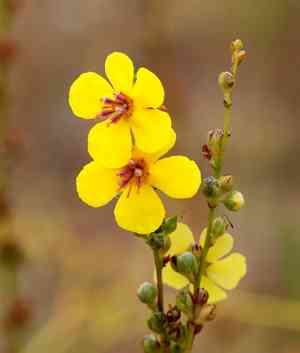
Mullein (Verbascum) (Verbascum)
Also known as: Mullein
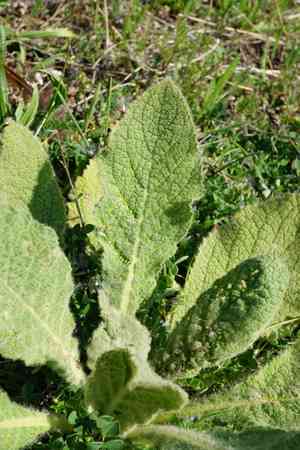
Mullein plants, part of the Verbascum genus in the figwort family, are notable for their tall, robust stems and small, cup-like flowers. The leaves are large, velvety, and often have a silvery appearance. Typically, these plants thrive in rocky hillsides or open woodlands. In garden settings, they are well-suited for cottage, gravel, or rock gardens. Historically, mullein leaves earned the nickname "Beggar's Blanket" because they were used by the poor to line their shoes for added warmth.
In This Article
Attributes of Mullein (Verbascum)
Lifespan
Biennial
Plant Height
1.2 m
Spread
40 cm
Leaf Color
Silvery-grey to green
Flower Size
2.5 cm to 8 cm
Flower Color
Yellow, white, purple
Images of Mullein (Verbascum)
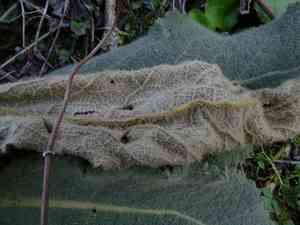
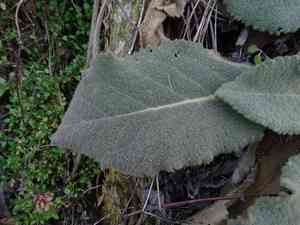
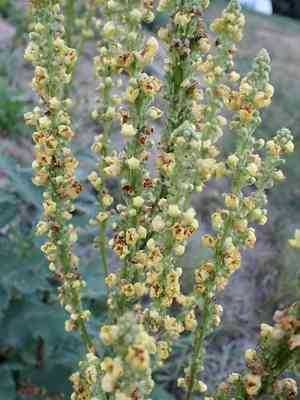
Quickly Identify Mullein (Verbascum)
1
Verbascum plants can be identified by their tall, erect growth habit, large, woolly leaves, and dense spikes of small, usually yellow, flowers. The leaves are often covered in a dense layer of white hairs, giving them a silvery or grey appearance.
Scientific Classification of Mullein (Verbascum)
Phylum
Magnoliophyta
Class
Magnoliopsida
Order
Lamiales
Family
Scrophulariaceae
Genus
Verbascum
Planting and Growing of Mullein (Verbascum)
Care Difficulty
Easy
Watering Schedule
Every 3 days
Sunlight Requirements
Full sun
Sunshine Duration
6-10 hours
Ideal Temperature
65-75℉
Soil Type
Potting Mix, Peat Mix
Soil pH
6.5-7.5
Fertilizer Type
Balanced
Pruning Season
Spring, Summer
Pruning Area
Branches, Leaves
Pruning Frequency
Once a year
Repotting Season
Spring
Pot Type
Plastic, Ceramic
 How to Water Mullein (Verbascum)?
Verbascum prefers a moderate watering approach, ensuring the soil remains lightly moistened without being waterlogged. Ideal watering allows the water to penetrate through, reaching the roots but leaving the top layer a bit dry to avoid root rot.
What are the symptoms of an underwatered Mullein (Verbascum)?
›
What should I do if my Mullein (Verbascum) is not getting enough water?
›
What are the symptoms of an overwatered Mullein (Verbascum)?
›
How to save an overwatered Mullein (Verbascum)?
›
 What Are the Sunlight Requirements for Mullein (Verbascum)?
Verbascum thrives in full sun conditions, ideally receiving 6-8 hours of direct sunlight daily. This lighting fosters vigorous growth, robust health, and prolific flowering.
What is the best light condition for Verbascum?
›
How to ensure optimal lighting for Verbascum?
›
What are the benefits of providing optimal light?
›
 What Is the Ideal Temperature Range for Mullein (Verbascum)?
The ideal temperature range for growing Verbascum is between 65°F and 75°F. This range ensures that the plant can perform essential physiological processes optimally, such as photosynthesis and respiration, leading to healthy growth and flowering.
 What Soil is Best for Mullein (Verbascum)?
Verbascum prefers well-draining soil to prevent root rot. Good drainage aids in keeping the roots healthy and encourages robust growth. While Verbascum can thrive in poorer soils, a loamy soil with moderate nutrient retention supports healthy flowering and foliage. This helps the plant sustain itself through seasonal changes. Sandy loam provides a balanced structure that retains nutrients while ensuring excess water drains away quickly. This balance aids floriferous developments in Verbascum.
 How to Fertilize Mullein (Verbascum)?
For Verbascum, use a balanced 10-10-10 fertilizer at half strength for liquid applications. Ensure the soil is slightly moist before applying to avoid root burn and to aid nutrient absorption.
 How to Prune Mullein (Verbascum)?
Ensure you have a pair of sharp, clean pruning shears to avoid disease transmission. Begin by assessing your Verbascum plant's overall shape and size, identifying stems that need shortening or removal. Prune back to a healthy bud or node to promote new growth efficiently. During the blooming seasons, cut back spent flower stalks to the base. By removing these, you not only tidy up the plant's appearance but also stimulate the development of fresh blooms. This step is crucial for extended flowering periods and better overall plant vigor.
 How to Propagate Mullein (Verbascum) plant?
1
Start by collecting seeds from a mature Verbascum plant. Soak them in warm water for 24 hours to soften the seed coat, aiding in germination. Then sow them in a seed tray filled with a seed-starting mix.
2
Using clean pruning shears, take 4-6 inch stem cuttings from the parent plant during the early spring. Ensure that each cutting has at least one pair of leaves and remove any lower leaves to prevent rot.
3
In late spring, select healthy roots and cut them into 2-3 inch sections. Plant these sections horizontally in a well-draining potting mix and lightly cover with soil to encourage root growth.
 How to Repot Mullein (Verbascum) plant?
1
Verbascum should be repotted when you notice that the plant has outgrown its current container, evident from roots protruding through drainage holes or reduced flowering. This typically occurs in the spring or early summer. It's crucial to repot before the plant becomes excessively root-bound, as this can hinder its growth and vitality.
2
Choose a pot that is one size larger than the current one, with ample drainage holes to prevent waterlogging. The pot should provide enough space for the root system to expand without being too large, which could retain excessive moisture and lead to root rot.
3
Opt for well-draining loamy soil mixed with some sand to facilitate drainage while providing adequate nutrients. This soil structure prevents water from stagnating around the roots, thus protecting them from rot and encouraging healthy growth.
Learn More About Mullein (Verbascum) Diseases
Anthracnose
Bacterial Leaf Spot
Bacterial Soft Rot
Chemical Injury
Damping-off
Downy Mildew
Drought Stress
Fusarium Wilt
Gray Mold
Leaf Spot
Mosaic
Nutrient Deficiency
Nutrient Toxicity
Powdery Mildew
Root Rot
Root-knot Nematode
Rusts
Sooty Mold
Spider Mites
Temperature Stress
Thrips Damage
White Mold

