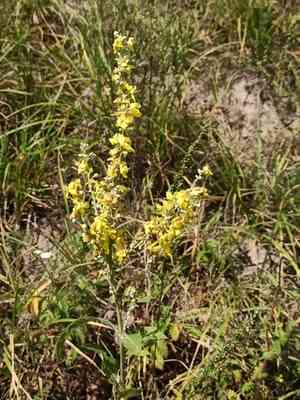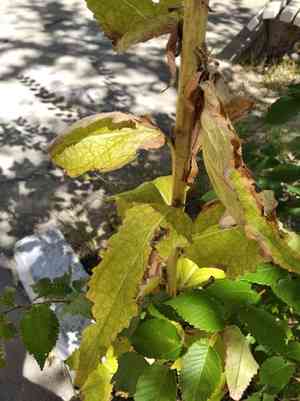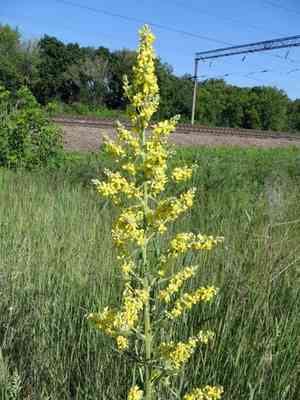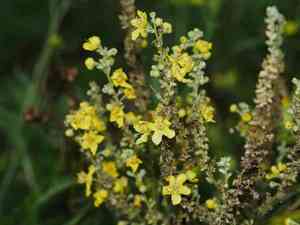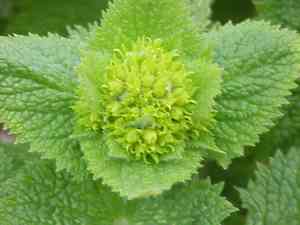
White mullein(Verbascum lychnitis)

White mullein (Verbascum lychnitis)

Also known as: White Mullein, Candlewick Mullein

White Mullein (Verbascum lychnitis) is a hermaphroditic plant, containing both male and female reproductive organs. Native to Eurasia, it is a preferred food source for the Mullein Moth. Additionally, in various regions, it is utilized to repel rodents.

Attributes of White mullein

Lifespan
Biennial, Perennial, Annual
Plant Type
Herb
Plant Height
1 m
Spread
60 cm
Leaf Color
Green Gray
Flower Size
1 to 2 cm
Flower Color
White Yellow

ForwardPlant - Identify plants with a snap

Identify and diagnose plants, get toxicity alerts, and explore safety guides for all types of fungi.

Try for Free

Images of White mullein

White mullein(Verbascum lychnitis)

Quickly Identify White mullein

1
Verbascum lychnitis can be identified by its tall, unbranched spikes bearing numerous white or yellowish flowers that bloom from the bottom upwards. The leaves are lanceolate and covered in fine hairs.

Scientific Classification of White mullein

Phylum
Vascular plants
Class
Dicotyledons
Order
Lamiales
Family
Figwort
Genus
Mullein
Species
White mullein

Planting and Growing of White mullein

Care Difficulty
Easy
Watering Schedule
Every 2 days
Sunlight Requirements
Full sun
Sunshine Duration
4-8 hours
Ideal Temperature
65-75℉
Soil Type
Potting Mix, Peat Mix
Soil pH
6.5-7.5
Fertilizer Type
Balanced
Pruning Season
Spring, Summer
Pruning Area
Branches, Leaves
Pruning Frequency
2 times a year
Repotting Season
Spring
Pot Type
Plastic, Ceramic

water icon How to Water White mullein?

For Verbascum lychnitis, water moderately to ensure the soil is moist but not waterlogged. Aim for 500 ml of water per session, letting the top inch of soil dry out between waterings. This ensures that the roots receive adequate moisture without being drowned, imitating their natural habitat.
What are the symptoms of an underwatered White mullein?
What should I do if my White mullein is not getting enough water?
What are the symptoms of an overwatered White mullein?
How to save an overwatered White mullein?

sunlight icon What Are the Sunlight Requirements for White mullein?

Sunlight Requirements: Full sun, Partial sun
Duration of light: 6 to 8 hours
Verbascum lychnitis thrives under partial to full sun conditions, benefiting from six to eight hours of light daily. Adequate sunlight ensures vibrant blooms, healthy foliage, and overall robust plant development.
Preferred Sunlight Type
Achieving Optimal Growth
Ideal Positioning Solution
More About Sunlight Requirements Techniques

temperature icon What Is the Ideal Temperature Range for White mullein?

Ideal Temperature: 65 ~ 75℉
The ideal temperature range for Verbascum lychnitis is between 65°F and 75°F. Within this range, the plant is able to photosynthesize efficiently and maintain healthy growth. Maintaining a stable temperature in this range helps the plant avoid stress that could hinder development and flowering.

soil icon What Soil is Best for White mullein?

Soil type: Sandy soil, Loam, Calcareous soil
Soil PH: 6.5 ~ 7.5
Verbascum lychnitis thrives in well-drained soils because excess water can lead to root rot. The sandy and loamy compositions allow for efficient water percolation, preventing waterlogging and encouraging healthy growth. This plant requires soils that are moderately rich in nutrients. Loam provides a balanced blend of sand, silt, and clay, which holds nutrients effectively, ensuring the plant receives adequate sustenance for robust flowering. With a preference for neutral to slightly alkaline soils, Verbascum lychnitis benefits from calcareous soils that provide the necessary pH balance. This environment helps optimize nutrient uptake and prevents mineral deficiencies.

fertilize icon How to Fertilize White mullein?

Fertilizer type: Balanced
For Verbascum lychnitis, a modest amount of fertilizer is ideal as they are not heavy feeders. Use around 1/4 to 1/2 teaspoon of water-soluble fertilizer per gallon of water. Avoid over-fertilization to prevent damage to the root system.

prune icon How to Prune White mullein?

Pruning Time: Spring, Summer
Start pruning Verbascum lychnitis by removing any dead, damaged, or diseased stems at their base. Use clean, sharp pruning shears to make clean cuts and promote healing. Focus on thinning out overcrowded areas to enhance airflow and light penetration, which will assist in reducing the incidence of fungal diseases and promote healthier growth. To shape the plant, you can selectively prune for aesthetic purposes. Trim back any excessively long or unruly stems to maintain the desired shape and size of the plant. It's best to cut just above a leaf node, as this encourages new branching and denser growth, giving the plant a more compact and attractive form. More About Pruning Techniques

propagate icon How to Propagate White mullein plant?

Propagate Time: Spring, Early summer, Late summer
1
Select a well-draining soil mix that is light and airy. Incorporate organic matter such as peat or compost to improve nutrient content and structure.
2
Sprinkle Verbascum lychnitis seeds onto the prepared soil, gently pressing them down to ensure contact with the soil surface. Do not cover them too deeply as they require light to germinate.
3
Cut a healthy shoot about 4-6 inches long. Remove any leaves from the lower part and plant it into damp soil or a propagation medium, ensuring it remains upright and stable.
More About Propagating Techniques

repot icon How to Repot White mullein plant?

Repotting frequency: Every 2-3 years
1
Signs that your Verbascum lychnitis needs repotting include root bound condition where roots start emerging from drainage holes, reduced flowering, or soil drying out faster than usual. Noticing yellowing leaves or general decline can also indicate it's time to provide fresh soil and more space for growth.
2
Select a pot that is one size larger than the current one, ensuring it has adequate drainage holes. The extra space helps accommodate new root growth and improves water management, preventing root rot and promoting vibrant, healthy plants.
3
Opt for a well-draining garden soil that retains some moisture while allowing excess water to escape. This soil type prevents waterlogging and promotes strong root development, critical for sustained flowering and healthy foliage.

ForwardPlant - Identify plants with a snap

Find the best spots for them to optimize their health, simply using your phone.

Try for Free

Toxicity of White mullein

Is White mullein toxic to humans?

White mullein exhibits a low level of toxicity to humans, primarily through the consumption of its seeds. These seeds contain rotenoids and saponins, compounds that are recognized for their potential harmful effects if ingested. Upon consumption, these substances can lead to various symptoms, including gastrointestinal issues marked by nausea, vomiting, and diarrhea. Furthermore, individuals may also experience dizziness or headaches due to toxic exposure. It is crucial for individuals to understand the risks linked to the accidental ingestion of white mullein's seeds, despite its mild toxicity, in order to avoid any negative health consequences.

Is White mullein toxic to cat?

White mullein is a plant that presents a toxic danger to cats. The risk of toxicity often arises when a cat inadvertently consumes it, especially the seeds, which are filled with harmful compounds like rotenoids and saponins. Once ingested, a cat may suffer physical distress, showing indications of illness or discomfort. Given these possible health hazards, it is vital for cat owners to remain attentive and keep their cats away from white mullein. If poisoning is suspected, prompt veterinary care is crucial to safeguard the health of the affected cat.

Is White mullein toxic to dog?

White mullein is regarded as toxic to dogs. Canines may inadvertently consume parts of white mullein, leading to poisoning. The primary avenue through which dogs become poisoned is by ingesting the plant's seeds, which they might mistake for something edible. After ingestion, dogs may display symptoms associated with poisoning. These symptoms can vary significantly but frequently include gastrointestinal issues such as vomiting and diarrhea, lethargy, and in severe cases, additional serious neurological signs or organ damage. The toxic compounds found in white mullein that contribute to its toxic nature are rotenoid and saponins. These substances can prove harmful to dogs if ingested in substantial amounts. It is essential for dog owners to restrict access to white mullein and to stay alert to their pet's surroundings. If there is any suspicion that a dog has consumed any part of white mullein, particularly the seeds, it is crucial to seek prompt veterinary attention to ensure the best possible outcome for the pet.

Identify toxic plants for your safety

Learn which plants are harmful to you and your pets, and make informed choices for a safer home!

Try for Free
WARNING
The judgment on toxicity and danger is for reference only. We DO NOT GUARANTEE any accuracy of such judgment. Therefore, you SHALL NOT rely on such judgment. It is IMPORTANT TO SEEK PROFESSIONAL ADVICE in advance when necessary.
More About Toxic Techniques