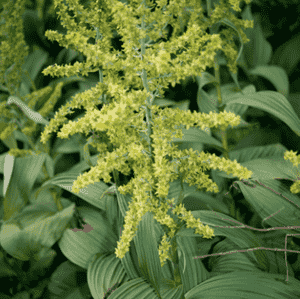
Veratrum viride(Veratrum viride)

Veratrum viride (Veratrum viride)

Also known as: False hellebore, Green false hellebore, Indian poke

Veratrum viride, commonly referred to as Indian poke, corn-lily, Indian hellebore, false hellebore, green false hellebore, or giant false-helleborine, is a plant species found in the eastern and western parts of North America, excluding the central region. This plant is highly poisonous and poses a threat to livestock, making it a problematic species for farmers. Within the areas it naturally grows, it is known by various other names such as American false hellebore, American white hellebore, bear corn, big hellebore, corn lily, devil's bite, duck retten, itchweed, poor Annie, blue hellebore, and tickleweed.

In This Article
Care Tips Toxicity

Attributes of Veratrum viride

Lifespan
Perennial
Plant Height
Up to 2 meters
Leaf Color
Dark green
Flower Size
Approximately 1 cm
Flower Color
Green

PlantJoy - Identify plants with a snap

Identify and diagnose plants, get toxicity alerts, and explore safety guides for all types of fungi.

Try for Free

Images of Veratrum viride

Veratrum viride(Veratrum viride)

Quickly Identify Veratrum viride

1
Identify this plant by its large, broad leaves that are pleated and its tall flower stalks that can reach up to 8 feet. The flowers are small and greenish-yellow, arranged in dense clusters.

Scientific Classification of Veratrum viride

Phylum
Magnoliophyta
Class
Liliopsida
Order
Liliales
Family
Melanthiaceae
Genus
Veratrum
Species
V. viride

Toxicity

Ingestion of leaves, stems, roots

Identify toxic plants for your safety

Learn which plants are harmful to you and your pets, and make informed choices for a safer home!

Try for Free
WARNING
The judgment on toxicity and danger is for reference only. We DO NOT GUARANTEE any accuracy of such judgment. Therefore, you SHALL NOT rely on such judgment. It is IMPORTANT TO SEEK PROFESSIONAL ADVICE in advance when necessary.
