
Texasgrass (Vaseyochloa multinervosa)
Also known as: Vaseyochloa
Vaseyochloa is a genus within the grass family, comprising a single species known as Vaseyochloa multinervosa, commonly referred to as Texasgrass. This species is indigenous to southern and south-central Texas.
In This Article
Attributes of Texasgrass
Lifespan
Perennial
Plant Type
Grass
Plant Height
0.5-1.5 meters
Spread
N/A
Leaf Color
Green
Flower Size
Small, typically less than 1 cm
Flower Color
Greenish or purplish
Images of Texasgrass

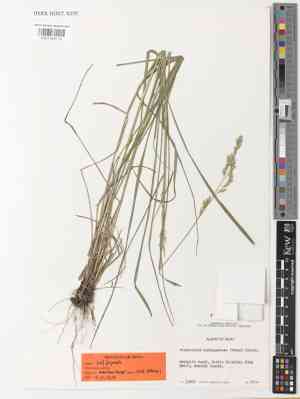


Quickly Identify Texasgrass
1
Identifying Vaseyochloa multinervosa involves looking for its key characteristics such as multiple veins on the leaves, its unique inflorescence, and its overall height and structure compared to other grasses.
Scientific Classification of Texasgrass
Phylum
Vascular plants
Class
Monocotyledons
Order
Poales
Family
Grass
Genus
Texasgrass
Species
Texasgrass
Planting and Growing of Texasgrass
Care Difficulty
Hard
Watering Schedule
Every 2 days
Sunlight Requirements
Partial sun
Sunshine Duration
4-6 hours
Ideal Temperature
68-77℉
Soil Type
Potting Mix, Peat Mix
Soil pH
6.5-7.5
Fertilizer Type
Balanced
Pruning Season
Spring, Summer
Pruning Area
Branches, Leaves
Pruning Frequency
Once a year
Repotting Season
Spring
Pot Type
Plastic, Ceramic
 How to Water Texasgrass?
Vaseyochloa multinervosa requires careful attention to soil moisture. Ideally, about 200 ml of water per session should suffice to keep the soil evenly moist without oversaturation. The goal is to allow the topsoil to dry slightly between waterings, promoting healthy root development without risking root rot.
What are the symptoms of an underwatered Texasgrass?
›
What should I do if my Texasgrass is not getting enough water?
›
What are the symptoms of an overwatered Texasgrass?
›
How to save an overwatered Texasgrass?
›
 What Are the Sunlight Requirements for Texasgrass?
Partial sun exposure is best for Vaseyochloa multinervosa. This lighting supports vigorous growth, vibrant leaf coloring, and robust health by balancing the intensity of sunlight the plant receives.
What is the best location for Vaseyochloa multinervosa?
›
How can we achieve the ideal light conditions?
›
What are the benefits of ideal lighting for this plant?
›
 What Is the Ideal Temperature Range for Texasgrass?
Vaseyochloa multinervosa thrives best in a temperature range between 68°F to 77°F. This range supports optimal physiological processes, ensuring healthy growth and development. Maintaining temperatures within this range minimizes stress, promoting robust plant health.
 What Soil is Best for Texasgrass?
Vaseyochloa multinervosa thrives in well-drained soils that prevent waterlogging. This ensures the plant's roots have plenty of access to oxygen, promoting vigorous growth and preventing root rot. Rich, loamy soils enhance the growth of Vaseyochloa multinervosa by supplying essential nutrients. This nutrient availability fosters robust development, ensuring lush foliage and sustainable plant health. Ideal soil should retain enough moisture without becoming soggy. This balance supports consistent hydration of the plant, crucial for its metabolic processes and overall vitality.
 How to Fertilize Texasgrass?
For Vaseyochloa multinervosa, a balanced approach to fertilization is crucial. Typically, apply 1 tablespoon of liquid fertilizer diluted in a gallon of water per plant once every two weeks. Use slow-release granules at a rate of 3 tablespoons per square foot annually during early spring to support robust growth.
 How to Prune Texasgrass?
Begin by examining the plant to identify dead, diseased, or damaged stems. Remove these first to prevent the spread of any potential pathogens and help the plant direct energy towards healthier growth. Trim back overgrown shoots to maintain the desired shape and encourage new growth. Thinning dense areas will improve light penetration and air circulation, aiding in the prevention of fungal diseases. Once pruning is complete, water the plant well to help it recover and apply a balanced fertilizer to support new growth. Keep an eye on the weather forecast to ensure no severe conditions follow soon after.
 How to Propagate Texasgrass plant?
1
To start propagation from seeds, first collect mature seeds from the plant. Ensure the seeds are fully ripened, indicated by a darkened color and firmness. Clean and dry the seeds thoroughly before storing them in a cool and dry place until planting season.
2
Prepare a well-draining soil mix for planting. A mixture of potting soil, sand, and perlite or vermiculite ensures good drainage. Fill seed trays or pots with the medium, leaving space for seeds or divisions. Moisten the soil lightly before planting.
3
For division propagation, carefully dig around the plant clump to avoid damaging roots. Separate the clump into smaller sections, ensuring each has a portion of the root system. Replant divisions at the same depth as the original plant, patting the soil firmly around the base.
 How to Repot Texasgrass plant?
1
Repotting Vaseyochloa multinervosa is best when you notice slowed growth, roots poking through drainage holes, or water sitting on the surface. These signs indicate the plant needs more space to develop its roots and access nutrients.
2
Select a pot with adequate drainage holes and only slightly larger than the current one. This ensures proper root growth and prevents waterlogging. A terracotta pot is great for moisture management and breathability, perfect for the plant's needs.
3
Opt for a well-draining sandy loam soil to support healthy root development and prevent root rot. This soil type promotes ventilation and effective nutrient uptake, crucial for Vaseyochloa multinervosa's thriving growth.



