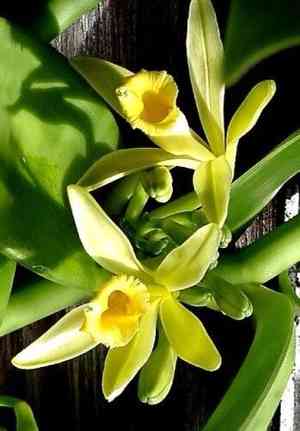
Flat-leaved vanilla (Vanilla planifolia)
Also known as: Vanilla
Vanilla planifolia, also known as flat-leaved vanilla, is an evergreen orchid vine that can grow up to 27 meters in length. This vine is renowned for producing the vanilla beans used to flavor a variety of sweet dishes. Its flowers are short-lived, lasting just one day, but multiple blooms can appear sequentially on the same stalk. While the plant thrives in bright light, it should be protected from direct, intense sunlight. Despite the appealing flavor of its beans, the plant's sap can irritate the skin, so it's advisable to wear gloves when handling or harvesting.
In This Article
Attributes of Flat-leaved vanilla
Lifespan
Perennial
Plant Type
Herb, Vine
Plant Height
1.8 m to 30 m
Spread
30 cm
Leaf Color
Green
Flower Size
5 cm
Flower Color
Yellow Green
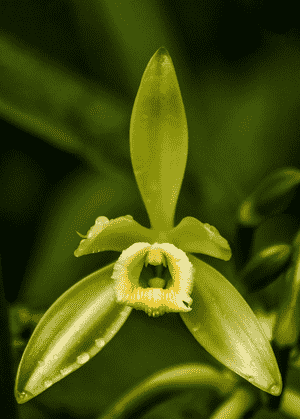
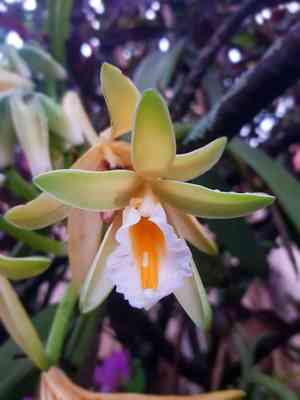
Images of Flat-leaved vanilla
Quickly Identify Flat-leaved vanilla
1
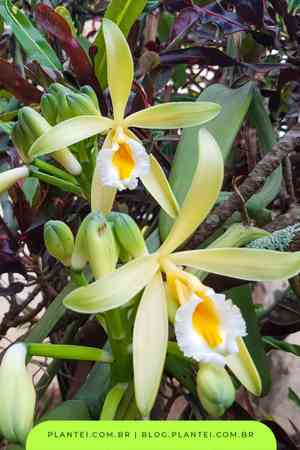
Vanilla planifolia can be identified by its long, climbing habit with thick, fleshy stems and flat, oblong leaves. The plant produces small, pale greenish-yellow flowers which eventually form pods if successfully pollinated.
Scientific Classification of Flat-leaved vanilla
Phylum
Vascular plants
Class
Monocotyledons
Order
Asparagales
Family
Orchid
Genus
Vanilla orchids
Species
Flat-leaved vanilla
Planting and Growing of Flat-leaved vanilla
Care Difficulty
Hard
Watering Schedule
Every 8 days
Sunlight Requirements
Partial sun
Sunshine Duration
4-6 hours
Ideal Temperature
70-86℉
Soil Type
Potting Mix, Peat Mix
Soil pH
6.5-7.5
Fertilizer Type
Balanced
Pruning Season
Spring, Summer
Pruning Area
Branches, Leaves
Pruning Frequency
2 times a year
Repotting Season
Spring
Pot Type
Plastic, Ceramic
 How to Water Flat-leaved vanilla?
When watering Vanilla planifolia, ensure the soil is moistened thoroughly, but avoid waterlogging. Ideally, the water should percolate through the soil until it begins to drain out the bottom of the pot, approximately 150-200 milliliters, depending on the pot size.
More About Watering Techniques→
What are the symptoms of an underwatered Flat-leaved vanilla?
›
What should I do if my Flat-leaved vanilla is not getting enough water?
›
What are the symptoms of an overwatered Flat-leaved vanilla?
›
How to save an overwatered Flat-leaved vanilla?
›
 What Are the Sunlight Requirements for Flat-leaved vanilla?
Vanilla planifolia thrives in partial sun. Ideal light boosts its photosynthetic rate, promotes healthier leaf coloration, and enhances flowering and pod formation potential.
More About Sunlight Requirements Techniques→
What is the optimal lighting setup for Vanilla planifolia?
›
How can you ensure Vanilla planifolia gets the right amount of sunlight?
›
What are the benefits of providing ideal lighting conditions for Vanilla planifolia?
›
 What Is the Ideal Temperature Range for Flat-leaved vanilla?
The ideal temperature range for growing Vanilla planifolia is between 70 and 86 °F. This temperature range ensures optimal growth and development, mirroring the warm, humid conditions of its native tropical habitat. Maintaining temperatures within this range will promote healthy foliage and successful flowering in this orchid species.
 What Soil is Best for Flat-leaved vanilla?
The soil should be rich in organic matter to support the robust growth of Vanilla planifolia. Using compost or well-rotted manure can be beneficial, providing essential nutrients that enhance the plant's growth and yield. Vanilla planifolia prefers soil that has good drainage to prevent root rot. Loamy or sandy loam soils ensure excess water can easily flow away, which is crucial for the plant's health and productivity. While drainage is important, the soil should still retain enough moisture to support the plant. This balance can be achieved with loam soil that retains moisture but drains excess water efficiently, preventing dehydration.
More About Soil→
 How to Fertilize Flat-leaved vanilla?
For Vanilla planifolia, it is ideal to provide a balanced fertilizer to maintain optimal growth. Typically, use about 10-15 grams of granular fertilizer per plant annually, ensuring it's well-integrated into the soil. Adjust based on the plant's growth rate and visual health, as over-fertilization can damage root systems.
More About Fertilizing Techniques→
 How to Prune Flat-leaved vanilla?
Start by identifying dead, diseased, or damaged branches. Trim these back to healthy growth. Look for overlapping vines and choose the weaker ones for removal to improve light penetration and air circulation. Encourage vertical growth by training the vine upward and removing lateral shoots that grow sideways. This helps the plant focus energy on producing strong, central vines and enhances support. Prune to maintain the overall structure of the vine, ensuring it remains tidy and well-shaped. Focus on maintaining a balance between old and new growth to encourage consistent flowering and vanilla pod production. After pruning, monitor the plant for signs of stress or disease. Provide adequate water and nutrients to support recovery and ensure a healthy regrowth cycle. Mulching can help retain moisture and protect roots.
More About Pruning Techniques→
 How to Propagate Flat-leaved vanilla plant?
1
Choose a healthy, mature vine from the plant to take cuttings. Ideally, the cutting should be about 6-8 inches long with at least two or three nodes. The nodes are crucial as they are the points from which roots will develop.
2
After cutting, trim the leaves from the bottom nodes to facilitate rooting. Dip the cut end into a rooting hormone to further stimulate root development. This step helps to increase the likelihood of successful propagation.
3
Plant the cutting in a small pot filled with an appropriate mix of perlite and peat moss. Ensure that the nodes are buried under the soil mix, and water lightly to avoid waterlogging but keep the medium moist.
 How to Repot Flat-leaved vanilla plant?
1
Vanilla planifolia needs repotting when the roots outgrow the container or the soil becomes compacted. Look for signs like roots emerging from drainage holes or yellowing leaves, signaling that it's time to give your vanilla orchid a fresh start with more room.
2
Select a pot that is slightly larger than the current one, with abundant drainage holes. Opting for terracotta or breathable materials helps prevent waterlogging, which is crucial for the health of Vanilla planifolia since it thrives best in well-drained conditions.
3
Choose a well-draining orchid mix that contains bark, perlite, and coir. This mix facilitates excellent aeration and drainage, replicating the plant’s natural epiphytic habitat and ensuring the roots receive the oxygen they need to prevent root rot.



