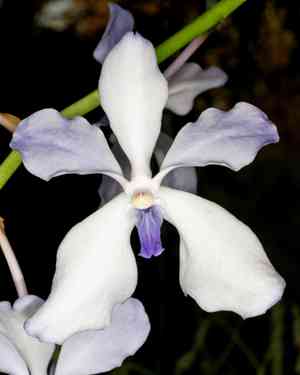
Vanda (Vanda) (Vanda)
Also known as: Vanda Orchids
Paphiopedilum is a genus of orchids comprising approximately 80 species native to southern Asia and the Malay Archipelago. They thrive mainly in well-lit forest environments. Many species face endangerment due to deforestation. While Paphiopedilum orchids are admired as potted plants, the collection and export of wild specimens are strictly protected.
In This Article
Attributes of Vanda (Vanda)
Lifespan
Perennial
Plant Height
1.3 m
Spread
15 cm
Leaf Color
Green
Flower Size
5-10 cm
Flower Color
Blue, Purple, White, Yellow, Orange
Images of Vanda (Vanda)
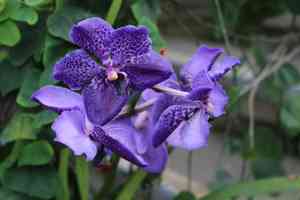
Quickly Identify Vanda (Vanda)
1
Vandas are identified by their large, fleshy roots, and they typically have thick leaves and vibrant, often fragrant flowers. Their flowers are usually flat and have bright, distinctive colors and patterns.
Scientific Classification of Vanda (Vanda)
Phylum
Magnoliophyta
Class
Liliopsida
Order
Asparagales
Family
Orchidaceae
Genus
Vanda
Planting and Growing of Vanda (Vanda)
Care Difficulty
Hard
Watering Schedule
Every 3 days
Sunlight Requirements
Partial sun
Sunshine Duration
4-6 hours
Ideal Temperature
65-80℉
Soil Type
Potting Mix, Peat Mix
Soil pH
6.5-7.5
Fertilizer Type
Balanced
Pruning Season
Spring, Summer
Pruning Area
Branches, Leaves
Pruning Frequency
2 times a year
Repotting Season
Spring
Pot Type
Plastic, Ceramic
 How to Water Vanda (Vanda)?
Vanda orchids require a careful balance in watering; they need enough water to keep their roots moist without being waterlogged. Ideally, you should water them with about 150 milliliters each time, ensuring that the roots turn a vibrant green. Overwatering should be avoided as Vandas are prone to root rot if left sitting in water.
What are the symptoms of an underwatered Vanda (Vanda)?
›
What should I do if my Vanda (Vanda) is not getting enough water?
›
What are the symptoms of an overwatered Vanda (Vanda)?
›
How to save an overwatered Vanda (Vanda)?
›
 What Are the Sunlight Requirements for Vanda (Vanda)?
Vandas flourish in partial sun, gaining four to six hours of bright but indirect sunlight daily. This facilitates lush growth and prolific blooms, enhancing their decorative potential.
How much light does Vanda need?
›
What are the challenges in getting ideal light?
›
What are the benefits of ideal lighting for Vanda?
›
 What Is the Ideal Temperature Range for Vanda (Vanda)?
Vanda orchids thrive in temperatures ranging from 65°F to 80°F. Consistent temperatures within this range can optimize growth and flowering. This ideal temperature range supports their metabolic processes and is comparable to the warm climate of Southeast Asia, where these orchids naturally grow.
 What Soil is Best for Vanda (Vanda)?
Vanda orchids thrive in well-drained soils as they mimic their native epiphytic environment, preventing root rot and ensuring adequate oxygen flow to the roots. These orchids benefit from a nutrient-rich medium, which supports their growth and vibrant blooming by providing essential elements over time. The soil should retain moisture while draining excess water. This balance is crucial to prevent dehydration and overwatering, which can harm the orchid.
 How to Fertilize Vanda (Vanda)?
Vanda orchids are sensitive to over-fertilization, so it's crucial to apply fertilizer at half the recommended strength of a balanced orchid fertilizer. Use about 1/4 teaspoon of liquid fertilizer per gallon of water.
 How to Prune Vanda (Vanda)?
Before starting, examine the Vanda orchid carefully. Look for leaves that are brown, shriveled, or diseased—they're the main targets for pruning. Cut the dead or damaged leaves at their base, close to the main stem. Ensure your cuts are clean and straight to promote quick healing and minimal disruption to the plant’s health. After the plant has finished flowering, remove the old flower spikes to redirect energy to the plant's growth. Cut the spike about an inch from the base. Vanda orchids often have aerial roots that should be preserved. These roots are vital for moisture and nutrient absorption. Only prune them if absolutely necessary, such as when they are clearly dead or damaged.
 How to Propagate Vanda (Vanda) plant?
1
Choose a strong and healthy Vanda orchid as your starting point to ensure viable propagation material and successful future growth.
2
For seed propagation and tissue culture, prepare a sterilized growth medium enriched with necessary nutrients to support the early growth stages.
3
Ensure that the growing environment has the right humidity, light, and temperature levels to promote healthy propagation and reduce stress on the plant.
 How to Repot Vanda (Vanda) plant?
1
Vanda orchids signal the need for repotting when their roots outgrow the pot or the potting mix deteriorates. Look for roots pushing out of the container or a mix that stays soggy and breaks down. This usually occurs every couple of years, typically in the spring or early summer when the plant exhibits active growth.
2
Select a pot that provides ample aeration, such as a slotted or net pot, which allows Vanda’s roots to breathe adequately. The pot should be sturdy to support the weight of the plant and its root system. Improper pot choice can lead to root rot or suffocation, hence maximize root health and drainage by opting for suitable orchid pots.
3
Use a bark-based orchid mix designed for orchids like Vanda. This type of medium supports air circulation around the roots, allowing excess water to drain easily and preventing root rot. The bark also mimics their natural substrate, promoting healthier growth. Ensure the medium is fresh for optimal nutrient support.

