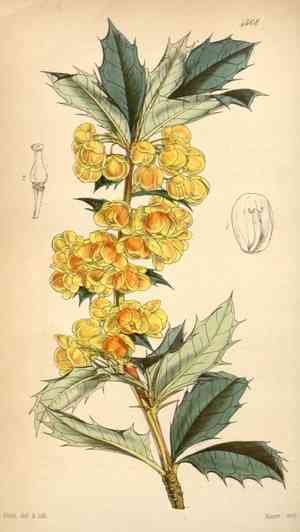
Redwood insideout flower (Vancouveria planipetala)
Also known as: Redwood ivy, Inside-out flower
The plant you're asking about is Vancouveria planipetala, commonly called redwood ivy or redwood insideout flower. It has heart-shaped leaves and is native to the western coast of the United States. This species is frequently grown for its ornamental value.
In This Article
Attributes of Redwood insideout flower
Lifespan
Perennial
Plant Type
Herb
Plant Height
20 cm
Spread
60 cm
Leaf Color
Green Bronze
Flower Size
1-1.5 cm (0.4-0.6 inches)
Flower Color
White
Images of Redwood insideout flower
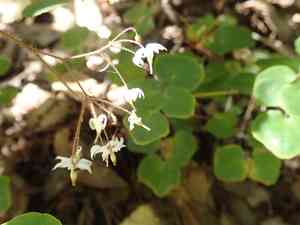
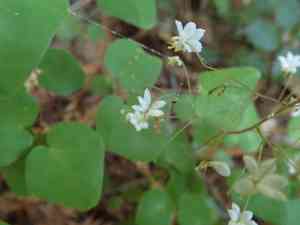
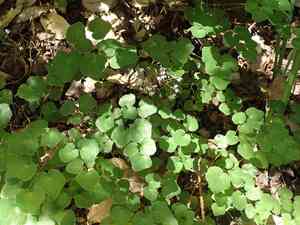
Quickly Identify Redwood insideout flower
1
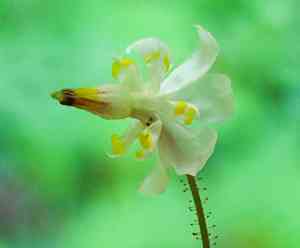
Vancouveria planipetala can be identified by its distinctive, tri-lobed leaves that resemble those of some woody ivy species. The plant also features small, delicate white flowers that appear inverted, giving it the common name of \'Inside-out flower\'.
Scientific Classification of Redwood insideout flower
Phylum
Vascular plants
Class
Dicotyledons
Order
Ranunculales
Family
Barberry
Genus
Inside-out flowers
Species
Redwood insideout flower
Planting and Growing of Redwood insideout flower
Care Difficulty
Easy
Watering Schedule
Every 3 days
Sunlight Requirements
Partial sun
Sunshine Duration
6-10 hours
Ideal Temperature
60-70℉
Soil Type
Potting Mix, Peat Mix
Soil pH
5.5-7.5
Fertilizer Type
Balanced
Pruning Season
Spring, Summer
Pruning Area
Branches, Leaves
Pruning Frequency
2 times a year
Repotting Season
Spring
Pot Type
Plastic, Terracotta
 How to Water Redwood insideout flower?
Vancouveria planipetala prefers a moderate amount of water. It's crucial to water until the soil feels damp but not waterlogged, which usually requires around 500ml per session. Ensure the water reaches deep into the soil, encouraging the roots to grow downward. This practice prevents surface roots, which tend to dry out faster.
What are the symptoms of an underwatered Redwood insideout flower?
›
What should I do if my Redwood insideout flower is not getting enough water?
›
What are the symptoms of an overwatered Redwood insideout flower?
›
How to save an overwatered Redwood insideout flower?
›
 What Are the Sunlight Requirements for Redwood insideout flower?
This plant prefers partial sun conditions, receiving 3 to 6 hours of indirect or filtered light. Proper lighting conditions enhance foliage density and promote resilient growth without stress.
More About Sunlight Requirements Techniques→
How can Vancouveria planipetala achieve ideal lighting?
›
What specific measures should I take for ideal lighting?
›
What are the benefits of ideal lighting conditions for this plant?
›
 What Is the Ideal Temperature Range for Redwood insideout flower?
The ideal temperature range for Vancouveria planipetala is between 60 and 70°F. Within this range, the plant can thrive and grow optimally, exhibiting vibrant leaf color and healthy growth patterns. This temperature range ensures that the metabolic processes within the plant are functioning efficiently, without stress from extreme heat or cold.
 What Soil is Best for Redwood insideout flower?
Vancouveria planipetala thrives best in well-draining soil, which helps prevent root rot and other issues associated with waterlogged soils. This is crucial for maintaining the health and vitality of the plant. While it prefers well-drained conditions, maintaining consistent moisture is key. This helps ensure the roots have access to water without the risk of drowning, allowing for steady growth. A soil rich in organic matter supports Vancouveria planipetala by providing essential nutrients, ensuring robust foliage and promoting healthy blooms. Incorporating compost can boost soil fertility.
 How to Fertilize Redwood insideout flower?
When fertilizing Vancouveria planipetala, it's important to use a balanced approach. Liquid fertilizers should be diluted according to the package instructions to prevent over-fertilization, while slow-release granules should be applied sparingly, generally about 1 tablespoon per square foot. Always ensure the soil is moist before applying any fertilizers to promote even nutrient absorption and minimize the risk of root burn.
 How to Prune Redwood insideout flower?
Although monthly pruning is recommended, be cautious not to remove more than one-third of the plant's mass at a time. Over-pruning can stress the plant, leading to reduced vitality and poor flowering. Always use clean, sharp pruning shears to prevent infection. Disinfecting tools before and after use helps ward off potential disease spread, ensuring that your Vancouveria planipetala remains healthy.
More About Pruning Techniques→
 How to Propagate Redwood insideout flower plant?
1
Collect seeds from mature Vancouveria planipetala plants during late summer. Dry them thoroughly before storing them in a cool, dry place. Seeds can then be stratified in the refrigerator for a few weeks to break dormancy before planting in early spring.
2
In early spring, gently dig up the Vancouveria planipetala plant. Separate the clump into smaller sections, ensuring each section has several viable roots. Replant the divided sections immediately to prevent drying out and to promote quick root establishment.
3
Once the seeds have germinated, transplant the seedlings into individual pots. Ensure these pots have well-draining soil and are placed in an area with indirect light. Gradually acclimate the seedlings to outdoor conditions before planting them in their final location.
 How to Repot Redwood insideout flower plant?
1
It's time to repot Vancouveria planipetala when you see roots emerging from the drainage holes or the plant becomes root-bound. This signals that the current pot is too small to accommodate its growth, and repotting will provide the needed space for healthy development.
2
Select a pot that is one size larger than the current one, with adequate drainage holes. A slightly bigger pot ensures the roots can spread comfortably, preventing waterlogging and promoting vigorous growth, ensuring the plant remains healthy and vibrant.
3
Opt for a well-draining loamy soil mix that retains some moisture yet drains excess water effectively. This soil type mimics the plant's natural habitat, ensuring it receives ample nutrients while avoiding root rot due to soggy conditions.
Learn More About Redwood insideout flower Diseases
Anthracnose
Bacterial Leaf Spot
Bacterial Soft Rot
Bacterial Wilt
Black Spot
Chemical Injury
Crown Gall
Cyst Nematode
Damping-off
Downy Mildew
Drought Stress
Fusarium Wilt
Gray Mold
Leaf Curl
Leaf Spot
Mosaic
Nutrient Deficiency
Nutrient Toxicity
Powdery Mildew
Root Rot
Root-knot Nematode
Rusts
Sooty Mold
Spider Mites
Temperature Stress
Thrips Damage
White Mold



