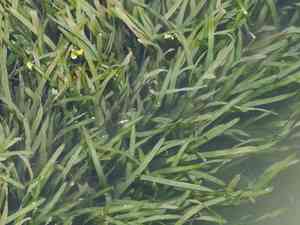
Eelgrasses (Vallisneria) (Vallisneria)
Also known as: Vallis
Vallisneria is a genus of aquatic plants that thrive in freshwater ponds and lakes. They exhibit a unique flowering pattern where male flowers detach and float to the surface to reach the stationary female flowers. Several species of Vallisneria are popular in the aquarium trade.
In This Article
Attributes of Eelgrasses (Vallisneria)
Lifespan
Perennial
Plant Height
0.3 - 1 meter
Spread
Not applicable
Leaf Color
Green
Flower Size
Tiny, about 0.5 cm
Flower Color
White or pale pink
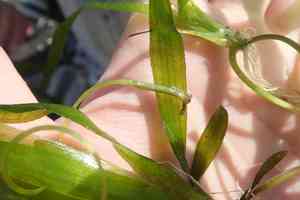
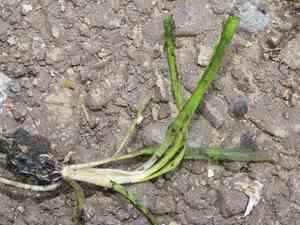
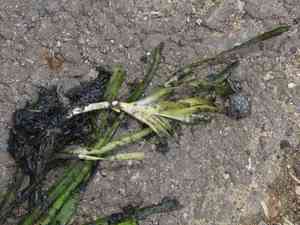
Images of Eelgrasses (Vallisneria)
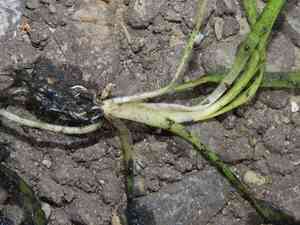
Quickly Identify Eelgrasses (Vallisneria)
1
Identify Vallisneria by looking for long, ribbon-shaped leaves that can grow up to several feet in length. They typically have a basal rosette formation, with leaves that are flat and often have a slight twist.
Scientific Classification of Eelgrasses (Vallisneria)
Phylum
Magnoliophyta
Class
Liliopsida
Order
Alismatales
Family
Hydrocharitaceae
Genus
Vallisneria
Planting and Growing of Eelgrasses (Vallisneria)
Care Difficulty
Easy
Watering Schedule
Every 8 days
Sunlight Requirements
Partial sun
Sunshine Duration
4-8 hours
Ideal Temperature
68-82℉
Soil Type
Potting Mix, Peat Mix
Soil pH
6.5-7.5
Fertilizer Type
Balanced
Pruning Season
Spring, Summer
Pruning Area
Branches, Leaves
Pruning Frequency
2 times a year
Repotting Season
Spring
Pot Type
Plastic, Ceramic
 How to Water Eelgrasses (Vallisneria)?
Vallisneria prefers consistent moisture levels in its environment. Therefore, when you water, ensure you provide around 500 ml of water each time. The goal is to keep the substrate damp to the touch but not waterlogged. This plant thrives in an aquatic setting, so you must maintain water quality, as poor quality often leads to deterioration.
What are the symptoms of an underwatered Eelgrasses (Vallisneria)?
›
What should I do if my Eelgrasses (Vallisneria) is not getting enough water?
›
What are the symptoms of an overwatered Eelgrasses (Vallisneria)?
›
How to save an overwatered Eelgrasses (Vallisneria)?
›
 What Are the Sunlight Requirements for Eelgrasses (Vallisneria)?
Partial sun exposure is ideal, offering Vallisneria the natural light needed for energy and sustain growth without over-exposing it to potentially harmful conditions.
What light conditions does Vallisneria thrive in?
›
How to achieve optimal lighting for Vallisneria?
›
What are the benefits of ideal light conditions for Vallisneria?
›
 What Is the Ideal Temperature Range for Eelgrasses (Vallisneria)?
The ideal temperature range for Vallisneria growth is between 68°F and 82°F. This range ensures optimal metabolic activity, photosynthesis, and nutrient absorption. Maintaining the temperature within this range can promote vigorous growth and minimize stress factors such as disease susceptibility. Vallisneria thrives best within these conditions as it replicates the natural temperatures found in its native habitats, providing a stable environment for consistent development.
 What Soil is Best for Eelgrasses (Vallisneria)?
Vallisneria thrives in well-drained soils which allow excess water to escape, preventing the roots from becoming waterlogged. This helps the plant absorb vital nutrients effectively and promotes healthy growth. A soil rich in organic matter provides Vallisneria with essential nutrients, ensuring vibrant and robust foliage. Adding compost or organic fertilizers can greatly enhance the soil's fertility. While Vallisneria prefers a well-drained environment, it also benefits from consistent moisture. Soil that retains moisture without becoming too wet is ideal for its steady growth.
 How to Fertilize Eelgrasses (Vallisneria)?
Vallisneria requires a balanced dosage of fertilizer to thrive. The ideal amount involves using approximately 1-2 milliliters of liquid fertilizer per gallon of water in your aquarium. This ensures the plant receives essential nutrients without overwhelming the aquatic environment.
 How to Prune Eelgrasses (Vallisneria)?
Look for leaves that are discolored, damaged, or growing excessively tall compared to others. Target these leaves to maintain a uniform and healthy-looking plant bed. Trim the identified leaves back to just above the base. Be careful to leave some height to the plant to encourage new growth from the base area.
 How to Propagate Eelgrasses (Vallisneria) plant?
1
Select healthy shoots from the parent plant and cut them with sharp shears. Ensure that each cutting has several leaves and is approximately 4-6 inches long for optimal growth potential.
2
Dip the base of each cutting into rooting hormone and gently insert it into a pot filled with moist potting mix. Ensure that at least one or two nodes are buried to facilitate rooting.
3
Carefully separate the plant rhizomes if propagating by division. Each section should have at least one growing point and adequate roots to support its growth when replanted.
 How to Repot Eelgrasses (Vallisneria) plant?
1
Look for signals such as stunted growth or crowded roots piercing through drainage holes. These signs indicate Vallisneria requires more space to flourish. Seasonally, spring or early summer is optimal for repotting as the plant is actively growing, ensuring swift recovery.
2
Choose a pot with ample space and good drainage. Ideally, a wide and shallow pot is suitable for Vallisneria, as it allows roots to spread efficiently and prevents water stagnation, which is crucial for aquatic plants such as this one.
3
Select a nutrient-rich aquatic substrate that supports aquatic plant life. The soil should offer a balance of anchoring properties and nutrient availability, promoting healthy root development and sustained growth in water.

