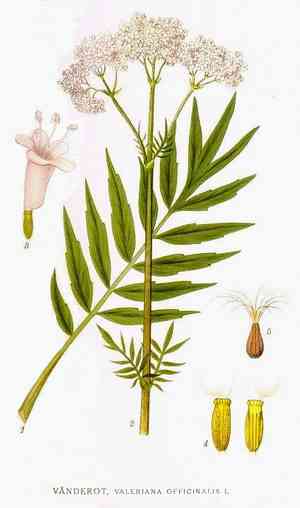
Valeriana (Valeriana) (Valeriana)
Also known as: Garden Heliotrope, All-Heal
Valeriana, or valerian, is a favorite among gardeners for several reasons. The plant grows easily from seeds and produces clusters of small, fragrant white or pink flowers during the summer months. These blooms are highly attractive to pollinators, making valerian a great addition to bee and butterfly gardens. Its hardiness and low maintenance needs also make it appealing to both novice and experienced gardeners.
In This Article
Attributes of Valeriana (Valeriana)
Lifespan
Perennial
Plant Height
Up to 1.5 meters
Spread
Approximately 0.5 meters
Leaf Color
Green
Flower Size
0.3-0.5 centimeter
Flower Color
Pink, White
Images of Valeriana (Valeriana)
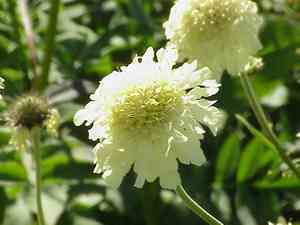
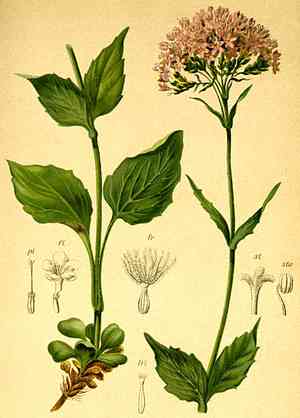
Quickly Identify Valeriana (Valeriana)
1
Valeriana plants typically have pinnate leaves divided into lance-shaped leaflets, with clusters of small, fragrant, pink or white flowers that bloom in the summer. The plant emanates a distinct earthy and somewhat unpleasant odor, especially when the roots are exposed.
Scientific Classification of Valeriana (Valeriana)
Phylum
Magnoliophyta
Class
Magnoliopsida
Order
Dipsacales
Family
Caprifoliaceae
Genus
Valeriana
Planting and Growing of Valeriana (Valeriana)
Care Difficulty
Easy
Watering Schedule
Every 3 days
Sunlight Requirements
Partial sun
Sunshine Duration
10-14 hours
Ideal Temperature
60-70℉
Soil Type
Potting Mix, Peat Mix
Soil pH
6.5-7.5
Fertilizer Type
Balanced
Pruning Season
Spring, Summer
Pruning Area
Branches, Leaves
Pruning Frequency
2 times a year
Repotting Season
Spring
Pot Type
Plastic, Ceramic
 How to Water Valeriana (Valeriana)?
Valeriana thrives when its soil is kept consistently moist. Avoid waterlogging, but ensure the soil thoroughly absorbs water each time. A good guideline is to water until you see the first signs of excess water draining from the pot’s base. Once the plant has had a chance to absorb, the topsoil should feel moist yet not soggy.
What are the symptoms of an underwatered Valeriana (Valeriana)?
›
What should I do if my Valeriana (Valeriana) is not getting enough water?
›
What are the symptoms of an overwatered Valeriana (Valeriana)?
›
How to save an overwatered Valeriana (Valeriana)?
›
 What Are the Sunlight Requirements for Valeriana (Valeriana)?
Valeriana requires partial sunlight, receiving ideally a mix of direct and indirect light throughout the day. Proper lighting ensures healthy growth, vibrant foliage, and optimal flowering.
What is the best lighting condition for Valeriana?
›
How can you achieve perfect lighting for Valeriana?
›
What are the benefits of ideal lighting conditions for Valeriana?
›
 What Is the Ideal Temperature Range for Valeriana (Valeriana)?
The ideal temperature range for cultivating Valeriana lies between 60 to 70°F. This range ensures optimal growth and is crucial for maintaining the plant's physiological processes. Within these temperatures, Valeriana efficiently conducts photosynthesis, nutrient absorption, and other vital functions, leading to healthy and robust growth.
 What Soil is Best for Valeriana (Valeriana)?
Valeriana prefers soil rich in organic matter. This nutrient-rich environment supports healthy growth and vibrant foliage, ensuring the plant has the energy it needs to thrive and produce its aromatic compounds. Well-drained soil is crucial for Valeriana to prevent root rot. Excess water can lead to root diseases, so ensuring the soil allows water to pass swiftly yet retains sufficient moisture fosters a healthy root system. While drainage is important, Valeriana also requires soil that retains some moisture. The perfect balance keeps roots cool and hydrated during dry spells, supporting consistent growth year-round.
 How to Fertilize Valeriana (Valeriana)?
Valeriana appreciates a balanced fertilization strategy. For liquid fertilizers, use a diluted solution where the concentration is about half of what is recommended for most houseplants. This ensures a steady nutrient supply without overwhelming the plant.
 How to Prune Valeriana (Valeriana)?
Regularly remove spent flowers to encourage more blooms and prevent the plant from going to seed too early. This can be done by pinching off the dead flowers just above the first set of healthy leaves. Cut back any leggy or overgrown stems to maintain a compact and tidy appearance. Use clean, sharp scissors to make cuts just above a leaf node to stimulate new growth. Prune Valeriana into a desired shape by cutting back stems evenly around the plant. This helps maintain balance and prevents the plant from becoming too heavy on one side.
 How to Propagate Valeriana (Valeriana) plant?
1
Begin by sowing valerian seeds in trays filled with a well-draining seed starting mix. Lightly cover the seeds with soil and keep them moist. A warm environment of around 20°C (68°F) will facilitate germination, which usually occurs within 2-3 weeks.
2
Select healthy stems from the valerian plant and use sharp shears to take cuttings about 10-15 cm long. Remove the lower leaves to expose nodes before dipping them in rooting hormone to encourage root growth.
3
In early spring, carefully dig up the valerian plant and divide the root clump into smaller sections. Replant these divisions at the same depth they were growing previously, in well-prepared soil to establish new plants.
 How to Repot Valeriana (Valeriana) plant?
1
Valeriana plants show they're ready for repotting when you notice roots circling the pot or emerging from the drainage holes. Additionally, slow growth or wilting despite proper care can signal the need for a new pot. Spring or early autumn are ideal times as they coincide with the plant's natural growth cycle.
2
Choose a pot that is one to two inches larger in diameter than the current one. This allows the roots sufficient space to grow, promoting healthy development. Pots with good drainage are essential to prevent waterlogging and root rot. The material can vary, but terracotta pots are often preferred for their breathability.
3
Valeriana thrives in well-draining loamy soil. The soil should retain some moisture but not remain soggy. A mix that includes perlite or sand enhances drainage. This kind of soil composition prevents the roots from suffocating while providing necessary nutrients.
Learn More About Valeriana (Valeriana) Diseases
Anthracnose
Bacterial Leaf Spot
Bacterial Wilt
Cyst Nematode
Damping-off
Downy Mildew
Drought Stress
Fusarium Wilt
Gray Mold
Leaf Spot
Mosaic
Nutrient Deficiency
Nutrient Toxicity
Powdery Mildew
Root Rot
Root-knot Nematode
Rusts
Sooty Mold
Spider Mites
Temperature Stress
Thrips Damage
White Mold
Chemical Injury

