
Velvetleaf huckleberry (Vaccinium myrtilloides)
Also known as: Sour-top bilberry, Velvetleaf blueberry
The velvetleaf huckleberry (*Vaccinium myrtilloides*) is a deciduous shrub prevalent across North America, especially around the Great Lakes region. Indigenous nations have long utilized this plant as a vital food source. The berries are often consumed fresh, incorporated into stews, or dried for later use in pemmican, a high-energy mixture of animal fat and dried berries. Additionally, the berries' rich color has been employed as a natural dye for items like porcupine quills.
In This Article
Attributes of Velvetleaf huckleberry
Lifespan
Perennial
Plant Type
Shrub
Plant Height
30 cm to 51 cm
Spread
60 cm to 90 cm
Leaf Color
Pale green
Flower Size
2.5 cm
Flower Color
White Pink Green Red
Images of Velvetleaf huckleberry
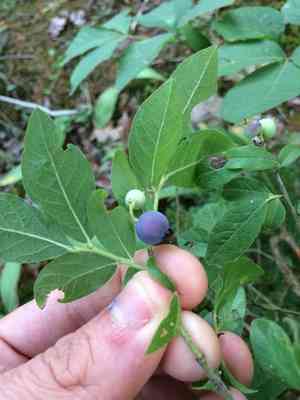
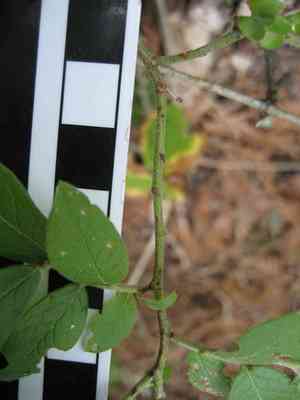
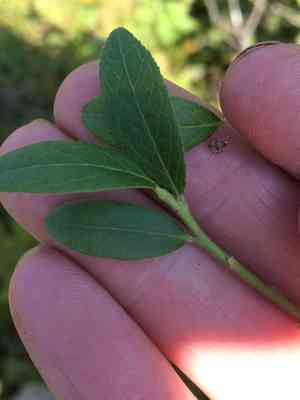
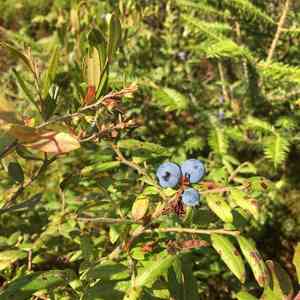
Quickly Identify Velvetleaf huckleberry
1
The velvetleaf blueberry can be identified by its soft, velvety pale green leaves, which are covered in fine hairs. The plant also features small, white to pink bell-shaped flowers, and produces dark blue to black berries.
Scientific Classification of Velvetleaf huckleberry
Phylum
Vascular plants
Class
Dicotyledons
Order
Ericales
Family
Heath
Genus
Blueberries
Species
Velvetleaf huckleberry
Planting and Growing of Velvetleaf huckleberry
Care Difficulty
Easy
Watering Schedule
Every 6 days
Sunlight Requirements
Partial sun
Sunshine Duration
6-10 hours
Ideal Temperature
60-75℉
Soil Type
Potting Mix, Peat Mix
Soil pH
4.2-5.5
Fertilizer Type
Balanced
Pruning Season
Spring, Summer
Pruning Area
Branches, Leaves
Pruning Frequency
2 times a year
Repotting Season
Spring
Pot Type
Plastic, Ceramic
 How to Water Velvetleaf huckleberry?
When watering Vaccinium myrtilloides, you want to ensure the soil is evenly moist, but not waterlogged. Aim for about 250 milliliters of water per session, enough to penetrate the root zone without leaving the soil soggy.
What are the symptoms of an underwatered Velvetleaf huckleberry?
›
What should I do if my Velvetleaf huckleberry is not getting enough water?
›
What are the symptoms of an overwatered Velvetleaf huckleberry?
›
How to save an overwatered Velvetleaf huckleberry?
›
 What Are the Sunlight Requirements for Velvetleaf huckleberry?
Vaccinium myrtilloides prospers in partial to full sun with 3 to 5 hours of light. Adequate sunlight fosters robust foliage, healthy flowering, and fruiting, contributing to the plant's long-term health and vibrancy.
More About Sunlight Requirements Techniques→
What is the best lighting condition for Vaccinium myrtilloides?
›
How can I achieve the ideal lighting for Vaccinium myrtilloides?
›
What benefits does Vaccinium myrtilloides have under ideal lighting?
›
 What Is the Ideal Temperature Range for Velvetleaf huckleberry?
Vaccinium myrtilloides, commonly known as velvetleaf blueberry, thrives optimally within the temperature range of 60°F to 75°F. This range provides a balance that supports active growth, flowering, and fruiting. If temperatures consistently remain within this band, the plant can efficiently photosynthesize, respire, and carry out metabolic processes, ensuring robust health and productivity.
 What Soil is Best for Velvetleaf huckleberry?
Vaccinium myrtilloides thrives in acidic soil conditions. They prefer a pH range of 4.2 to 5.5, which aids in optimal nutrient uptake, essential for vibrant foliage and high berry yield. These plants require well-draining sandy or peat soils to prevent root rot and ensure healthy root development, allowing them to absorb nutrients efficiently. Vaccinium myrtilloides prefer soils that can retain necessary moisture, yet are not waterlogged. This balance helps prevent stress, supporting healthy growth and fruit production.
 How to Fertilize Velvetleaf huckleberry?
Vaccinium myrtilloides, commonly known as the velvet-leaf blueberry, requires moderate fertilization. Generally, apply a balanced fertilizer such as 10-10-10, starting with 4 ounces per plant annually. For mature plants, this amount can be gradually increased up to 8 ounces, taking care not to exceed this to avoid nutrient overload.
 How to Prune Velvetleaf huckleberry?
Begin by assessing the overall shape and size of your Vaccinium myrtilloides. Look for branches that cross or grow inward, as well as any dead or weak shoots that can be removed. Start pruning from the base of the plant, removing any suckers and deadwood. Cut back to the main branches, ensuring each cut is made just above a healthy bud or lateral branch for optimal regrowth. If the plant is too dense, thin out some of the older branches to allow more light and air to penetrate, which will help in producing healthier fruit.
More About Pruning Techniques→
 How to Propagate Velvetleaf huckleberry plant?
1
For successful seed propagation, seeds need stratification, a process of treating seeds to simulate natural winter conditions. Place seeds in a damp paper towel, seal in a plastic bag, and refrigerate for 4-6 weeks before planting.
2
Take cuttings from a healthy mother plant during spring. Use garden shears to cut a 4-6 inch piece from a non-flowering shoot. Strip the lower leaves, leaving several at the top, and dip the cut end in rooting hormone.
3
During early summer, dig up a mature Vaccinium myrtilloides plant. Gently separate the plant into smaller clumps, ensuring each has roots and shoots. Replant divisions promptly in a prepared bed, ensuring ample spacing for growth.
 How to Repot Velvetleaf huckleberry plant?
1
Look for signs such as roots emerging from drainage holes or stunted growth. Spring and early summer are ideal, ensuring the plant can acclimate before going dormant in winter.
2
Choose a pot that is 1-2 inches larger in diameter than the current one. Ensure it has drainage holes to prevent water logging, which is crucial for Healthy Vaccinium myrtilloides growth.
3
Opt for acidic soil with good drainage, like a mix of peat, pine bark, and perlite. This helps mimic their natural habitat, promoting fresh root growth and nutrient uptake.
Learn More About Velvetleaf huckleberry Diseases
Anthracnose
Bacterial Leaf Spot
Crown Gall
Cyst Nematode
Damping-off
Downy Mildew
Drought Stress
Fusarium Wilt
Gray Mold
Leaf Curl
Leaf Spot
Mosaic
Nutrient Deficiency
Nutrient Toxicity
Powdery Mildew
Root Rot
Root-knot Nematode
Rusts
Sooty Mold
Spider Mites
Temperature Stress
Thrips Damage
White Mold



