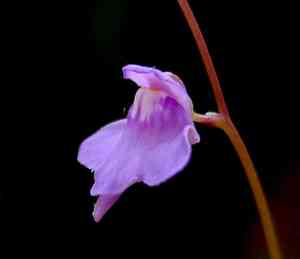
Bladderworts (Utricularia) (Utricularia)
Also known as: Bladderwort
Utricularia, or bladderwort, is a genus of carnivorous plants that utilize small bladder-like traps to capture and digest tiny aquatic or terrestrial prey. They are found in a variety of habitats including fresh water and wet soils.
In This Article
Attributes of Bladderworts (Utricularia)
Lifespan
Perennial
Plant Height
Varies by species, usually between 5-30 cm
Spread
Not applicable, as these plants don\'t form traditional crowns
Leaf Color
Green
Flower Size
2.5 cm
Flower Color
Typically yellow, but can be white, purple, or pink
Images of Bladderworts (Utricularia)
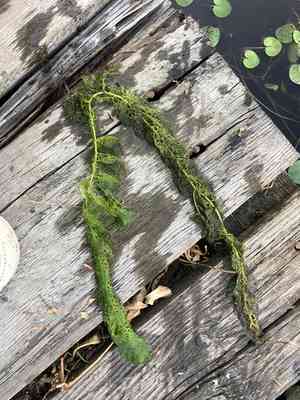
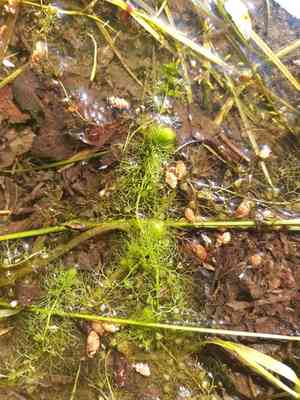
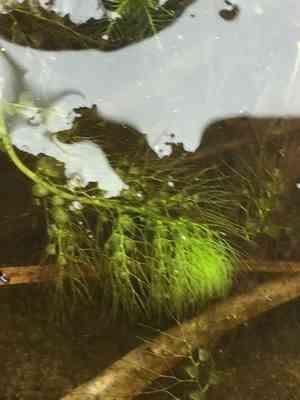
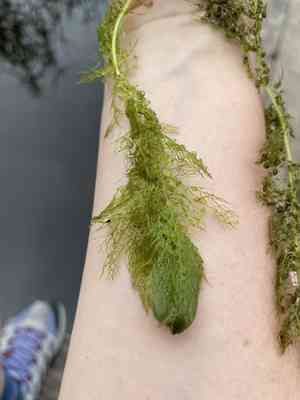
Quickly Identify Bladderworts (Utricularia)
1
Identify Utricularia by their unique bladder-like traps usually found submerged in water or moist substrates. They also have small, often yellow flowers.
Scientific Classification of Bladderworts (Utricularia)
Phylum
Tracheophyta
Class
Magnoliopsida
Order
Lamiales
Family
Lentibulariaceae
Genus
Utricularia
Planting and Growing of Bladderworts (Utricularia)
Care Difficulty
Moderate
Watering Schedule
Every 12 days
Sunlight Requirements
Partial sun
Sunshine Duration
4-6 hours
Ideal Temperature
70-80℉
Soil Type
Potting Mix, Peat Mix
Soil pH
4.5-6.5
Fertilizer Type
Balanced
Pruning Season
Spring, Summer
Pruning Area
Branches, Leaves
Pruning Frequency
2 times a year
Repotting Season
Spring
Pot Type
Plastic, Ceramic
 How to Water Bladderworts (Utricularia)?
For Utricularia, ensure that the soil remains consistently moist but not waterlogged. The goal is to mimic their natural wetland habitat. Water them with about 50 ml, focusing on maintaining slightly damp conditions without oversaturating the soil.
What are the symptoms of an underwatered Bladderworts (Utricularia)?
›
What should I do if my Bladderworts (Utricularia) is not getting enough water?
›
What are the symptoms of an overwatered Bladderworts (Utricularia)?
›
How to save an overwatered Bladderworts (Utricularia)?
›
 What Are the Sunlight Requirements for Bladderworts (Utricularia)?
Utricularia prefers partial sun to full shade, supporting its growth while preventing leaf damage. Ideal light fosters healthy development and supports optimal photosynthesis.
Optimal Location
›
Artificial Lighting
›
Seasonal Adjustment
›
 What Is the Ideal Temperature Range for Bladderworts (Utricularia)?
The ideal temperature range for Utricularia species is between 70°F and 80°F. Within this range, the plants are able to photosynthesize efficiently, leading to healthier and more robust growth. The plants also thrive in this temperature range because it mimics their natural habitats, primarily found in warmer and mildly humid environments.
 What Soil is Best for Bladderworts (Utricularia)?
Utricularia thrives in high humidity levels, often found in boggy or marsh-like conditions. This requirement ensures a consistent supply of moisture, promoting robust growth and enhancing the plant's natural insect-trapping abilities. Preferring nutrient-poor soil prevents competitive plant growth and ensures Utricularia's root system remains unhindered. The minimal nutrients encourage its reliance on insect trapping, vital for its survival in the wild. Soil with good drainage prevents root rot and other moisture-related diseases. Utricularia needs to sit in water, but well-drained soil keeps water moving, preventing stagnation that could be harmful.
 How to Fertilize Bladderworts (Utricularia)?
Utricularia, being a carnivorous plant, does not require heavy fertilization. A mild liquid fertilizer diluted to a quarter of its strength is sufficient. Apply it sparingly and avoid over-fertilization, as these plants derive much of their nutrients from captured prey.
 How to Prune Bladderworts (Utricularia)?
Utricularia, also known as bladderworts, require careful trimming of dead or overcrowded bladders where the plant traps prey. Use sharp scissors to snip off only the unnecessary or dead parts to prevent stress. Encourage vigorous growth by regularly deadheading the plant. Remove any wilted or spent flowers to direct the plant's energy back into producing healthy leaves and roots for efficient prey capture.
 How to Propagate Bladderworts (Utricularia) plant?
1
Utricularia seeds should be soaked in water for 24 hours to promote germination. This mimics their natural wetland conditions and helps soften the seed coat.
2
Sow the seeds in a moist, sterile peat moss medium. Ensure the seeds are not buried too deep; a light dusting over the surface is sufficient as they require light for germination.
3
For division, gently remove the plant from its container. Carefully tease apart sections with their own root systems using a sharp blade, ensuring at least one growth point per division.
 How to Repot Bladderworts (Utricularia) plant?
1
The optimal time to repot Utricularia is when its growth appears stunted, or its leaves seem overcrowded in the pot. Another signal is if the soil looks faded or waterlogged too frequently. These signs indicate the plant might benefit from a fresh environment and new soil nutrients.
2
Choose a pot that is just slightly larger than the current one, with good drainage holes to prevent waterlogging. A small to medium-sized plastic or ceramic pot that can hold moisture without becoming waterlogged is ideal. The right pot size ensures the roots have space to grow but do not get too much excess moisture.
3
Utricularia thrives in soil that is moist yet well-aerated. A combination of sphagnum moss and perlite offers both moisture retention and adequate air flow. This mix replicates their natural marshy habitats, ensuring healthy root development and botanical vigor.

