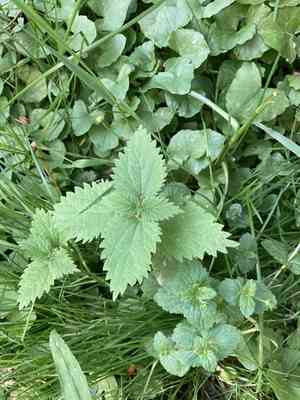
Urtica (Urtica) (Urtica)
Also known as: Stinging Nettle, Common Nettle, Nettle
Urtica plants, often recognized by their stinging hairs that cause skin irritation, have been traditionally utilized in various ways:
1. **Medicinal**: For generations, nettles have been employed in herbal remedies to alleviate conditions such as arthritis, allergies, and urinary problems, thanks to their anti-inflammatory and diuretic effects.
2. **Culinary**: Young nettle leaves are nutrient-rich and commonly used in cooking; they can be boiled or steamed and included in soups, stews, and herbal teas.
3. **Textiles**: The sturdy fibers from the stems of nettles have historically been crafted into fabrics, ropes, and fishing nets, particularly in Europe during times when other materials were scarce.
4. **Agricultural**: In sustainable farming practices, nettles serve as a natural fertilizer and pest deterrent, enhancing soil quality and supporting plant health.
5. **Dyeing**: Nettles have been used to create natural dyes, producing yellow or green colors for fabrics and other materials.
Attributes of Urtica (Urtica)
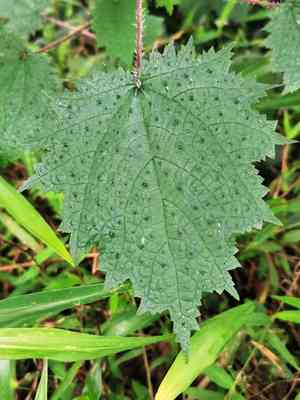
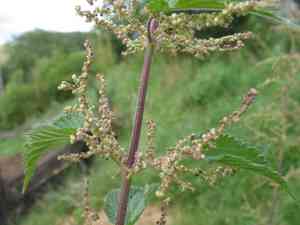
Images of Urtica (Urtica)
 How to Water Urtica (Urtica)?
 What Are the Sunlight Requirements for Urtica (Urtica)?
 What Is the Ideal Temperature Range for Urtica (Urtica)?
 What Soil is Best for Urtica (Urtica)?
 How to Fertilize Urtica (Urtica)?
 How to Prune Urtica (Urtica)?
 How to Propagate Urtica (Urtica) plant?
 How to Repot Urtica (Urtica) plant?

