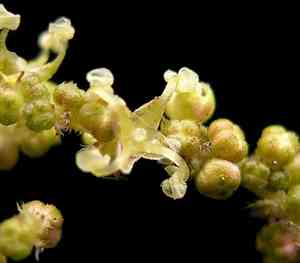
Stinging nettle (Urtica dioica)
Also known as: California nettle
Despite its various uses, the stinging nettle is most famous for its painful sting. This plant has tiny, sharp hairs on its leaves and stems that release irritating chemicals upon contact. Interestingly, Dorset, England holds an annual World Nettle Eating Championship, originating from a dispute between two farmers about their nettle problems. To safely eat stinging nettles, they need to be well-boiled to neutralize the sting.
Attributes of Stinging nettle
Images of Stinging nettle
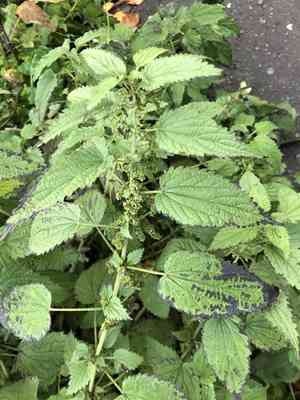
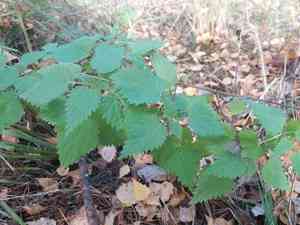
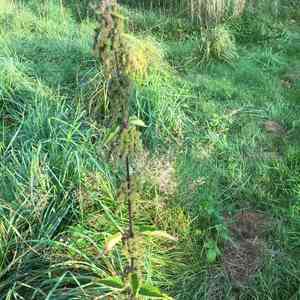
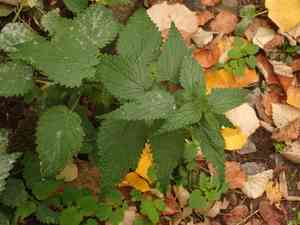
Quickly Identify Stinging nettle
Scientific Classification of Stinging nettle
Planting and Growing of Stinging nettle
 How to Water Stinging nettle?
 What Are the Sunlight Requirements for Stinging nettle?
 What Is the Ideal Temperature Range for Stinging nettle?
 What Soil is Best for Stinging nettle?
 How to Fertilize Stinging nettle?
 How to Prune Stinging nettle?
 How to Propagate Stinging nettle plant?
 How to Repot Stinging nettle plant?
Toxicity of Stinging nettle
Is Stinging nettle toxic to cat?
Stinging nettle is known to have a moderate level of toxicity for cats, and exposure typically happens when they ingest the plant. The most toxic components are mainly the leaves, which can lead to discomfort or illness in cats if consumed. Should a cat show symptoms of distress after encountering stinging nettle, it is crucial to pursue prompt veterinary attention in order to address the potential health impacts of this poisoning.
Is Stinging nettle toxic to dog?
The plant species known as stinging nettle is regarded as having a moderate degree of toxicity for dogs. Dogs can experience poisoning primarily through the consumption of this plant. When a dog eats parts of the stinging nettle, especially the leaves, which are recognized as toxic, it may display symptoms indicating poisoning. Potential symptoms include, but are not restricted to, vomiting, diarrhea, abdominal discomfort, and excessive salivation. It is essential for dog owners to keep a close watch on their pets and prevent them from chewing or consuming any portion of the stinging nettle. If a dog comes into contact with or ingests the leaves of stinging nettle, it is crucial to seek prompt veterinary assistance to ensure appropriate treatment and management of any possible toxic effects.



