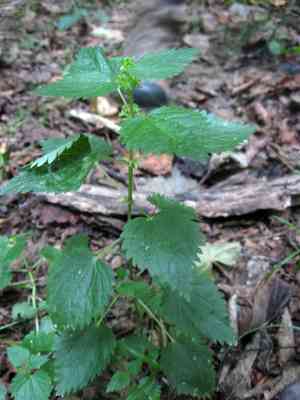
Heartleaf nettle (Urtica chamaedryoides)
Also known as: Slim Stinging Nettle, Heartwhole Nettle
The stinging nettle (Urtica dioica) is notable for its irritating hairs that can cause a rash upon contact. This plant also produces small greenish flowers that are attractive to butterflies, and its fibers are suitable for making textiles.
Attributes of Heartleaf nettle
Images of Heartleaf nettle
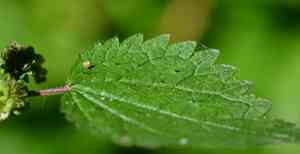
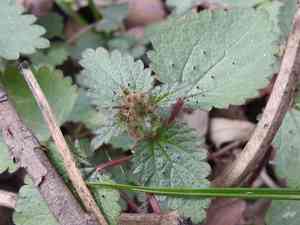
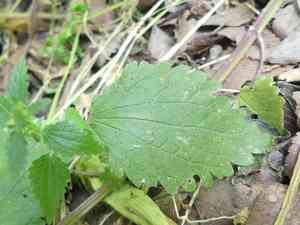
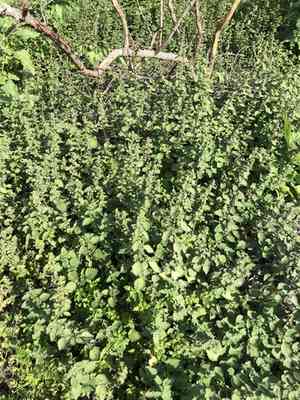
Quickly Identify Heartleaf nettle
Scientific Classification of Heartleaf nettle
Planting and Growing of Heartleaf nettle
 How to Water Heartleaf nettle?
 What Are the Sunlight Requirements for Heartleaf nettle?
 What Is the Ideal Temperature Range for Heartleaf nettle?
 What Soil is Best for Heartleaf nettle?
 How to Fertilize Heartleaf nettle?
 How to Prune Heartleaf nettle?
 How to Propagate Heartleaf nettle plant?
 How to Repot Heartleaf nettle plant?
Toxicity of Heartleaf nettle
Is Heartleaf nettle toxic to humans?
Heartleaf nettle is a hazardous plant known for potentially causing skin irritation upon contact. The stems, leaves, and petioles are covered with tiny stinging nettles, which contain chemical toxins such as formic acid. This is the substance responsible for the itchy and burning sensations experienced on the skin. Redness and swelling in the vicinity of the affected area are also frequent side effects. Additionally, if ingested or inhaled, the plant can induce respiratory distress. The severity of symptoms varies based on the individual’s allergic response. Those with pre-existing conditions such as asthma or chronic obstructive pulmonary disease (C.O.P.D.) should exercise caution when around this weed.



