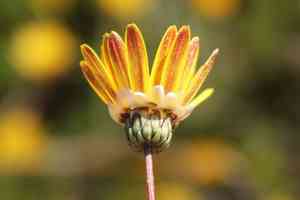
Ursinia dentata (Ursinia dentata)
Ursinia dentata is a sun-loving perennial with bright yellow, daisy-like flowers, each possessing a distinctive dark center. Its finely cut leaves form a lacey, fern-like mound, highlighting the vivid blooms. Thriving in well-drained soils, ursinia dentata has adapted to flourish in harsh, rocky habitats, showcasing nature's resilience. Its vivid floral display peaks during the late spring and summer months.
In This Article
Attributes of Ursinia dentata
Lifespan
Annual
Plant Type
Herb
Plant Height
15-30 cm
Spread
Varies with garden space as it spreads horizontally
Leaf Color
Gray-green
Flower Size
3-5 cm
Flower Color
Yellow, Orange
Images of Ursinia dentata
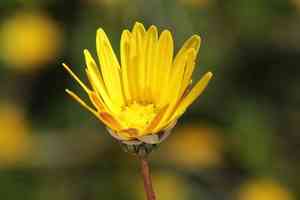
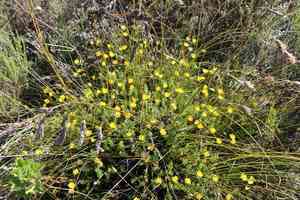
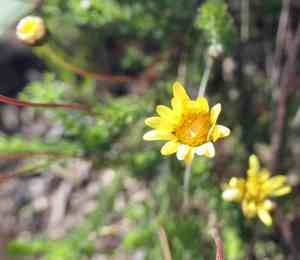
Quickly Identify Ursinia dentata
1
Ursinia dentata can be identified by its deeply lobed gray-green leaves and its striking yellow or orange flowers with central dark discs. The petals of the flower are often notched or toothed, which is a key identifying feature.
Scientific Classification of Ursinia dentata
Phylum
Vascular plants
Class
Dicotyledons
Order
Asterales
Family
Daisy
Genus
Ursinia
Species
Ursinia dentata
Planting and Growing of Ursinia dentata
Care Difficulty
Easy
Watering Schedule
Every 4 days
Sunlight Requirements
Full sun
Sunshine Duration
4-8 hours
Ideal Temperature
60-70℉
Soil Type
Potting Mix, Peat Mix
Soil pH
6.5-7.5
Fertilizer Type
Balanced
Pruning Season
Spring, Summer
Pruning Area
Branches, Leaves
Pruning Frequency
2 times a year
Repotting Season
Spring
Pot Type
Plastic, Ceramic
 How to Water Ursinia dentata?
For Ursinia dentata, it is essential to aim for about 250 milliliters per watering session. The goal is to keep the soil moderately moist without soaking it. This means the top inch of soil should feel damp to the touch without excess water pooling at the bottom.
What are the symptoms of an underwatered Ursinia dentata?
›
What should I do if my Ursinia dentata is not getting enough water?
›
What are the symptoms of an overwatered Ursinia dentata?
›
How to save an overwatered Ursinia dentata?
›
 What Are the Sunlight Requirements for Ursinia dentata?
Ursinia dentata thrives best in full sun conditions. This light range ensures its maximum blooming and vibrant health, supporting its physiological processes effectively and naturally.
What is the ideal location for Ursinia dentata?
›
How can we ensure it gets the right amount of light?
›
What benefits does ideal light offer Ursinia dentata?
›
 What Is the Ideal Temperature Range for Ursinia dentata?
To ensure optimal growth conditions for Ursinia dentata, the ideal temperature range should be maintained between 60°F and 70°F. This range allows the plant to effectively perform its physiological processes, promoting healthy growth, vibrant foliage, and abundant flowering. Any significant deviation from this range may lead to stress and affect the plant's overall health. Therefore, it is essential to monitor and maintain the temperature within this ideal range to ensure the well-being of Ursinia dentata.
 What Soil is Best for Ursinia dentata?
Ursinia dentata thrives in well-drained soil, which prevents waterlogging and root rot. Ensuring adequate drainage helps maintain root health and supports vigorous growth, leading to more vibrant blooms. While this plant can tolerate poorer soils, moderate fertility levels are beneficial. A balanced nutrient profile supports robust foliage and flower production, enhancing the plant's ornamental appeal. Although sandy soil is preferred, retaining some moisture is important to prevent the plant from drying out completely. This balance promotes steady water availability without excess moisture, critical for optimal plant health.
 How to Fertilize Ursinia dentata?
For Ursinia dentata, it is suggested to use a balanced liquid fertilizer diluted to half strength. Apply approximately 200 ml per plant evenly around the soil, ensuring the fertilizer does not touch the leaves to prevent burning.
 How to Prune Ursinia dentata?
Begin by inspecting the plant and identifying any dead or diseased stems. With clean and sharp pruning shears, trim these parts at the base to ensure healthy growth. Next, thin out the plant by cutting back any overcrowded branches to improve air circulation. Regular pinching of the tips can encourage bushier growth, promoting more blossoms. While pruning, maintain the natural contour of the plant, aiming to enhance its innate shape.
More About Pruning Techniques→
 How to Propagate Ursinia dentata plant?
1
Collect mature seeds from a healthy Ursinia dentata plant. Clean the seeds to remove any debris. It's beneficial to soak the seeds in water for 24 hours prior to sowing to soften the seed coat and improve germination rates.
2
Fill seed trays with the prepared soil medium and evenly spread the Ursinia dentata seeds across the surface. Cover the seeds lightly with a thin layer of soil. Ensure that the seeds are not buried too deep as this can hinder germination.
3
Water the seeds gently using a spray bottle or a fine mist setting on a hose to keep the soil moist but not soggy. Initial watering is crucial to settling the seeds in the soil. Be cautious to avoid washing away the seeds with excessive water pressure.
 How to Repot Ursinia dentata plant?
1
Ursinia dentata shows the need for repotting when you notice roots creeping through drainage holes or the plant's growth appears stunted. Spring and early summer offer the ideal conditions for changing pots as the plant enters an active growth phase. Ensuring this timing allows the plant to adjust better to its new environment.
2
Choose a pot that's 1-2 inches larger in diameter than the current one. Ensure it has excellent drainage holes. A slightly bigger pot gives roots space to grow, preventing overcrowding, thereby promoting healthier development and flourishing blooms.
3
Opt for a well-draining sandy mix that mimics its natural habitat. This type of soil reduces the risk of root rot, allowing water to drain swiftly while providing adequate aeration, which is essential for maintaining root health and promoting lush growth.
Learn More About Ursinia dentata Diseases
Anthracnose
Bacterial Leaf Spot
Bacterial Soft Rot
Bacterial Wilt
Black Spot
Chemical Injury
Crown Gall
Cyst Nematode
Damping-off
Downy Mildew
Drought Stress
Fusarium Wilt
Gray Mold
Leaf Curl
Leaf Spot
Mosaic
Nutrient Deficiency
Nutrient Toxicity
Powdery Mildew
Root Rot
Root-knot Nematode
Rusts
Sooty Mold
Spider Mites
Temperature Stress
Thrips Damage
White Mold


