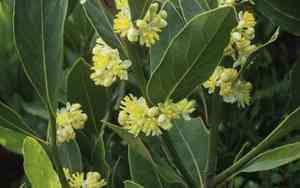
California bay laurel (Umbellularia californica)
Also known as: Oregon myrtle, California bay tree, Mountain laurel, Peppernut tree, Headache tree
Certainly! The California bay laurel tree serves multiple purposes:
1. **Cooking**: While sometimes used as a substitute for bay leaves, it has a much more intense flavor.
2. **Woodworking**: The wood is prized for its fine grain and is often used in the creation of furniture and as tonewood for musical instruments like guitars.
3. **Traditional Medicine**: Indigenous peoples use the leaves for their medicinal properties to treat ailments such as headaches and colds.
Attributes of California bay laurel
Images of California bay laurel
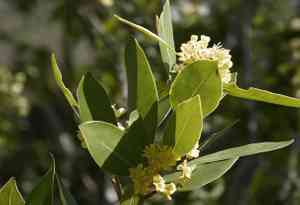
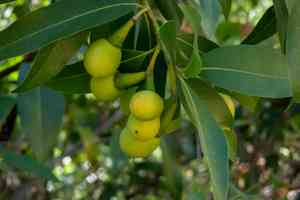
Quickly Identify California bay laurel
Scientific Classification of California bay laurel
Planting and Growing of California bay laurel
 How to Water California bay laurel?
 What Are the Sunlight Requirements for California bay laurel?
 What Is the Ideal Temperature Range for California bay laurel?
 What Soil is Best for California bay laurel?
 How to Fertilize California bay laurel?
 How to Prune California bay laurel?
 How to Propagate California bay laurel plant?
 How to Repot California bay laurel plant?
Toxicity of California bay laurel
Is California bay laurel toxic to humans?
The California bay laurel tree poses a limited danger, yet it houses a toxin that produces some quite peculiar effects. The leaves and their oils contain a ketone known as umbellulone, which can irritate the skin upon contact with the oil. Inhalation of its aroma can lead to intense headaches and excruciating chills. Other potential symptoms may include a runny nose, irritation of the eyes, breathing difficulties, haziness of mind, and a decrease in blood pressure. Being near even a single crushed leaf can trigger these symptoms. It is advisable to keep young children at a safe distance from this tree and prevent older children from climbing it.



