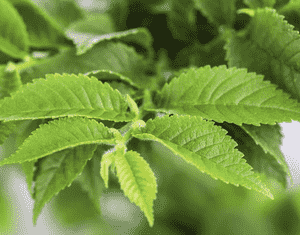
Ulmus × hollandica(Ulmus × hollandica)

Ulmus × hollandica (Ulmus × hollandica)

Also known as: Dutch elm,Wilt-elm, Holland elm

The Ulmus × hollandica Mill., often referred to just as the Dutch elm, is a naturally occurring hybrid of U. glabra (Wych Elm) and Ulmus minor (Field Elm). It is commonly found throughout Europe wherever the habitats of both parent plants overlap. R.H. Richens' field studies in England have reported the largest hybridization area to be a belt stretching from the border of Hertfordshire across Essex to Southern Suffolk. This is followed closely by northern Bedfordshire and adjacent areas in Northamptonshire, and similar zones are found in Picardy and Cotentin in northern France. Crossbreeding between U. × hollandica and any of the parent species are still labeled as U. × hollandica. Both natural and artificially cultivated hybrids of Ulmus × hollandica have found popularity and are widely grown across different regions. The term 'hollandica' as a botanical name for a variety of elm was first implemented by Plukenet in 1697, who used it to describe a cultivar from this group that is now known as 'Major'.

Attributes of Ulmus × hollandica

Lifespan
Ulmus x hollandica, also known as Dutch Elm, is a deciduous tree, shedding its leaves seasonally.
Plant Height
15 meters
Spread
7 meters
Leaf Color
Green
Flower Size
No specific flower diameter, as flowers are small and inconspicuous
Flower Color
No specific flower color, as flowers are small and inconspicuous

ForwardPlant - Identify plants with a snap

Identify and diagnose plants, get toxicity alerts, and explore safety guides for all types of fungi.

Try for Free

Images of Ulmus × hollandica

Ulmus × hollandica(Ulmus × hollandica)

Quickly Identify Ulmus × hollandica

1
The species grows rapidly in damp but well-drained soils and can reach great size and age, although it is susceptible to Dutch elm disease. The leaves are alternate, 7–12 cm long, with a doubly serrate margin and an oblique base, and hold their colour well into the autumn.

Scientific Classification of Ulmus × hollandica

Phylum
Magnoliophyta
Class
Magnoliopsida
Order
Rosales
Family
Ulmaceae
Genus
Ulmus
Species
U. × hollandica

Planting and Growing of Ulmus × hollandica

Watering Schedule
Every 3 days
Sunlight Requirements
Full sun
Sunshine Duration
4-8 hours
Ideal Temperature
60-75℉
Soil Type
Potting Mix, Peat Mix
Soil pH
6.5-7.5
Fertilizer Type
Balanced
Pruning Season
Spring, Summer
Pruning Area
Branches, Leaves
Pruning Frequency
2 times a year
Repotting Season
Spring
Pot Type
Plastic, Ceramic

water icon How to Water Ulmus × hollandica?

When watering Ulmus × hollandica, utilize a 'deep watering' approach, ensuring the soil is soaked thoroughly but not waterlogged. This revolves around giving the roots enough hydration to penetrate deeply, approximately 1000 milliliters each time. A deep soak every 10 days should suffice, allowing for optimal moisture absorption while avoiding stagnant water conditions.
What are the symptoms of an underwatered Ulmus × hollandica?
What should I do if my Ulmus × hollandica is not getting enough water?
What are the symptoms of an overwatered Ulmus × hollandica?
How to save an overwatered Ulmus × hollandica?

sunlight icon What Are the Sunlight Requirements for Ulmus × hollandica?

Sunlight Requirements: Full sun, Partial sun
Duration of light: 6 to 8 hours daily
Ulmus × hollandica thrives with a sunlight exposure range of full sun to partial sun conditions, fostering strong foliage, enhanced photosynthesis, and improved disease resistance.
What is the best lighting condition for Ulmus × hollandica?
How can I ensure optimal light exposure?
What benefits does optimal lighting provide for this plant?

temperature icon What Is the Ideal Temperature Range for Ulmus × hollandica?

Ideal Temperature: 60 ~ 75℉
The ideal temperature range for Ulmus × hollandica, also known as Dutch Elm, is between 60°F and 75°F. Within this range, the tree experiences optimal growth conditions. The moderate temperatures allow for proper photosynthesis and nutrient uptake, facilitating healthy foliage and robust structure.

soil icon What Soil is Best for Ulmus × hollandica?

Soil type: Loam, Sandy loam, Clay soil
Soil PH: 6.5 ~ 7.5
Nutrient-rich soils help Ulmus × hollandica thrive by providing essential nutrients. Loamy soil is ideal as it naturally retains nutrients, supporting healthy growth and lush foliage. Good drainage is crucial to prevent root rot. Loamy or sandy loam soils offer excellent drainage, reducing the risk of waterlogged roots and enhancing the tree's resilience. While it needs good drainage, retaining some moisture is key. Loamy soils strike a balance, ensuring roots stay hydrated without being waterlogged, promoting steady growth.

fertilize icon How to Fertilize Ulmus × hollandica?

Fertilizer type: Balanced
For Ulmus × hollandica, a balanced approach to fertilization is crucial. Use a balanced 10-10-10 liquid fertilizer, diluting it to half the recommended strength. Apply approximately 1 to 2 gallons of the diluted mixture around the base of the tree for optimal nutrient absorption.

prune icon How to Prune Ulmus × hollandica?

Pruning Time: Spring, Summer, Autumn
Begin by inspecting your Ulmus × hollandica for any dead or diseased branches. These should be removed first, cutting back to healthy wood. It's essential to use clean, sharp tools to prevent the spread of disease. Next, look at the overall shape and structure of the tree. Elms benefit from having a defined central leader, so remove any competing branches. Cut back any crossing or rubbing branches to promote a balanced structure. Thin out crowded areas by removing some of the smaller, interior branches. This increases airflow and light penetration, reducing the risk of fungal diseases and promoting healthy, vigorous growth.

propagate icon How to Propagate Ulmus × hollandica plant?

Propagate Time: Spring, Early summer, Autumn
1
Select healthy, disease-free branches for cuttings. Make a clean cut just below a node and ensure each cutting is about 6 to 8 inches long with several leaves.
2
Remove the leaves from the lower half of the cutting to reduce moisture loss. Dip the cut end in rooting hormone and ensure it is covered adequately for optimal root development.
3
Place each cutting into a pot filled with well-drained potting mix. Water the soil lightly to ensure it is moist but not waterlogged. Keep the cuttings in a warm, humid environment.

repot icon How to Repot Ulmus × hollandica plant?

Repotting frequency: Every 2-3 years
1
Repotting Ulmus × hollandica should occur when the roots begin to outgrow the current container, typically indicated by roots protruding from drainage holes or stunted growth. The active growing period in spring and summer is ideal, allowing the tree to acclimatize and strengthen in fresh soil.
2
Select a pot that is 2-3 inches larger in diameter than the current one to accommodate growth, ensuring it has ample drainage holes. A larger pot facilitates root expansion, promoting better growth while preventing waterlogging, which could lead to root rot.
3
Opt for a well-draining loamy soil, amended with some organic matter. This composition retains essential moisture and nutrients, preventing root rot by ensuring excess water drains away swiftly, and supports the tree's nutritional needs effectively.

ForwardPlant - Identify plants with a snap

Find the best spots for them to optimize their health, simply using your phone.

Try for Free
