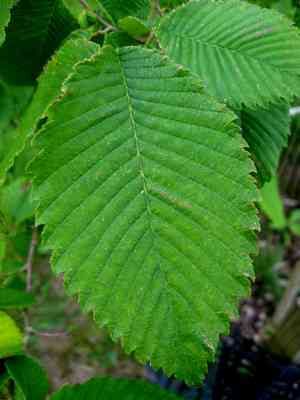
Rock elm (Ulmus thomasii)
Also known as: Rock Elm, Cork Elm
The rock elm, scientifically known as Ulmus thomasii, is a deciduous tree recognized for its durable hardwood. Historically, its wood was exported to England for constructing battleships. This tree features a single central trunk and serrated leaves, and its wood is highly prized.
In This Article
Attributes of Rock elm
Lifespan
Perennial
Plant Type
Tree
Plant Height
15 m to 30 m
Spread
8 m to 12 m
Leaf Color
Green Yellow
Flower Size
Small, not significant
Flower Color
Green
Images of Rock elm


Quickly Identify Rock elm
1
Look for the characteristic corky ridges on the branches and the rough, serrated leaves. The tree also has a distinctive tall, straight trunk.
Scientific Classification of Rock elm
Phylum
Vascular plants
Class
Dicotyledons
Order
Rosales
Family
Elm
Genus
Elms
Species
Rock elm
Planting and Growing of Rock elm
Care Difficulty
Moderate
Watering Schedule
Every day
Sunlight Requirements
Full sun
Sunshine Duration
4-8 hours
Ideal Temperature
60-75℉
Soil Type
Potting Mix, Peat Mix
Soil pH
6.5-7.5
Fertilizer Type
Balanced
Pruning Season
Spring, Summer
Pruning Area
Branches, Leaves
Pruning Frequency
2 times a year
Repotting Season
Spring
Pot Type
Plastic, Ceramic
 How to Water Rock elm?
When watering Ulmus thomasii, it's crucial to provide about 1500 ml of water per session. This species thrives with deep, infrequent watering, allowing the soil to dry slightly between waterings. This method encourages deep root growth by ensuring the water reaches the lower sections of the soil profile.
What are the symptoms of an underwatered Rock elm?
›
What should I do if my Rock elm is not getting enough water?
›
What are the symptoms of an overwatered Rock elm?
›
How to save an overwatered Rock elm?
›
 What Is the Ideal Temperature Range for Rock elm?
The ideal temperature range for Ulmus thomasii, commonly known as Rock Elm, is between 60°F and 75°F. Within this temperature range, the tree can achieve optimal growth, ensuring proper development of foliage and healthy root system formation. These temperatures mimic its native habitat conditions, providing the necessary warmth for energy production during photosynthesis.
 What Soil is Best for Rock elm?
Ulmus thomasii thrives in well-drained soil as it prevents root rot and allows essential oxygen to reach the roots. Proper drainage helps maintain ideal moisture levels, promoting vigorous growth. This tree prefers nutrient-rich soil, which supports its rapid growth and robust health. Abundant nutrients ensure that the tree has sufficient care for the development of its extensive root system. Soil with moderate moisture retention ensures that Ulmus thomasii roots won't dry out during dry spells yet won't become waterlogged either. This balance is crucial for maintaining the tree's vigorous health.
 How to Fertilize Rock elm?
When fertilizing Ulmus thomasii, aim for approximately 1 pound of a balanced 10-10-10 fertilizer for every inch of trunk diameter. This amount ensures the tree gets the essential nutrients without overwhelming its root systems.
 How to Prune Rock elm?
Over-pruning can lead to weak growth and vulnerability to diseases. Never remove more than a third of the tree’s canopy at once to ensure the tree remains healthy and robust. Ulmus thomasii is susceptible to Dutch elm disease. Regularly inspect for signs of disease and act quickly if you notice symptoms, such as wilting or yellowing leaves, to prevent spread.
More About Pruning Techniques→
 How to Propagate Rock elm plant?
1
Collect seeds from mature Ulmus thomasii trees in the later seasons. Before planting, soak the seeds in water overnight to soften seed coats and enhance germination.
2
Select a well-draining soil mix, preferably a combination of sand, peat, and perlite. This blend ensures adequate moisture retention without waterlogging, which is crucial for root development.
3
Select healthy rootstock and scion wood. Using the appropriate grafting technique, such as a whip or cleft graft, join the two sections ensuring the cambium layers align for successful growth.
 How to Repot Rock elm plant?
1
For Ulmus thomasii, the prime time to consider repotting is when you notice roots vigorously emerging from the drainage holes or when the growth rate significantly slows down. These are clear signals that the roots need more space to encourage healthy development.
2
Select a pot that is slightly larger than the current one, ensuring it provides adequate drainage holes. This choice ensures that the roots do not become waterlogged, preventing conditions such as root rot, while fostering a more vigorous growth environment.
3
Opt for a well-draining fertile loam that can retain moisture without becoming waterlogged. This type of soil offers essential nutrients and supports root health by providing necessary air circulation, which is crucial for the plant's robust growth.



