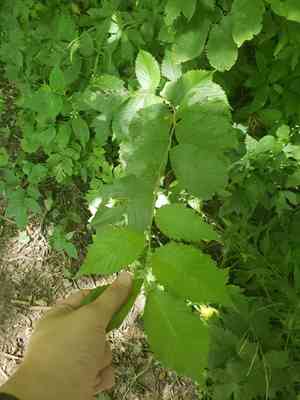
Slippery elm (Ulmus rubra)
Also known as: Sweet elm, Grey elm, Indian elm
The slippery elm tree, native to North America, thrives in various soil conditions across the United States and Canada. Its inner bark, which turns slippery when wet, is the source of its name. While not commonly utilized in woodworking, its fibrous wood can be crafted into strong twine or rope. However, the species is vulnerable to the elm leaf beetle.
In This Article
Attributes of Slippery elm
Lifespan
Perennial
Plant Type
Tree
Plant Height
12 m to 18 m
Spread
9 m to 18 m
Leaf Color
Green
Flower Size
2.5 cm
Flower Color
Green Red
Images of Slippery elm
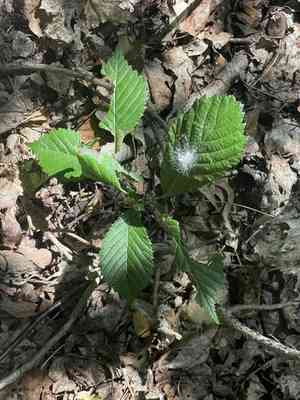
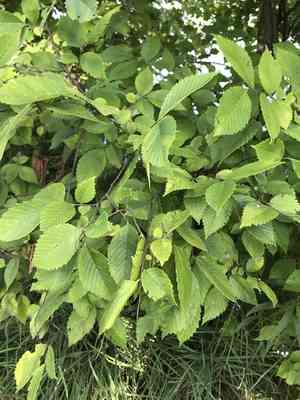
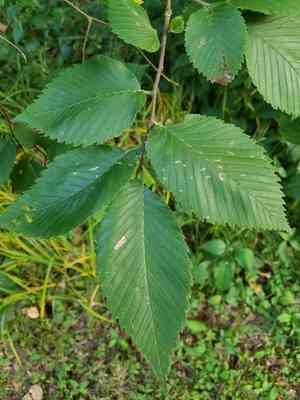
Quickly Identify Slippery elm
1
Reddish-green clustered flowers in early spring, 1 inch (2.5 cm) in size.
2
Broad, rounded leaves with whitish-green undersides and yellow fall color.
3
Dry, winged samara fruit, 0.5 to 1 inch (1.27 to 2.54 cm) diameter for wind dispersal.
4
Ascending to spreading branching stem pattern with black buds, 0.5 to 1 inch (1.3 to 2.5 cm) diameter.
5
Textured gray bark with reddish-brown inner bark, distinctive sliminess when cut.
Scientific Classification of Slippery elm
Phylum
Vascular plants
Class
Dicotyledons
Order
Rosales
Family
Elm
Genus
Elms
Species
Slippery elm
Planting and Growing of Slippery elm
Care Difficulty
Easy
Watering Schedule
Every 3 days
Sunlight Requirements
Partial sun
Sunshine Duration
6-8 hours
Ideal Temperature
60-75℉
Soil Type
Potting Mix, Peat Mix
Soil pH
6.5-7.5
Fertilizer Type
Balanced
Pruning Season
Spring, Summer
Pruning Area
Branches, Leaves
Pruning Frequency
2 times a year
Repotting Season
Spring
Pot Type
Plastic, Ceramic
 How to Water Slippery elm?
For Ulmus rubra, it's crucial to ensure the soil is consistently moist but not waterlogged. Aim to water enough to moisten the soil to a depth of about three inches, which usually equates to around 500 milliliters per watering session. Avoid allowing the water to pool excessively, as this can lead to root rot.
What are the symptoms of an underwatered Slippery elm?
›
What should I do if my Slippery elm is not getting enough water?
›
What are the symptoms of an overwatered Slippery elm?
›
How to save an overwatered Slippery elm?
›
 What Are the Sunlight Requirements for Slippery elm?
Ulmus rubra ideally grows with 3 to 6 hours of sunlight, favoring partial sun conditions. Adequate light supports photosynthesis, growth, and vigor, maintaining the plant’s natural beauty and structural integrity.
More About Sunlight Requirements Techniques→
What is the best lighting condition for Ulmus rubra?
›
How can I achieve ideal lighting for Ulmus rubra?
›
What benefits does ideal lighting provide Ulmus rubra?
›
 What Is the Ideal Temperature Range for Slippery elm?
The ideal temperature range for growing Ulmus rubra is between 60°F to 75°F. This range ensures optimal growth, as these temperatures allow for the best photosynthetic activity and metabolic processes. At this range, the plant can effectively manage its water and nutrient uptake without stress. Providing consistent temperatures within this range can lead to a healthier and more robust plant growth.
 What Soil is Best for Slippery elm?
Why do Ulmus rubra trees need well-draining soil? These trees prefer well-drained soils because it prevents waterlogging, which can lead to root rot. A well-draining soil ensures that the roots receive adequate oxygen, promoting healthier growth. How does moisture retention benefit Ulmus rubra? These trees benefit from soils that retain moderate moisture, ensuring consistent water supply during dry spells. Moisture retention helps maintain the tree’s turgidity and overall vigor, especially in hotter climates. Why is a nutrient-rich soil important for Ulmus rubra? Nutrient-rich soils provide essential minerals required for photosynthesis and growth. High organic matter content boosts microbial activity, enhancing nutrient availability for Ulmus rubra.
More About Soil→
 How to Fertilize Slippery elm?
For Ulmus rubra, it's important to use a balanced 10-10-10 NPK fertilizer. For liquid fertilizers, mix it to have a nitrogen content of around 1 pound per 100 square feet. With slow-release granules, use approximately half this rate. Adjust based on plant response.
More About Fertilizing Techniques→
 How to Prune Slippery elm?
Start by cutting away any diseased or dying branches. Make clean cuts close to the main branch or trunk, being careful not to leave stubs, which can become entry points for pests. Thin out crowded areas within the canopy to allow better air circulation and light penetration. This practice can significantly reduce the risk of fungal issues and encourage robust growth. Gently shape the canopy to maintain a balanced structure, which helps the tree withstand wind and heavy precipitation. Avoid over-pruning as a sparse canopy can be harmful. To prevent disease spread, promptly dispose of all pruned material, especially if any branches were infected. This is crucial in maintaining a healthy environment for the plant.
More About Pruning Techniques→
 How to Propagate Slippery elm plant?
1
For seeds, gather them when they are ripe. For cuttings, select healthy branches, preferably in early morning, and ensure each cutting has at least two nodes.
2
Soak seeds overnight to enhance germination, and remove leaves from the lower half of the cuttings to prevent rotting.
3
Plant seeds or insert cuttings into the potting mix, ensuring that cuttings are inserted at least an inch deep, and cover to maintain humidity.
 How to Repot Slippery elm plant?
1
Re-potting Ulmus rubra should be considered when roots start appearing through the drainage holes, indicating that they have outgrown their current container. Additionally, if the growth rate seems stunted or the soil isn't retaining moisture as effectively, these are signals that re-potting might be necessary. These signs usually appear every couple of years, depending on the growth conditions.
2
Select a pot that is slightly larger than the current one, roughly 1-2 inches more in diameter. A pot with good drainage capabilities will help prevent root rot and ensure healthy growth. Using a pot that is too large can lead to waterlogging, while one that is too small will restrict root expansion, so balance is key.
3
Opt for a well-draining potting mix to ensure sufficient aeration and drainage for Ulmus rubra. This type of soil aids in preventing waterlogging and root rot, offering a balanced mix of essential nutrients while allowing excess water to flow out easily. A combination of peat, perlite, and pine bark is often suitable.



