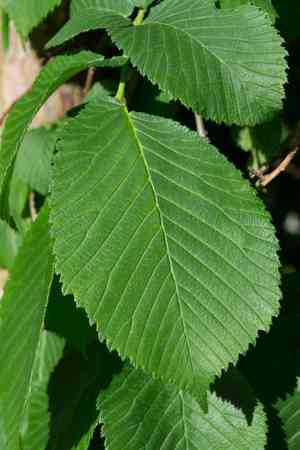
European white elm (Ulmus laevis)
Also known as: Spreading-branched elm, Spreading elm
European white elm is a host plant for the white-letter hairstreak butterfly, so it is highly valued and sought-after by butterfly conservationists. It is frequently planted as an amenity tree in towns and beside roads because of its air pollution and de-icing salts tolerance. European white elm resists Dutch elm disease, unlike the other two native species of elm, most likely because it's not a common target of the elm bark beetle.
In This Article
Attributes of European white elm
Lifespan
Perennial
Plant Type
Tree
Plant Height
30 m
Spread
30 m
Leaf Color
Green, turning yellow in autumn
Flower Size
3 mm to 4 mm
Flower Color
Red White
Images of European white elm
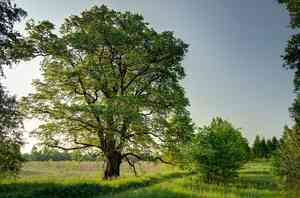
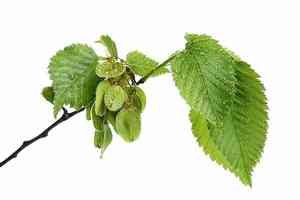
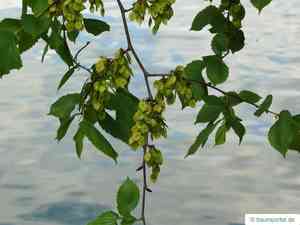
Quickly Identify European white elm
1
Ulmus laevis can be identified by its sessile, obovate leaves with an asymmetric base and a doubly serrated margin. The bark is greyish and smooth on young trees, becoming fissured with age. The tree produces small, inconspicuous flowers that appear before the leaves.
Scientific Classification of European white elm
Phylum
Vascular plants
Class
Dicotyledons
Order
Rosales
Family
Elm
Genus
Elms
Species
European white elm
Planting and Growing of European white elm
Care Difficulty
Easy
Watering Schedule
Every 3 days
Sunlight Requirements
Partial sun
Sunshine Duration
4-6 hours
Ideal Temperature
59-77℉
Soil Type
Potting Mix, Peat Mix
Soil pH
6.5-7.5
Fertilizer Type
Balanced
Pruning Season
Spring, Summer
Pruning Area
Branches, Leaves
Pruning Frequency
2 times a year
Repotting Season
Spring
Pot Type
Plastic, Ceramic
 How to Water European white elm?
For Ulmus laevis, ensure that each watering session delivers approximately 500 milliliters of water per session. This amount ensures consistent soil moisture without oversaturation. It's crucial to check that the soil is properly draining to prevent any water logging at the roots, which could lead to rot.
What are the symptoms of an underwatered European white elm?
›
What should I do if my European white elm is not getting enough water?
›
What are the symptoms of an overwatered European white elm?
›
How to save an overwatered European white elm?
›
 What Are the Sunlight Requirements for European white elm?
The ideal light range for Ulmus laevis is partial sunlight. This ensures optimal growth, vibrant leaf color, and a robust structure, increasing its resilience in various environments.
More About Sunlight Requirements Techniques→
How much sun does Ulmus laevis need?
›
Solutions for achieving ideal lighting
›
Benefits of ideal lighting conditions
›
 What Is the Ideal Temperature Range for European white elm?
Ulmus laevis thrives best when grown in temperate climates, ideally between 59°F and 77°F. This temperature range allows the tree to have optimal metabolic and photosynthetic activity, promoting healthy growth and resilience against pests and diseases. In these conditions, the tree can fully express its potential in leaf development and canopy formation.
 What Soil is Best for European white elm?
Ulmus laevis thrives in nutrient-rich soil, as it provides essential minerals that are crucial for its growth. The richness in organic matter leads to healthier foliage and contributes to robust structural development, ensuring the tree reaches its full potential. Well-drained soil is a must for Ulmus laevis. Excess water can lead to root rot, severely damaging the tree's health. Proper drainage ensures roots are neither waterlogged nor dry, maintaining an optimal balance for flourishing growth. Soil that can retain moisture without becoming waterlogged provides a stable environment for Ulmus laevis. Consistent moisture levels support continuous nutrient uptake, making sure the tree remains lush even during dry periods.
 How to Fertilize European white elm?
The Ulmus laevis requires fertilization that provides balanced macro and micronutrients. A quarter cup of 10-10-10 NPK liquid fertilizer mixed per gallon of water is optimal for its growth, applied evenly across the root surface.
 How to Prune European white elm?
Begin by identifying branches that are dead, diseased, or crossed. Often these branches can impede growth and should be the first focus of pruning to foster a healthier tree structure. The best time to prune is when the tree is dormant, typically in late winter or early spring. This ensures that the wounds created by pruning have time to heal before the tree enters its peak growing season. Ensure you have sharp, clean slicing tools, such as secateurs for small branches and pruning saws for larger limbs. Clean cuts facilitate better healing and reduce the chance of infection.
More About Pruning Techniques→
 How to Propagate European white elm plant?
1
Start by filling a seed tray with a mix of compost and soil. Sow the seeds evenly on the surface and cover them lightly with a thin layer of soil. Water gently and place the tray in a sunny, warm spot.
2
Select healthy branches from the parent tree and use pruning shears to cut 10-15cm sections. Trim leaves from the bottom half, and dip the cut end in rooting hormone before planting in a soil mix.
3
Use a sharp knife to make a clean cut on the rootstock and scion. Fit them together and secure with grafting tape. Keep the graft joint moist and monitor until they have fused correctly.
 How to Repot European white elm plant?
1
Ulmus laevis should be repotted when its roots begin to circle the pot or grow through drainage holes. This indicates restricted root growth. Additionally, reduced growth or water retention issues also signal repotting time. Perform repotting in spring or autumn for optimal acclimatization.
2
Select a pot that is 1 to 2 inches larger in diameter than the current one, ensuring it has good drainage holes. A larger pot allows for root expansion and prevents waterlogging, which supports healthy plant growth and prevents root rot.
3
Opt for a loamy, well-draining soil mix that retains some moisture but allows excess water to escape. This type of soil balances moisture retention and drainage, providing an ideal growing environment that mimics natural conditions for Ulmus laevis.



