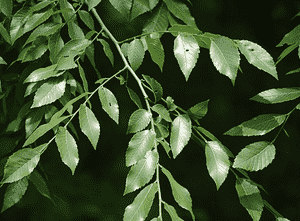
Winged elm (Ulmus alata)
Also known as: Cork elm
The Winged Elm, scientifically known as Ulmus alata, is a tree species indigenous to the southern United States. It is also referred to as the wahoo. This tree is known for its slow growth and notable resistance to herbicides.
In This Article
Attributes of Winged elm
Lifespan
Perennial
Plant Type
Tree
Plant Height
10 m to 18 m
Spread
9 m to 12 m
Leaf Color
Green
Flower Size
6 mm
Flower Color
Green Red
Images of Winged elm
Quickly Identify Winged elm
1
Distinctive corky ridges along branches.
2
Small, inconspicuous brownish-green flowers without petals.
3
Fruit with light-colored fuzz and two long, curving bristles.
4
Rough-textured, dark green leaves with doubly toothed margins.
5
Rough-textured stem with wide corky ridges and flattened appearance.
Scientific Classification of Winged elm
Phylum
Vascular plants
Class
Dicotyledons
Order
Rosales
Family
Elm
Genus
Elms
Species
Winged elm
Planting and Growing of Winged elm
Care Difficulty
Moderate
Watering Schedule
Every 2 days
Sunlight Requirements
Full sun
Sunshine Duration
6-10 hours
Ideal Temperature
60-75℉
Soil Type
Potting Mix, Peat Mix
Soil pH
6.5-7.5
Fertilizer Type
Balanced
Pruning Season
Spring, Summer
Pruning Area
Branches, Leaves
Pruning Frequency
2 times a year
Repotting Season
Spring
Pot Type
Plastic, Ceramic
 How to Water Winged elm?
Ulmus alata, commonly known as the Winged Elm, thrives best when its soil is kept consistently moist but not waterlogged. Aim to water so that the top 2 to 3 inches of soil are moist. This typically translates to about 1000 milliliters per watering session, depending on soil conditions and climate.
More About Watering Techniques→
What are the symptoms of an underwatered Winged elm?
›
What should I do if my Winged elm is not getting enough water?
›
What are the symptoms of an overwatered Winged elm?
›
How to save an overwatered Winged elm?
›
 What Are the Sunlight Requirements for Winged elm?
Ulmus alata requires full to partial sun. Ideal light promotes vibrant foliage, increased growth rate, and overall healthier plant structure, aligning with its natural habitat conditions.
More About Sunlight Requirements Techniques→
Ideal Sun Exposure
›
Solution for Achieving Ideal Light
›
Benefits of Ideal Lighting
›
 What Is the Ideal Temperature Range for Winged elm?
The ideal temperature range for Ulmus alata, also known as Winged Elm, is between 60°F and 75°F. Within this range, the plant exhibits optimal growth and health, receiving sufficient warmth that encourages proper physiological processes. This condition helps in maintaining vibrant foliage and robust root systems, vital for enduring varying environmental factors.
 What Soil is Best for Winged elm?
Ulmus alata thrives in well-drained soil, which prevents root rot and encourages robust root development. This condition allows for proper aeration and nutrient absorption, crucial for the elm's health and growth. Maintaining a soil pH between 6.5 and 7.5 helps Ulmus alata by ensuring essential nutrients are readily available. This pH range optimizes enzymatic and microbial activity in the soil, supporting the elm's overall vitality. Incorporating moderate organic matter in the soil improves its texture, enhances moisture retention, and supplies essential nutrients. This enriches the soil environment for Ulmus alata, promoting sustainable growth.
More About Soil→
 How to Fertilize Winged elm?
For Ulmus alata, it is crucial to ensure that the applied fertilizer does not exceed its needs. A mature tree might require approximately 0.5 to 1 pound of nitrogen per 100 square feet of rooting area. The key is to balance nutrient requirements without causing excess, which could harm root development or lead to nutrient leaching.
More About Fertilizing Techniques→
 How to Prune Winged elm?
Begin by removing larger, damaged branches. Make clean cuts just outside the branch collar to foster faster healing. This opens up the canopy, increasing light and air circulation. After major branches, thin out congested areas. Aim to maintain a balanced and open structure to prevent issues related to weight and wind resistance, which could lead to breakage.
More About Pruning Techniques→
 How to Propagate Winged elm plant?
1
Gather seeds from mature Ulmus alata specimens when they are ripe in early spring. Dry the seeds for a few days before sowing. This ensures that the seeds are viable and reduces susceptibility to mold.
2
Select healthy and semi-hardwood branches for cuttings in spring. Use a sterile knife to cut below a node, remove lower leaves, and dip in rooting hormone before planting it in well-draining soil.
3
In late spring, choose compatible rootstock and scions to begin grafting. Clean the grafting area, make precise cuts, and secure firmly together to facilitate successful bonding and growth.
 How to Repot Winged elm plant?
1
Ulmus alata, or the Winged Elm, signals the need for repotting when its roots begin growing out of the drainage holes, or when the growth appears stunted. Ideally, repotting should be done in spring or summer when the plant is actively growing, as this helps the plant recover more quickly from the stress of repotting.
2
Choose a pot that is 1-2 inches larger in diameter than the current one. A slightly larger pot will provide enough room for growth without overwhelming the root system. It's crucial to ensure the pot has adequate drainage holes to prevent waterlogged soil, which can lead to root rot.
3
Opt for a well-draining soil mix, as Ulmus alata prefers conditions where it can thrive without excess moisture. A mix containing perlite, peat, and bark will ensure good aeration and drainage, preventing root rot and providing the necessary nutrients for healthy growth.



